


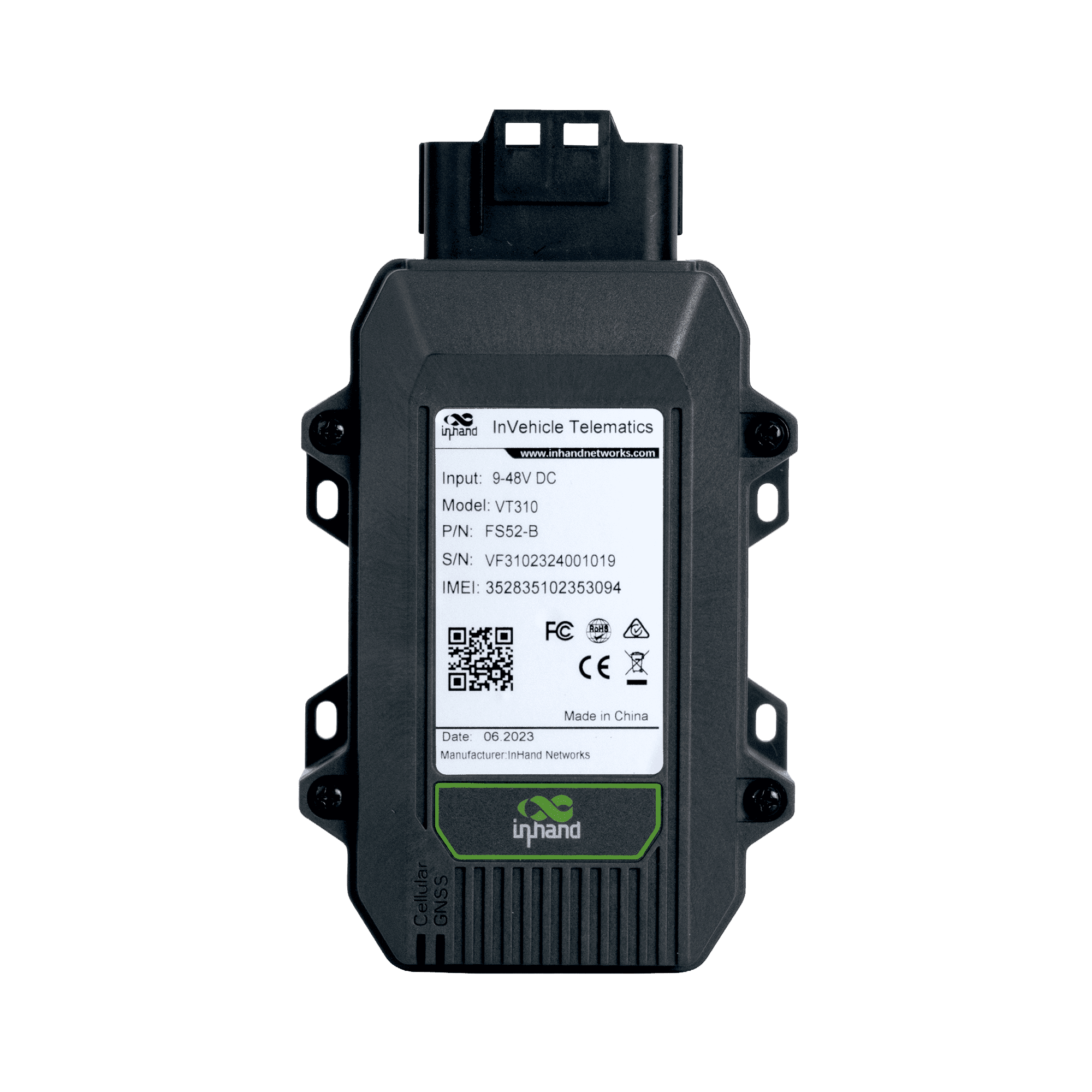
VT310
Fahrzeugtelematik-Gateway
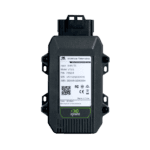
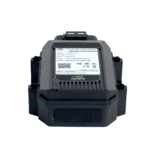
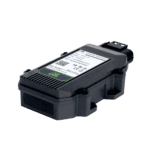
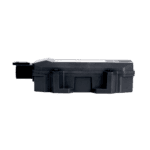
Robustes Telematik-Gateway mit umfangreichen Schnittstellen und Diagnoseprotokollen, das zuverlässige Fahrzeugdaten auch unter extremen Bedingungen liefert und sich durch eine kosteneffektive Bereitstellung für Flottenmanager auszeichnet.
VT310
Fahrzeugtelematik-Gateway
Robustes Telematik-Gateway mit umfangreichen Schnittstellen und Diagnoseprotokollen, das zuverlässige Fahrzeugdaten auch unter extremen Bedingungen liefert und sich durch eine kosteneffektive Bereitstellung für Flottenmanager auszeichnet.
QSG-VIDEO
Jederzeit und überall: Erfassen Sie Ihr Fahrzeug intelligent

Globale Mobilfunkverbindungen
Unterstützt mehrere LTE-Standards für energiesparende und zuverlässige Kommunikation weltweit und gewährleistet so, dass Ihre Flotte auch in abgelegenen Gebieten verbunden bleibt.

Erweiterte Fahrzeugdiagnose
Integriert OBD-II-, J1939- und J1708-Protokolle zur Erfassung von Echtzeit-Motordaten, Kilometerstand und Kraftstoffstand für eine vorausschauende Flottenwartung.

IP66 Robust für raue Umgebungen
Der VT310 wurde so konstruiert, dass er dem Eintauchen in Wasser und extremen Temperaturen (-40 °C bis 85 °C) standhält und ist daher ideal für schwere Maschinen und den Einsatz im Freien.

Hochpräzise Nachführung
Kombiniert hochpräzises GNSS mit einem eingebauten Gyroskop, um eine kontinuierliche Positionsverfolgung auch in Tunneln oder Gebieten mit schwachen Signalen zu gewährleisten.

Überwachung des Fahrverhaltens
Der eingebaute Beschleunigungsmesser überwacht Kollisionen und gefährliches Fahrverhalten wie starkes Bremsen oder Beschleunigen und trägt so zur Verbesserung der Fahrsicherheitsbewertung bei.

Intelligente Stromversorgung und Akku-Backup
Verfügt über einen internen 1200-mAh-Akku und intelligente Schlafmodi zum Schutz der Fahrzeugbatterien und zur Gewährleistung der Datenübertragung bei Stromausfall.
-
Technische Kernspezifikationen
Cache und Ausdauer Unterstützt das Caching von über 30.000 Musiktiteln mit integriertem 1200-mAh-Akku.Mobilfunknetz LTE CAT-M / Cat.1 / Cat.4Cloud-Plattform-Integration Unterstützt AWS IoT, Azure IoT, Aliyun IoT, Wialon, Traccar und weitere Plattformen.Geräteabmessungen 141.14 × 82 × 35 mm (5.56 × 3.23 × 1.38 in)Ereignisse und Alarme Unterstützt Kollisions-, Bewegungs-, Übergeschwindigkeits-, E/A-Änderungs-, Zündungserkennung und andere Alarme.Schutzart IP66Schnittstellenfähigkeit Dual CAN, RS-232, RS-485, DI/DO, 1-Wire, and analog inputBetriebstemperatur -40 °C ~ 85 °C (-40 °F ~ 185 °F) (external power); -20 °C ~ 60 °C (-4 °F ~ 140 °F) (battery)Positionierungsfähigkeit GNSS-Mehrkonstellationspositionierung mit Trägheitsnavigation (DR)Leistungsaufnahmebereich 9–48 V GleichstromTransportprotokolle TCP / UDP / HTTP / MQTTFahrzeugdiagnose Unterstützt OBD-II / J1939 / J1708
-
Netzwerk & Computing
Batterie 1200 mAhCPU / Hauptplattform Robustes Multitasking-SystemNetzwerktyp LTE CAT-M / Cat.1 / Cat.4Schutzklasse IP66
-
Satellitennavigation und Trägheitsnavigation
Anzahl der Kanäle 31 KanäleGNSS-Empfänger GPS/GNSS/A-GNSS (Mehrsystem)Trägheitsnavigation Unterstützt kontinuierliche, präzise VerfolgungAnfangsempfindlichkeit bei der Positionierung -162 dBm (Anfangspositionierungszeit 32 s)Standortgenauigkeit 2,5 m (CEP50)Tracking-Empfindlichkeit -156 dBm (Warmstart); -148 dBm (Kaltstart)Aktualisierungsfrequenz Standardwert 1 Hz, maximal 10 Hz
-
Sensoren
Beschleunigungsmesserbereich ±2 / ±4 / ±8 / ±16 gGyroskopbereich ±125 / ±250 / ±500 / ±1000 / ±2000 dps
-
Fahrzeugschnittstellen
1-Draht 1 Kanal (bis zu 4 Sensoren)Analoger Eingang 1 Kanal + 1 Kanal (gemäß Spezifikation)CAN-Bus 2 KanäleDigitaler Eingang 4 KanäleDigitalausgang 3 Kanäle (max. 300 mA)Zündsignal 1 KanalLED-Anzeigen Zellstatus, GNSS-StatusOBD & Diagnose J1708 / J1939 UnterstützungRS-485 RS-485 (1 channel)Serielle Schnittstelle RS-232 (1 channel)SIM-Kartensteckplatz 2FF, Einschubfach
-
Leistung
Batterieabschaltspannung 4,2 VBatterie-Nennspannung 3,7 VLade-/Entladetemperatur Charging: 0 °C ~ 45 °C (32 °F ~ 113 °F); Discharging: -20 °C ~ 60 °C (-4 °F ~ 140 °F)Stromverbrauch 0,45 W / 0,55 W / 0,77 W (szenarioabhängig)Betriebsspannung 9–48 V Gleichstrom
-
Mechanik & Umwelt
Abmessungen Approximately 141 × 82 × 35 mm (5.55 × 3.23 × 1.38 in)ESD IEC 61000-4-2 (4 kV-Test)Luftfeuchtigkeit 95% RH @ 50 ℃ (nicht kondensierend)Betriebstemperatur -40 ~ 85 ℃ (connected to main power); -20 °C ~ 60 °C (-4 °F ~ 140 °F) (battery)Gehäusematerial PC + ABS (technischer Kunststoff + Legierung)
-
Zertifizierungen
Einhaltung CE, FCC, IC, PTCRB, E-Mark / E-Mark (gemäß Quellenangabe)
-
Cloud-Plattformen
Unterstützte Plattformen AWS IoT, Azure IoT, Aliyun IoT, Wialon, Traccar, GPSWox, WhiteLabel-Tracking, ThingsBoard, Kundenplattform
-
Netzwerkfunktionen
Netzwerkdiagnose (wie aufgeführt) Konnektivität / Ping / Traceroute / TCP-Dump / Geschwindigkeitstest (sofern unterstützt)Protokolle TCP / UDP / HTTP / MQTT
-
Fahrzeugdaten & Transparente Übertragung
Transparente Übertragung RS-232/RS-485 transparent + Modbus protocol data acquisitionFahrzeugdaten OBD-II, J1939, J1708
-
Ereignisalarm & Berichterstattung
BLE-Weiterleitung Weiterleitung von Fahrzeugdaten über BLEELD UnterstütztEreignisalarm Kollisionserkennung, Bewegungserkennung, Geschwindigkeitsüberschreitung, I/O-Änderung, ZündsignalerkennungBerichterstattung Unterstützung für SMS oder FlexAPI über TCP/UDP/MQTT
-
Konfiguration & Diagnose
Konfigurationstool RS-232 or Bluetooth
Standardpaket*
- VT310 Telematik-Gateway *1
- 26-poliges All-in-One-Testkabel*1
Der Inhalt der Standardverpackung* variiert je nach Standardbestellcode.
Optionales Zubehör
- OBD-II 7-PIN All-in-One-Kabel
- OBD-II 26-PIN All-in-One-Kabel
- J1939 6PIN With 20 PIN Cable
- J1939 and J1708 9PIN With 17 PIN Cable
Kontaktieren Sie uns Um mehr über unsere Verpackungsoptionen zu erfahren, wenden Sie sich bitte direkt an uns.
Spezifikationen
-
Technische Kernspezifikationen
Cache und Ausdauer Unterstützt das Caching von über 30.000 Musiktiteln mit integriertem 1200-mAh-Akku.Mobilfunknetz LTE CAT-M / Cat.1 / Cat.4Cloud-Plattform-Integration Unterstützt AWS IoT, Azure IoT, Aliyun IoT, Wialon, Traccar und weitere Plattformen.Geräteabmessungen 141.14 × 82 × 35 mm (5.56 × 3.23 × 1.38 in)Ereignisse und Alarme Unterstützt Kollisions-, Bewegungs-, Übergeschwindigkeits-, E/A-Änderungs-, Zündungserkennung und andere Alarme.Schutzart IP66Schnittstellenfähigkeit Dual CAN, RS-232, RS-485, DI/DO, 1-Wire, and analog inputBetriebstemperatur -40 °C ~ 85 °C (-40 °F ~ 185 °F) (external power); -20 °C ~ 60 °C (-4 °F ~ 140 °F) (battery)Positionierungsfähigkeit GNSS-Mehrkonstellationspositionierung mit Trägheitsnavigation (DR)Leistungsaufnahmebereich 9–48 V GleichstromTransportprotokolle TCP / UDP / HTTP / MQTTFahrzeugdiagnose Unterstützt OBD-II / J1939 / J1708
-
Netzwerk & Computing
Batterie 1200 mAhCPU / Hauptplattform Robustes Multitasking-SystemNetzwerktyp LTE CAT-M / Cat.1 / Cat.4Schutzklasse IP66
-
Satellitennavigation und Trägheitsnavigation
Anzahl der Kanäle 31 KanäleGNSS-Empfänger GPS/GNSS/A-GNSS (Mehrsystem)Trägheitsnavigation Unterstützt kontinuierliche, präzise VerfolgungAnfangsempfindlichkeit bei der Positionierung -162 dBm (Anfangspositionierungszeit 32 s)Standortgenauigkeit 2,5 m (CEP50)Tracking-Empfindlichkeit -156 dBm (Warmstart); -148 dBm (Kaltstart)Aktualisierungsfrequenz Standardwert 1 Hz, maximal 10 Hz
-
Sensoren
Beschleunigungsmesserbereich ±2 / ±4 / ±8 / ±16 gGyroskopbereich ±125 / ±250 / ±500 / ±1000 / ±2000 dps
-
Fahrzeugschnittstellen
1-Draht 1 Kanal (bis zu 4 Sensoren)Analoger Eingang 1 Kanal + 1 Kanal (gemäß Spezifikation)CAN-Bus 2 KanäleDigitaler Eingang 4 KanäleDigitalausgang 3 Kanäle (max. 300 mA)Zündsignal 1 KanalLED-Anzeigen Zellstatus, GNSS-StatusOBD & Diagnose J1708 / J1939 UnterstützungRS-485 RS-485 (1 channel)Serielle Schnittstelle RS-232 (1 channel)SIM-Kartensteckplatz 2FF, Einschubfach
-
Leistung
Batterieabschaltspannung 4,2 VBatterie-Nennspannung 3,7 VLade-/Entladetemperatur Charging: 0 °C ~ 45 °C (32 °F ~ 113 °F); Discharging: -20 °C ~ 60 °C (-4 °F ~ 140 °F)Stromverbrauch 0,45 W / 0,55 W / 0,77 W (szenarioabhängig)Betriebsspannung 9–48 V Gleichstrom
-
Mechanik & Umwelt
Abmessungen Approximately 141 × 82 × 35 mm (5.55 × 3.23 × 1.38 in)ESD IEC 61000-4-2 (4 kV-Test)Luftfeuchtigkeit 95% RH @ 50 ℃ (nicht kondensierend)Betriebstemperatur -40 ~ 85 ℃ (connected to main power); -20 °C ~ 60 °C (-4 °F ~ 140 °F) (battery)Gehäusematerial PC + ABS (technischer Kunststoff + Legierung)
-
Zertifizierungen
Einhaltung CE, FCC, IC, PTCRB, E-Mark / E-Mark (gemäß Quellenangabe)
-
Cloud-Plattformen
Unterstützte Plattformen AWS IoT, Azure IoT, Aliyun IoT, Wialon, Traccar, GPSWox, WhiteLabel-Tracking, ThingsBoard, Kundenplattform
-
Netzwerkfunktionen
Netzwerkdiagnose (wie aufgeführt) Konnektivität / Ping / Traceroute / TCP-Dump / Geschwindigkeitstest (sofern unterstützt)Protokolle TCP / UDP / HTTP / MQTT
-
Fahrzeugdaten & Transparente Übertragung
Transparente Übertragung RS-232/RS-485 transparent + Modbus protocol data acquisitionFahrzeugdaten OBD-II, J1939, J1708
-
Ereignisalarm & Berichterstattung
BLE-Weiterleitung Weiterleitung von Fahrzeugdaten über BLEELD UnterstütztEreignisalarm Kollisionserkennung, Bewegungserkennung, Geschwindigkeitsüberschreitung, I/O-Änderung, ZündsignalerkennungBerichterstattung Unterstützung für SMS oder FlexAPI über TCP/UDP/MQTT
-
Konfiguration & Diagnose
Konfigurationstool RS-232 or Bluetooth
Downloads
Bestellung
Standardpaket*
- VT310 Telematik-Gateway *1
- 26-poliges All-in-One-Testkabel*1
- Der Inhalt der Standardverpackung* variiert je nach Standardbestellcode.
Optionales Zubehör
- OBD-II 7-PIN All-in-One-Kabel
- OBD-II 26-PIN All-in-One-Kabel
- J1939 6PIN With 20 PIN Cable
- J1939 and J1708 9PIN With 17 PIN Cable
Kontaktieren Sie uns Um mehr über unsere Verpackungsoptionen zu erfahren, wenden Sie sich bitte direkt an uns.
Ähnliche Fälle

Telematik für schwere Baumaschinen
Telematik-Anwendungen und Fallstudien für Baumaschinen – Wichtigste Erkenntnisse Baumaschinen: Der VT310…
Mehr erfahren →
Smart Apron Fahrzeugtelematiklösung
Smart Apron Fahrzeugtelematik-Lösung: Anwendungsbeispiele und Schlüsselerkenntnisse…
Mehr erfahren →
Telematik für die Kühlkettenlogistik
Telematik für die Kühlkettenlogistik – Anwendungen und Fallstudien: Wichtigste Erkenntnisse…
Mehr erfahren →Häufig gestellte Fragen
Was bietet der VT310?
Das VT310 ist ein robustes Telematik-Gateway für Fahrzeuge, das für Flottenmanagement, Anlagenverwaltung, Generatorüberwachung und den Einsatz von Baumaschinen geeignet ist. Highlights:
| — | — |
| Mobilfunk | LTE Cat-M / Cat 1 / Cat 4 (modellabhängig); integrierte FPC-Antenne |
| GNSS | GPS / GNSS / A-GNSS, 31 Kanäle, 2,5 m CEP50Aktualisierungsrate 1–10 Hz; eingebaute Keramikantenne |
| Trägheitssensor | 6-Achsen-Sensor (Beschleunigungsmesser ± bis zu 16 g, Gyroskop ± bis zu 2000 dps) zur Erkennung des Fahrverhaltens und zur Koppelnavigation |
| Fahrzeugschnittstellen (26-polig) | 2x Dose (OBD-II / J1939 / J1708 unterstützt), 1× RS232, 1× J1708/RS485, 1× IGT, 4× DI, 3× DO (Open-Drain, je 300 mA), 1× AI (0,5–48 V), 1× 1-Wire (bis zu 4 Sensoren) |
| Notstrombatterie | 1200 mAh Li-Ionen-Akku — hält das Gerät auch bei ausgeschalteter Fahrzeugstromversorgung online. |
| Offline-Cache | Mehr als 30.000 Standortdatensätze Lokal gespeichert; wird automatisch hochgeladen, sobald die Verbindung wiederhergestellt ist. |
| Bluetooth | BLE 4.1 – unterstützt die Weiterleitung von Fahrzeugdaten an ELD Apps |
| Multi-Cloud | AWS IoT, Azure IoT, Aliyun, Wialon, Traccar, GPSWox, ThingsBoard, WhiteLabel-Tracking, kundenspezifische private Cloud |
| Energie / Umwelt | DC 9–48 V, IP66, −40 bis +85 °C (Hauptstromversorgung), 141 × 82 × 35 mm, 152 g |
| Zertifizierungen | CE, FCC, IC, PTCRB, E-Prüfzeichen |
Drei regionale Mobilfunk-SKUs:
- VT310-FS31 — LTE Cat-M (B2/B4/B12/B13), Nordamerika
- VT310-FS52 — LTE Cat 1 Multiband (LTE B28/B20/B8/B3/B1 + WCDMA + GSM), EMEA / Naher Osten / Afrika / Asien-Pazifik
- VT310-FQ58 — LTE Cat 4 (LTE FDD B1/3/5/8 + LTE TDD B34/38/39/40/41 + WCDMA + GSM), China / Indien
Zielanwendungen laut Datenblatt: Güterverkehr und Logistik, Generatorüberwachung, öffentlicher Verkehr, schwere Ausrüstung.
Wie installiere ich den VT310 in einem Fahrzeug?
- Montageort auswählen — empfohlen unter der Frontscheibe für besten GNSS-Empfang und einfachen OBD-II-Zugang.
- Legen Sie die SIM-Karte ein. — Öffnen Sie die wasserdichte Abdeckung an der Unterseite, legen Sie die 2FF-SIM-Karte in der angegebenen Richtung ein und schließen Sie die Abdeckung.
- Batterie aktivieren — Das VT310 wird im Transportmodus geliefert. Schließen Sie vor der ersten Verwendung eine externe Stromversorgung oder die OBD-Schnittstelle an, um den Akku zu aktivieren.
- Wählen Sie das richtige 26-polige Kabel für die Integration:
| Kabel | Bestellcode | Anwendungsfall |
| — | — | — |
| 26-poliges All-in-One-Testkabel | SCAB000229 | Labor-/Büro-Test – das offene Ende des Kabels nimmt einen 9–48-V-Adapter auf. |
| OBD-II 7-poliges All-in-One-Kabel | SCAB000231 | Schwere Lkw mit OBD-II-Anschluss. Fügt einen Zündsignalanschluss hinzu. |
| OBD-II 26-poliges All-in-One-Kabel | SCAB000232 | Am besten geeignet, wenn die Bereitstellung auch DI / DO / AI / 1-Wire erfordert – fügt einen offenen Zweig mit allen I/O-Leitungen hinzu. |
- Verdrahten Sie den IGT-Pin an den Zündschalter des Fahrzeugs anschließen. Für Prüfstandtests IGT und V+ an dieselbe positive Schiene anschließen.
- DI / DO / AI / 1-Wire-Details:
- DI: Standardmäßig 10 kΩ Pull-Down gegen GND; konfigurierbar auf 20 kΩ Pull-Up gegen VCC
- DO: Open-Drain, max. 300 mA pro Kanal – typischerweise über ein Relais angesteuert
- AI: 0,5–48 V Bereich, ±0,015 V Genauigkeit, max. 2 µA Betriebsstrom
- 1-Wire: Verbinden Sie den DQ-Pin des Sensors mit VT310 PIN 8 und GND; unterstützt bis zu 4 Sensoren (z. B. DS18B20).
Überprüfen Sie nach dem Einschalten den Status anhand der beiden LEDs am Gehäuse. GNSS-LED (langsames Blinken = Suche, Dauerlicht = Positionsbestimmung) und Zelluläre LED (langsames Blinken = Wählvorgang, 0,5 Hz Blinken = verbunden).
Wie stellt der VT310 eine Verbindung zum Mobilfunknetz her und veröffentlicht Daten in der Cloud?
Das Mobilfunkmodul des VT310 wählt sich automatisch in die vorinstallierten regionalen Frequenzbänder ein, sobald eine SIM-Karte eingelegt und das Gerät eingeschaltet wird. Die Konfiguration erfolgt über die RS232-Schnittstelle oder Bluetooth (keine Web-Oberfläche). Telemetriedaten veröffentlichen über TCP, UDP, HTTP oder MQTT zu einem der unterstützten Cloud-Ziele:
- AWS IoT, Azure IoT, Aliyun IoT (Hyperscaler MQTT)
- Wialon, Traccar, GPSWox, ThingsBoard, WhiteLabel-Tracking (Flotten-SaaS)
- Private Cloud des Kunden via FlexAPI oder SMS
Ereignisalarme (Kollision, Bewegung, Überschreitung der Höchstgeschwindigkeit, I/O-Änderung, Zündsignal) können per SMS oder als FlexAPI-Nachrichten über TCP/UDP/MQTT gemeldet werden.
Wenn die Verbindung abbricht, speichert der VT310 die Daten im Cache. Mehr als 30.000 Standortdatensätze Die Daten werden lokal gespeichert und automatisch hochgeladen, sobald die Verbindung wiederhergestellt ist – so gehen bei Fahrten in Funklöchern oder vorübergehenden Ausfällen keine Daten verloren.
Wie schneidet die VT310 im Vergleich zur VT320 ab?
| VT310 | VT320 | |
| — | — | — |
| Formfaktor | 141 × 82 × 35 mm, 152 g, IP66 | Kompakte Tracker-Bauform |
| Mobilfunk | Kat.-M / Kat. 1 / Kat. 4 — 3 regionale Artikelnummern (FS31 / FS52 / FQ58) | Cat-M / NB-IoT (FQ02 global) |
| Fahrzeugschnittstellen | 26-polig: 2× CAN, J1708/RS485, RS232, 4× DI, 3× DO, AI, 1-Wire; OBD-II / J1939 / J1708 Unterstützung | Grundlegende Schnittstellen zur Anlagen-/Fahrzeugverfolgung |
| Notstrombatterie | 1200 mAh Li-Ionen-Akku — hält das Gerät auch bei ausgeschaltetem Fahrzeug online. | Kleiner / nicht der primäre Anwendungsfall |
| Offline-Cache | Mehr als 30.000 Standortdatensätze | Konfigurierbare Pufferung |
| Konfiguration | RS232 oder Bluetooth | VTConfig Windows-Tool über USB/seriell |
| Betriebstemperatur | −40 bis +85 °C (Hauptstromversorgung) | Engere Reichweite |
Wähle die VT310 Wenn die Implementierung eine vollständige Fahrzeugbusintegration (CAN, OBD-II, J1939, J1708) und umfangreiche I/O-Schnittstellen (DI/DO/AI/1-Wire), eine unterbrechungsfreie Stromversorgung über einen Lithium-Ionen-Akku, Schutzart IP66 oder Offline-Caching mit 30.000 Datensätzen für Strecken mit langen Funklöchern erfordert, wählen Sie die VT320 für einfachere Anlagen-/Fahrzeugverfolgung auf Cat-M / NB-IoT, wo die tiefergehende Busintegration nicht erforderlich ist.
—