A First Look at ODU302: Simplifying Outdoor Connectivity
Unternehmensnachrichten
Connecting a single outdoor machine to the network may sound as simple as installing a router.
In practice, it is rarely that straightforward. Where should the router be installed? How can the cellular signal be brought outside the enclosure? How should the antennas and feeder cables be mounted? How will the device be powered, how will its ports be weatherproofed, and how will it be serviced when something goes wrong?
There may be only one machine, but its connectivity setup can quickly become complicated.
That is the real challenge of connecting equipment outdoors. It is not just about whether a network is available; it is about simplifying network access, on-site installation, power and cabling, and ongoing maintenance as a complete system.
InHand Networks will soon bring the ODU302 4G outdoor router to international markets.
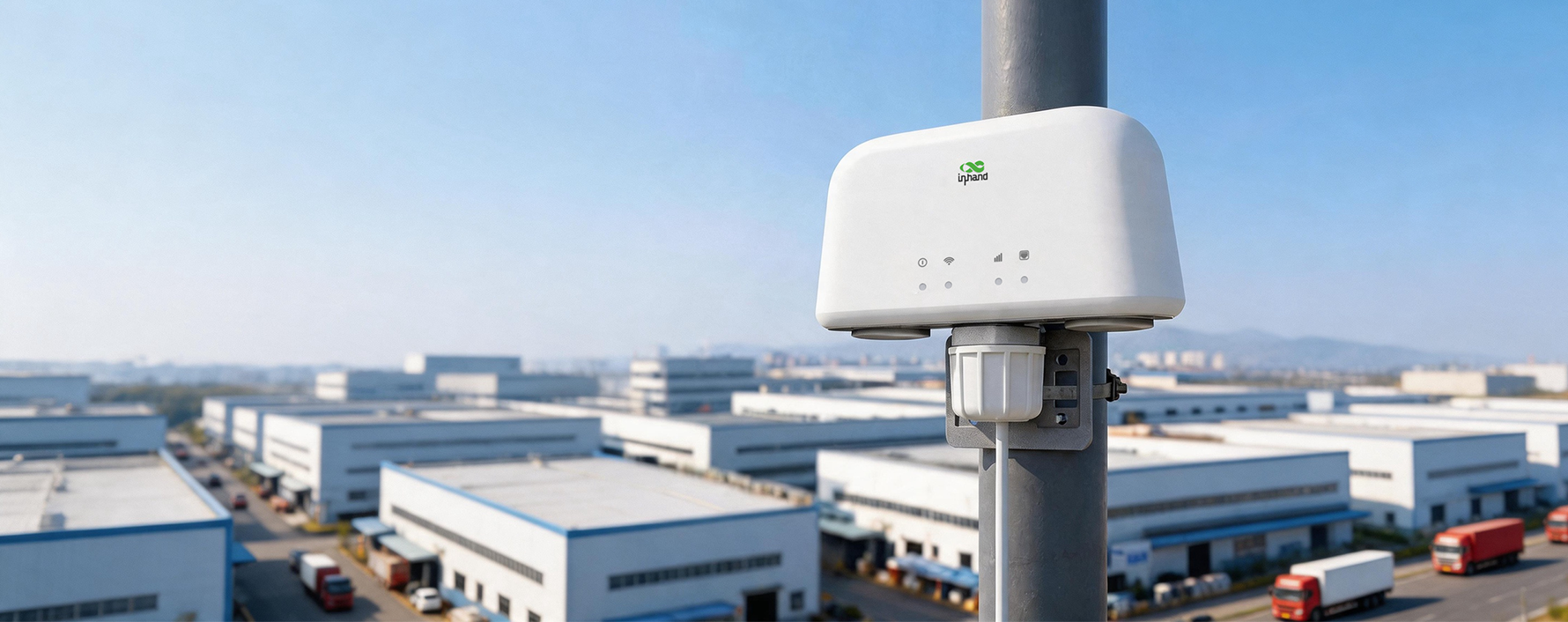
The ODU302 brings cellular connectivity, Wi-Fi, outdoor protection, and remote management into a single device. It can be mounted on top of equipment, on a wall, or on a pole, placing the router where network access works best and giving distributed assets such as ATMs, self-service terminals, outdoor surveillance systems, warehouses, and logistics parks a more flexible way to connect.(*Carrier certifications with AT&T, T-Mobile, and Verizon are currently in progress..)
The Real Complexity of Outdoor Connectivity Is On Site
In equipment such as ATMs, vending machines, and fuel dispensers, conventional routers are usually installed inside metal cabinets.
The cabinet, however, can weaken cellular signals. Bringing the signal outside often requires external antennas and feeder cables, along with cabinet cutouts, cable fastening, and weatherproofed connectors.
None of these tasks is difficult on its own. Together, they mean more components, more connection points, and more work at the installation site.
In other words, where the router is installed is itself part of the outdoor connectivity design.
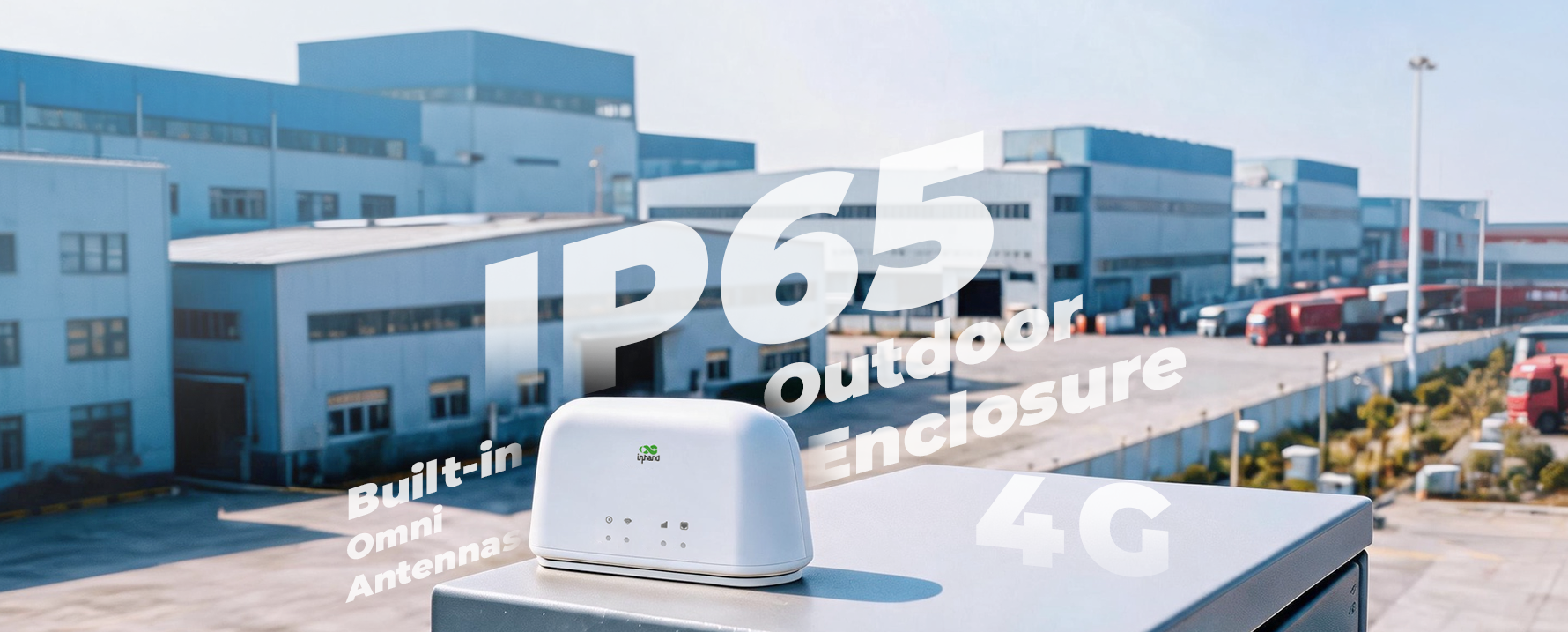
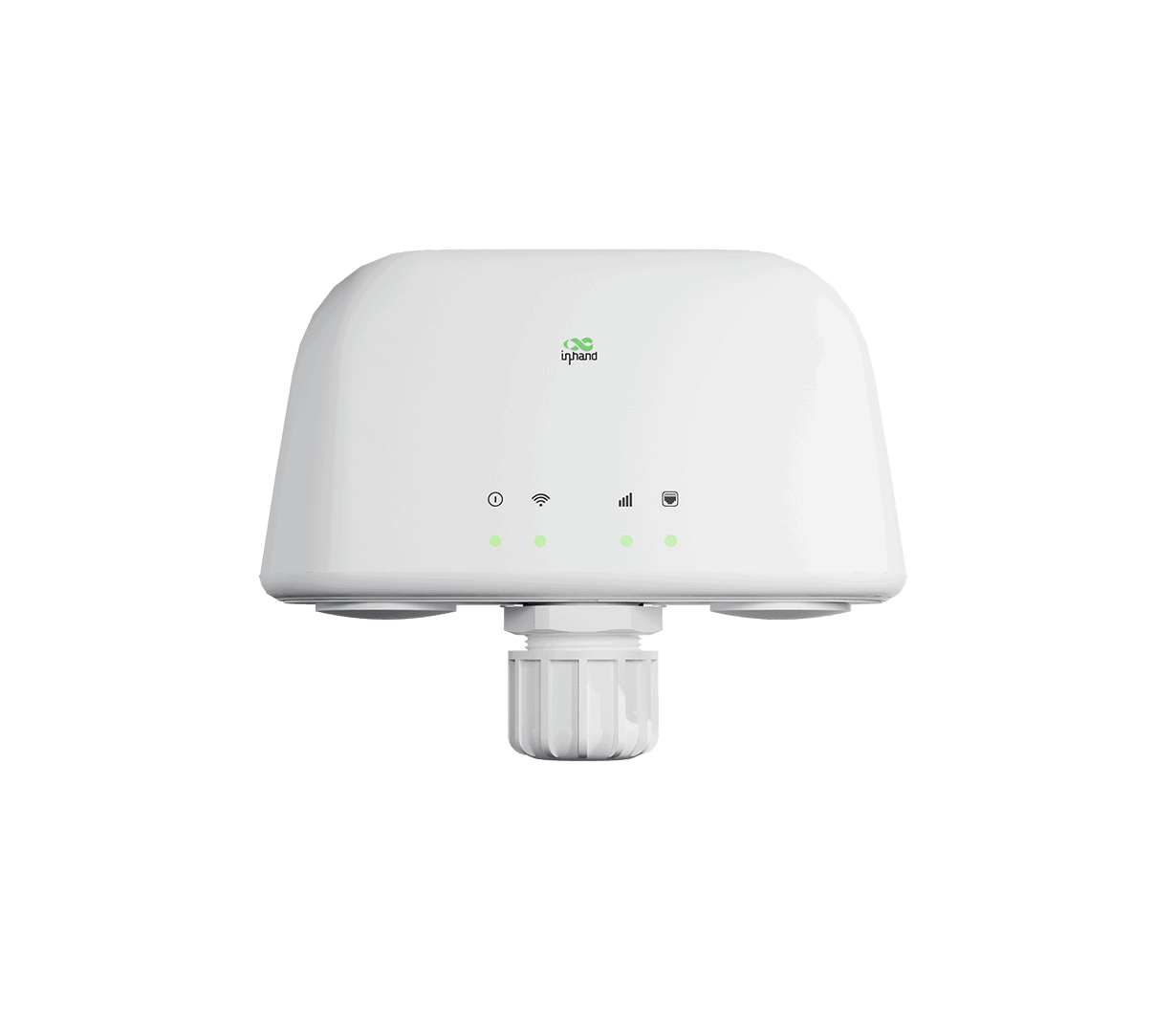
The ODU302 integrates the router and its cellular and Wi-Fi antennas in a single enclosure, allowing it to be installed outside the cabinet or wherever cellular reception is better. Compared with a split installation of router, antennas, and feeder cables, this all-in-one design reduces external antennas, feeder cables, and related assembly work. It also eliminates the need to reserve space for a router inside the cabinet. Once the router moves outside the cabinet, the next questions are how to install and power it across different sites.
A Mounting Option for Every Outdoor Site
Every machine and site is different.
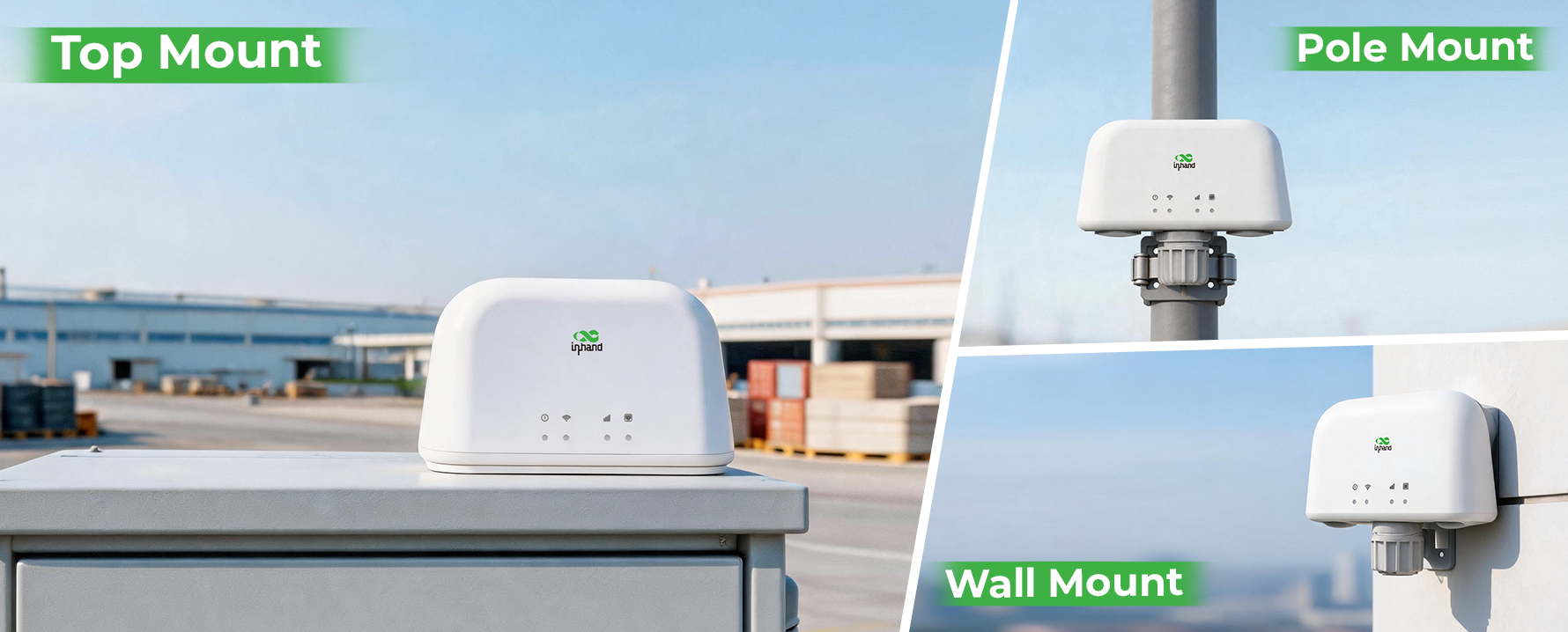
The ODU302 supports top, wall, and pole mounting. It can be integrated with ATMs and self-service terminals, while at warehouses, logistics parks, and outdoor surveillance sites it can be mounted on a wall or pole, depending on local conditions.
With an IP65 rating and an operating temperature range of -20 °C to +70 °C, the device is designed for common outdoor environments. Its cellular and Wi-Fi antennas are fully integrated inside the enclosure, with no exposed antenna array. That means fewer external connections and a cleaner installation.
Its power source can be matched to the site as well.
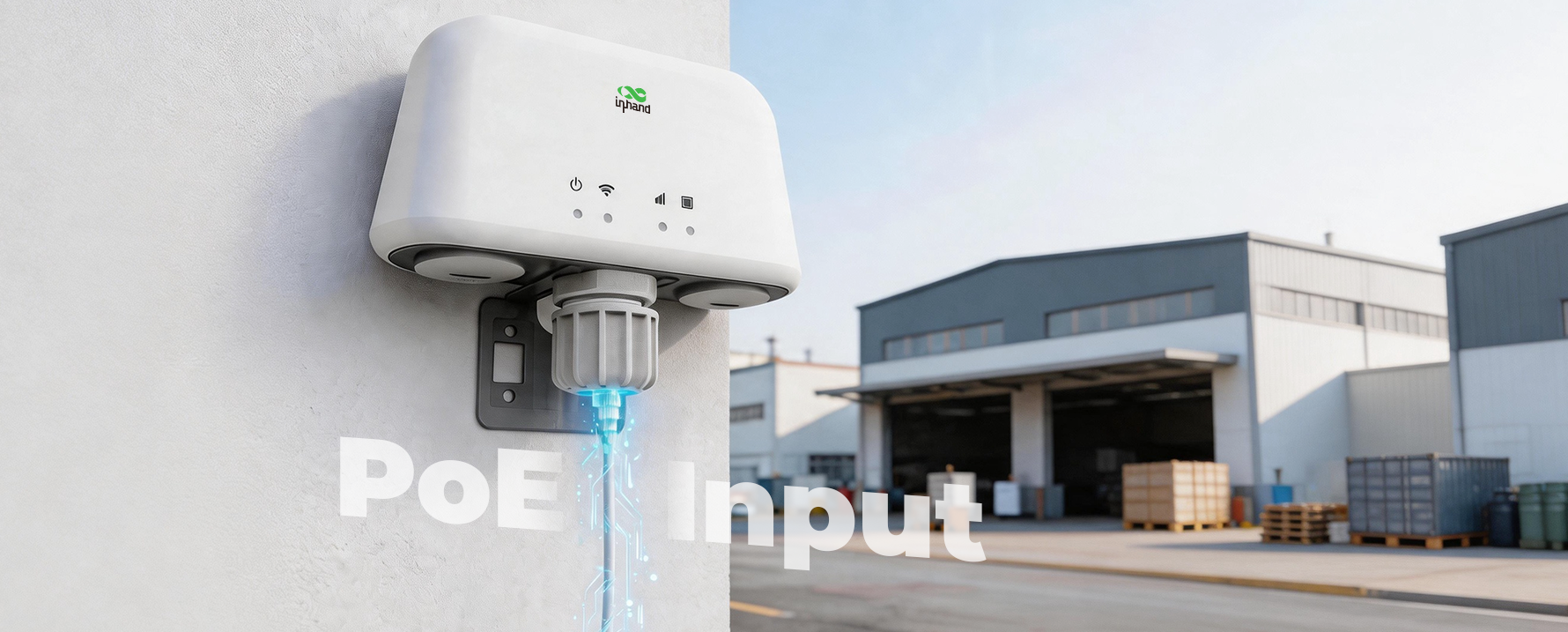
The ODU302 supports IEEE 802.3af PoE input Und 9-36 V DC input.
With PoE, a single Ethernet cable carries both power and data, making it well suited to locations where AC power is difficult to run. Machines with an existing DC supply can use the DC input directly.
Installation is only the beginning. For equipment expected to run outdoors for long periods, often unattended, the more important question is whether the router can restore connectivity on its own when something goes wrong.
Built-In Recovery for Unattended Equipment
When outdoor assets are deployed across many scattered sites, sending a technician every time a problem occurs is neither practical nor efficient.
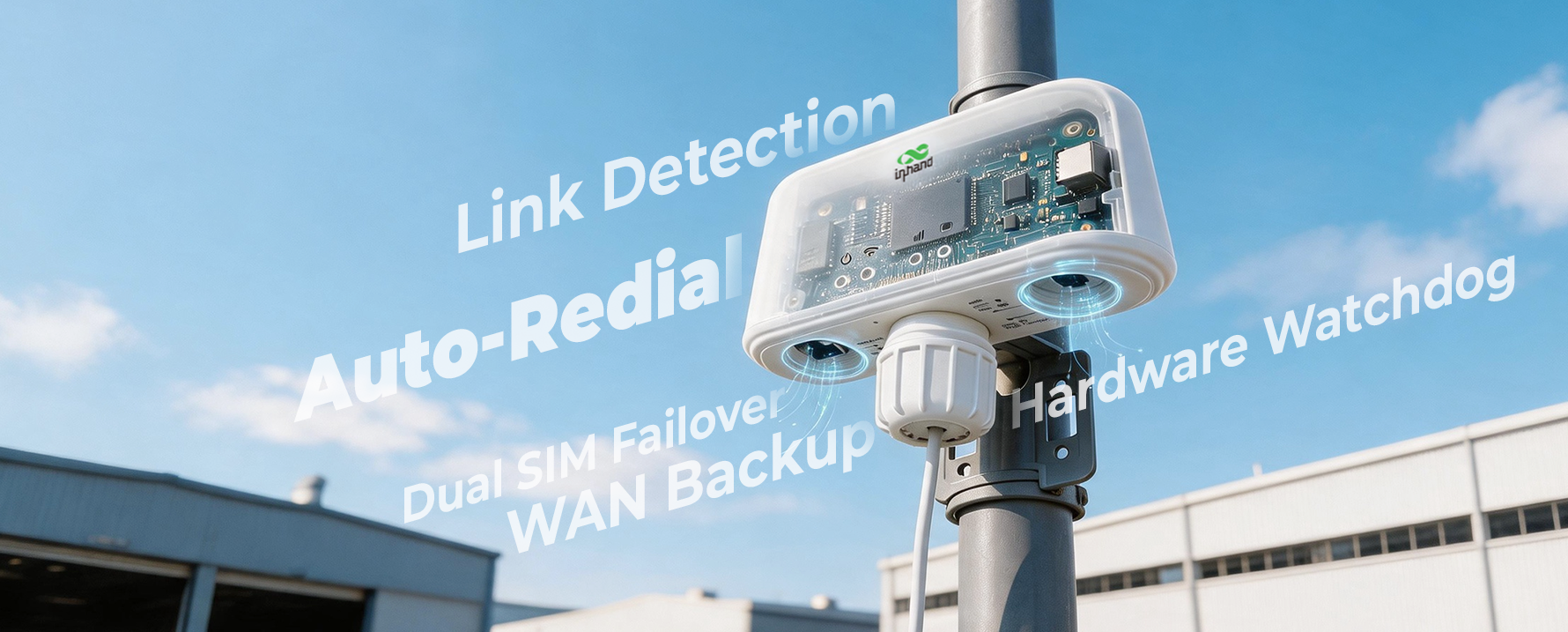
To handle common network issues, the ODU302 supports dual SIMs, failover between cellular and wired WAN links, link monitoring, automatic redial, and a hardware watchdog, creating multiple paths to restore connectivity.
If the primary SIM fails to connect or its signal falls below a configured threshold, the router can switch to the second SIM. Cellular and wired WAN connections can also be configured as primary and backup links.
Link monitoring and automatic redial detect connectivity issues and attempt to re-establish the connection, while the watchdog helps the device recover from certain operating faults.
These mechanisms cannot prevent every fault, but they allow the router to attempt recovery before a technician needs to be dispatched.
For unattended assets such as ATMs, self-service terminals, and outdoor surveillance systems, that is often more valuable in practice than a higher peak data rate.
As a deployment grows from a handful of locations to dozens, hundreds, or more, the challenge changes again: from helping one device recover to managing an entire distributed fleet.
Distributed Sites Call for Centralized Operations
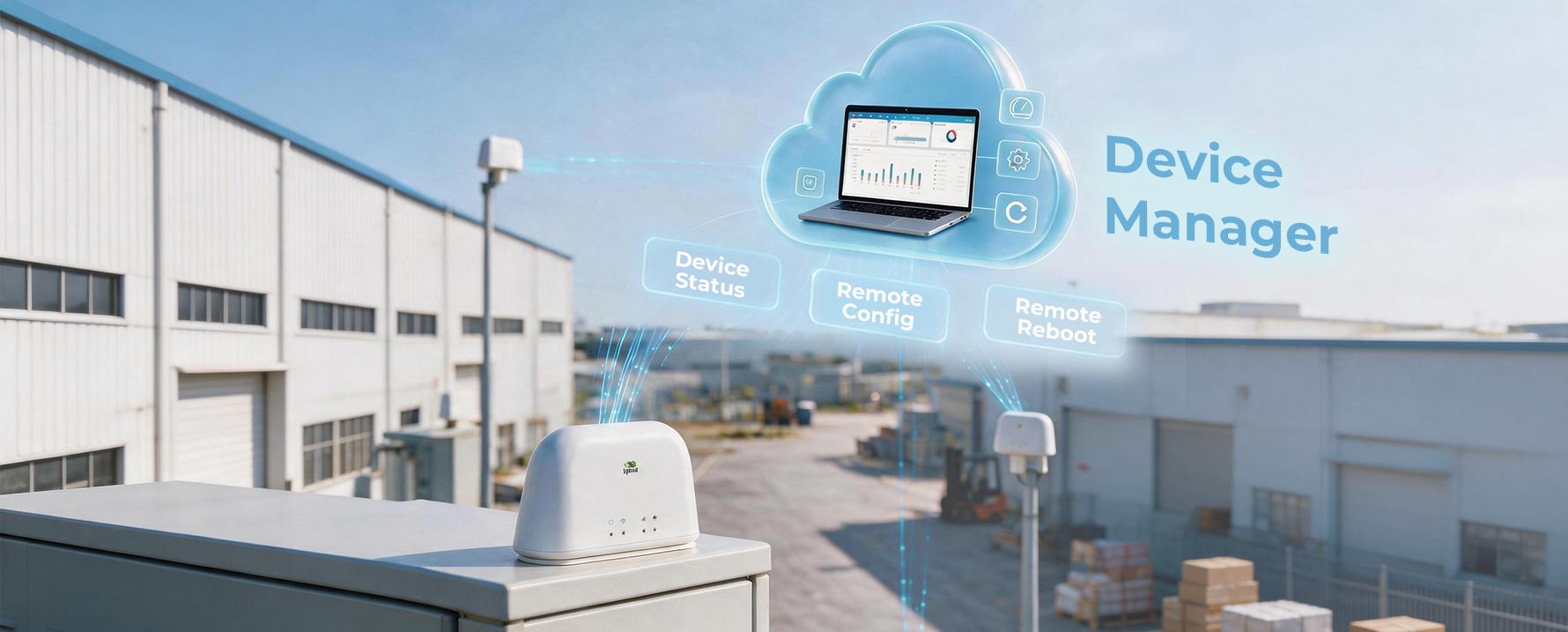
The ODU302 can connect to InHand Geräte-Manager, bringing devices deployed across multiple locations into a unified remote management environment.
Operations teams can view device status, deploy configurations, upgrade firmware, and reboot devices remotely, without visiting each site. Traffic statistics and alerts provide visibility into how every location is operating.
The router also supports multiple VPN protocols and firewall features to help protect remote access and data transmission.
The machines may remain distributed, but their management does not have to be.
From installation and connectivity to fault recovery and long-term operations, the ODU302 is designed to address not just one isolated step, but the recurring challenges that outdoor machines face throughout the connectivity lifecycle.
Different Machines, Similar Connectivity Challenges
The ODU302 is built for M2M connectivity, rather than home internet access or applications that prioritize peak speed.
For ATMs, vending machines, ticketing systems, and information kiosks, it can be integrated directly with the equipment.
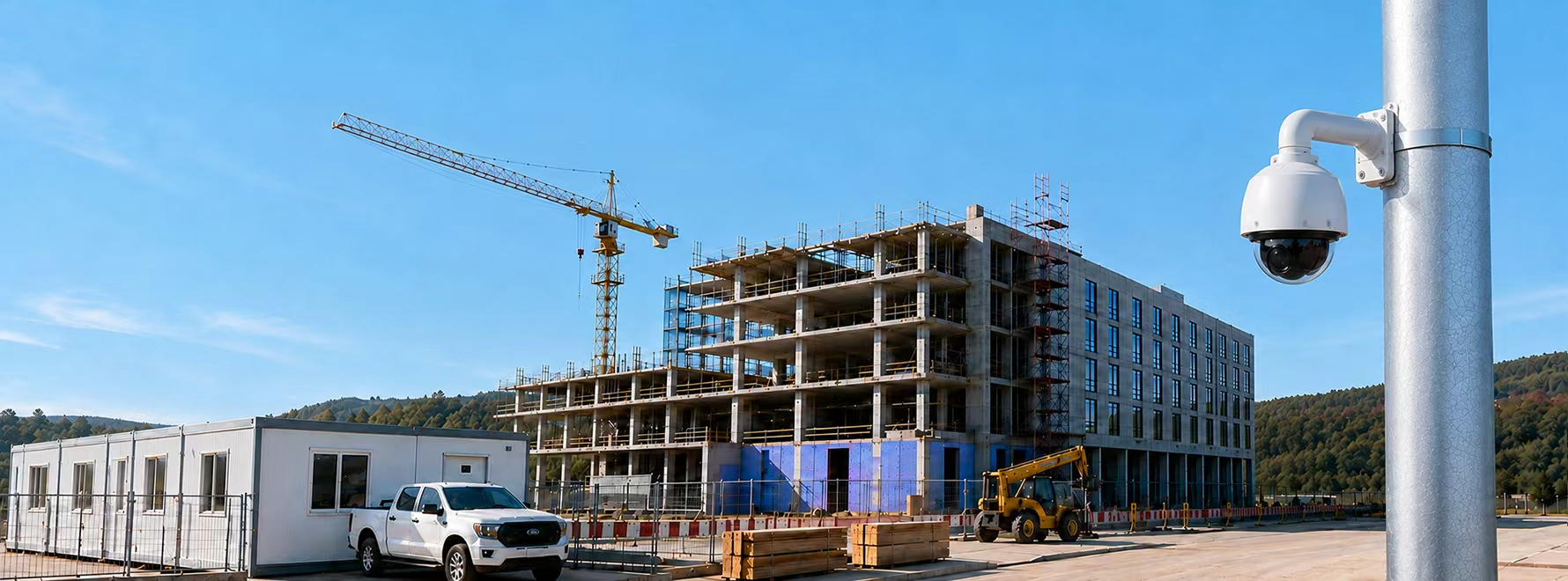
At outdoor surveillance sites, warehouses, and logistics parks, it can be wall- or pole-mounted to suit local conditions.
At distributed commercial sites such as chain stores and public service facilities, it can connect via 4G or wired WAN, depending on the available network.
Although the equipment and installation sites differ, the underlying challenge is much the same:
How can network access, installation and power, fault recovery, and remote management be brought together in a simpler solution, with fewer components and less on-site work?
Making Outdoor Connectivity Simpler
The ODU302 is more than an indoor router placed in a weatherproof enclosure.
It starts with the realities of machine connectivity in the field, rethinking where a router should be installed, how it should be powered, how it should recover from network disruptions, and how it should be managed as deployments scale.
By combining cellular connectivity, Wi-Fi, outdoor protection, and remote management in a single device, the ODU302 reduces unnecessary equipment, connections, and on-site work when connecting outdoor machines.
InHand Networks will continue to develop edge connectivity products and services around real-world M2M requirements, making distributed machines easier to connect and simpler to manage over the long term.
When the machine moves outdoors, the connection should follow.


 Frag die KI alles