


EC3576-C
KI-System auf Modul
Das EC3576-C System-on-Module wird vom Rockchip RK3576 Prozessor angetrieben und ist speziell für AIoT- und Industriemärkte entwickelt.
EC3576-C
KI-System auf Modul
Das EC3576-C System-on-Module wird vom Rockchip RK3576 Prozessor angetrieben und ist speziell für AIoT- und Industriemärkte entwickelt.
FOTO
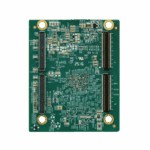
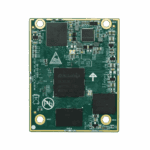
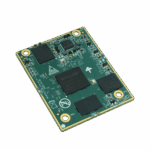
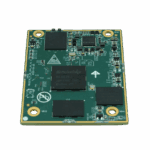
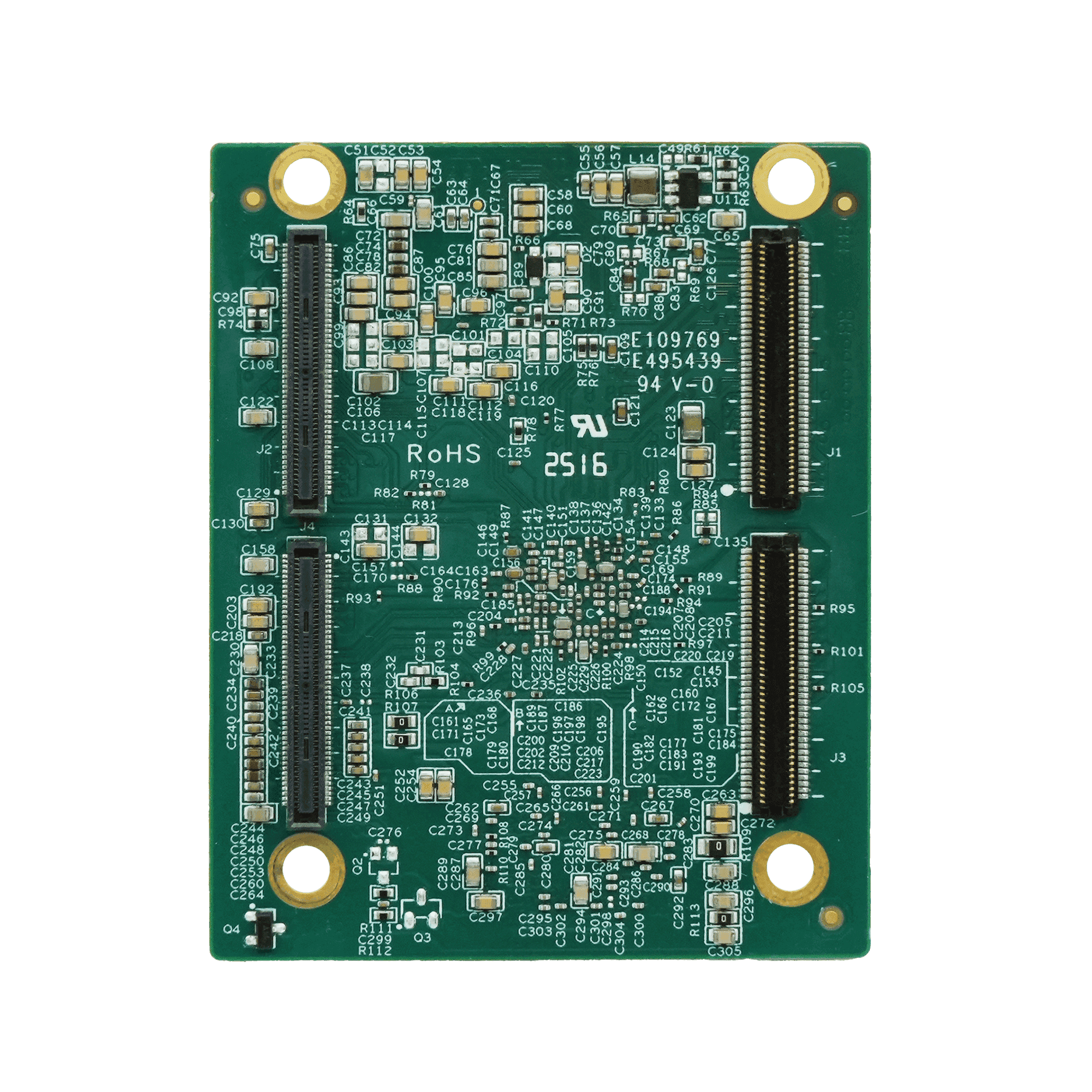
Leichtgewichtiger industrieller KI-Edge-Computer




-
Technische Kernspezifikationen
Betriebssystem Android 14Industrieprotokoll Modbus RTU/TCP, EtherNet/IP, OPC UA, Mitsubishi MCFernverwaltung InHand DeviceLive, HTTPS, SSHKI 6.0 TOPS INT8 NPUVideo-Codec 8K@30 fps Dekodierung, 4K@60 fps KodierungCloud-Plattform Cloud-Parameterkonfiguration, Containerverwaltung, FirmwareverwaltungCPU 4×A72 @ 2,3 GHz + 4×A53 @ 2,2 GHzSpeicher / Datenspeicher 8 GB LPDDR4 / 256 GB UFSAnzeigeschnittstelle HDMI/eDP/DSI/DP, drei unabhängige DisplaysKonnektivität 2×GMAC, USB 3.2, CAN-FD, MIPI-CSI×5, UART×12Abmessungen (B × T × H) 55 × 68 × 3 mm (2.17 × 2.68 × 0.12 in)Betriebstemperatur -40 °C ~ +85 °C (-40 °F ~ +185 °F)
-
Hardwareplattform
CPU 4 × ARM Cortex-A72 @ 2,3 GHz + 4 × ARM Cortex-A53 @ 2,2 GHzNPU 6.0 TOPS INT8, unterstützt INT4/INT8/INT16/FP16/BF16/TF32GPU ARM Mali-G52 MC3VPU Hardware-Kodierung: H.264, H.265, 4K@60 fps; Hardware-Dekodierung: H.264, H.265, VP9, AV1, AVS2, 8K@30 fps oder 4K@120 fpsRAM 8 GB LPDDR4ROM 256 GB UFS
-
Anzeigeschnittstelle
HDMI/eDP TX 1 × HDMI v2.1 / eDP v1.3 (gemuxt), bis zu 4K@120 Hz; unterstützt CEC, ARC, HDCP v2.3/v1.4; eDP unterstützt bis zu 3 Displays mit unterschiedlichen InhaltenMIPI DSI 1 × MIPI DSI-2 TX, D-PHY v2.0 (4 Lanes) oder C-PHY v1.1 (3 Trios), bis zu 2560 × 1600 bei 60 HzParallel 1 × Parallel RGB/BT.656/BT.1120, bis zu 1920 × 1080 bei 60 HzEBC 1 × E-Ink EPD, 2560 × 1920 harte Dekodierung, 16-Bit-Datenbus, bis zu 32 GraustufenDP TX 1 × USB/DP-Kombianschluss, DisplayPort v1.4, bis zu 4K@120 Hz, unterstützt MST, USB Typ-C mit DP Alt, HDCP v2.3/v1.3
-
Kameraschnittstelle
MIPI-CSI 5 × CSI-2; 4 × 2-Lane D-PHY v1.2 (2,5 Gbit/s/Lane, kombinierbar zu 2 × 4-Lane); 1 × 4-Lane D-PHY v2.0 (4,5 Gbit/s/Lane) oder 3 C-PHY-Trios; Unterstützt bis zu 5 gleichzeitig arbeitende KamerasDVP 1 × 8/10/12/16-Bit-Standard-DVP, bis zu 150 MHz Dateneingang; Unterstützt BT.601/BT.656/BT.1120
-
Audio
SAI ≤5; SAI 0/1 unterstützt 4 TX- und 4 RX-Leitungen; SAI 2/3/4 unterstützt 1 TX- und 1 RX-Leitung; Unterstützt I2S/TDM/PCM-Modus, Abtastrate bis zu 192 kHz, 16–32 BitDigitaler Audio-Codec 1; Unterstützt 2 × DAC, jeweils 3 Mischmodi; Unterstützt I2S/PCM Master/Slave-Modus, 16-Bit-Abtastrate; Unterstützt Lautstärkeregelung
-
Konnektivität
Ethernet ≤2 × GMAC, Pinbelegung über RGMII/RMII, 10/100/1000 Mbit/sSDIO ≤2, SDIO v3.0, 4-BitUSB 3.2 2 (1 × Typ-C unterstützt DP-Alt-Modus; 1 × kombinierte Hochgeschwindigkeitsschnittstelle)USB 2.0 OTG 2UART ≤12, 64-bit FIFO for TX/RX; Supports 5/6/7/8-bit serial transceiving, up to 4 Mbps; All 12 UARTs support flow control and RS-485CAN-FD ≤2, kompatibel mit CAN und CAN-FD; unterstützt Standard- und erweiterte Frames; 8192-Bit-FIFOSPI ≤5, Master- und Slave-Modus, jeweils unterstützt zwei ChipauswahlenI2C ≤9-, 7-Bit- und 10-Bit-Adressierungsmodi; Standardmodus 100 kbit/s, HS-Modus 400 kbit/sPWM ≤16, unterstützt Interrupt-Betrieb, Erfassungsmodus
-
Leistung
Eingangsleistung 5 V Gleichstrom
-
Mechanisch
Abmessungen (B × T × H) 55 × 68 × 3 mm (2.17 × 2.68 × 0.12 in)Paket Board-to-Board-Steckverbinder (4 × 100-polig, 0,4 mm Rastermaß, Gesamthöhe 1,5 mm)Befestigungslöcher 4 × φ3,5 mm
-
Umfeld
Betriebstemperatur -40 °C ~ +85 °C (-40 °F ~ +185 °F)
-
Betriebssystem
Betriebssystem Android 14OS-Flash-Methode USB OTG
-
Datenerfassungsprotokoll (DSA)
Industrieprotokoll Modbus RTU Master/Slave, Modbus TCP Master/Slave, EtherNet/IP, ISO über TCP, OPC UA Client/Server, Mitsubishi MC 3C/3E/3C über TCP, Mitsubishi CPU-Port, FINS UDP, Host-Link, PPIElektrizitätsprotokoll DLT645-2007, IEC101/104, DNP3.0Anderes Protokoll BACnet, CNC
-
Wartung und Management
Upgrade-Methode Unterstützt patentierte Upgrade-Mechanismen, lokale oder Remote-Firmware-UpgradesProtokoll Unterstützt lokale Systemprotokolle, Remote-Protokolle und die Aufbewahrung wichtiger Protokolle beim Stromausfall.Fernverwaltung InHand DeviceLive, HTTP, HTTPS, SSH usw.DeviceLive Cloud Unterstützt cloudbasierte Parameterkonfiguration, Containerverwaltung, Anwendungs- und Firmwareverwaltung
Standardpaket*
EC3576-C Entwicklungsplatine *1
* Der Standardpaketinhalt variiert je nach Standardbestellcode.
Optionales Zubehör
Netzteil *1
Kontaktieren Sie uns Um mehr über unsere Verpackungsoptionen zu erfahren, wenden Sie sich bitte direkt an uns.
Spezifikationen
-
Technische Kernspezifikationen
Betriebssystem Android 14Industrieprotokoll Modbus RTU/TCP, EtherNet/IP, OPC UA, Mitsubishi MCFernverwaltung InHand DeviceLive, HTTPS, SSHKI 6.0 TOPS INT8 NPUVideo-Codec 8K@30 fps Dekodierung, 4K@60 fps KodierungCloud-Plattform Cloud-Parameterkonfiguration, Containerverwaltung, FirmwareverwaltungCPU 4×A72 @ 2,3 GHz + 4×A53 @ 2,2 GHzSpeicher / Datenspeicher 8 GB LPDDR4 / 256 GB UFSAnzeigeschnittstelle HDMI/eDP/DSI/DP, drei unabhängige DisplaysKonnektivität 2×GMAC, USB 3.2, CAN-FD, MIPI-CSI×5, UART×12Abmessungen (B × T × H) 55 × 68 × 3 mm (2.17 × 2.68 × 0.12 in)Betriebstemperatur -40 °C ~ +85 °C (-40 °F ~ +185 °F)
-
Hardwareplattform
CPU 4 × ARM Cortex-A72 @ 2,3 GHz + 4 × ARM Cortex-A53 @ 2,2 GHzNPU 6.0 TOPS INT8, unterstützt INT4/INT8/INT16/FP16/BF16/TF32GPU ARM Mali-G52 MC3VPU Hardware-Kodierung: H.264, H.265, 4K@60 fps; Hardware-Dekodierung: H.264, H.265, VP9, AV1, AVS2, 8K@30 fps oder 4K@120 fpsRAM 8 GB LPDDR4ROM 256 GB UFS
-
Anzeigeschnittstelle
HDMI/eDP TX 1 × HDMI v2.1 / eDP v1.3 (gemuxt), bis zu 4K@120 Hz; unterstützt CEC, ARC, HDCP v2.3/v1.4; eDP unterstützt bis zu 3 Displays mit unterschiedlichen InhaltenMIPI DSI 1 × MIPI DSI-2 TX, D-PHY v2.0 (4 Lanes) oder C-PHY v1.1 (3 Trios), bis zu 2560 × 1600 bei 60 HzParallel 1 × Parallel RGB/BT.656/BT.1120, bis zu 1920 × 1080 bei 60 HzEBC 1 × E-Ink EPD, 2560 × 1920 harte Dekodierung, 16-Bit-Datenbus, bis zu 32 GraustufenDP TX 1 × USB/DP-Kombianschluss, DisplayPort v1.4, bis zu 4K@120 Hz, unterstützt MST, USB Typ-C mit DP Alt, HDCP v2.3/v1.3
-
Kameraschnittstelle
MIPI-CSI 5 × CSI-2; 4 × 2-Lane D-PHY v1.2 (2,5 Gbit/s/Lane, kombinierbar zu 2 × 4-Lane); 1 × 4-Lane D-PHY v2.0 (4,5 Gbit/s/Lane) oder 3 C-PHY-Trios; Unterstützt bis zu 5 gleichzeitig arbeitende KamerasDVP 1 × 8/10/12/16-Bit-Standard-DVP, bis zu 150 MHz Dateneingang; Unterstützt BT.601/BT.656/BT.1120
-
Audio
SAI ≤5; SAI 0/1 unterstützt 4 TX- und 4 RX-Leitungen; SAI 2/3/4 unterstützt 1 TX- und 1 RX-Leitung; Unterstützt I2S/TDM/PCM-Modus, Abtastrate bis zu 192 kHz, 16–32 BitDigitaler Audio-Codec 1; Unterstützt 2 × DAC, jeweils 3 Mischmodi; Unterstützt I2S/PCM Master/Slave-Modus, 16-Bit-Abtastrate; Unterstützt Lautstärkeregelung
-
Konnektivität
Ethernet ≤2 × GMAC, Pinbelegung über RGMII/RMII, 10/100/1000 Mbit/sSDIO ≤2, SDIO v3.0, 4-BitUSB 3.2 2 (1 × Typ-C unterstützt DP-Alt-Modus; 1 × kombinierte Hochgeschwindigkeitsschnittstelle)USB 2.0 OTG 2UART ≤12, 64-bit FIFO for TX/RX; Supports 5/6/7/8-bit serial transceiving, up to 4 Mbps; All 12 UARTs support flow control and RS-485CAN-FD ≤2, kompatibel mit CAN und CAN-FD; unterstützt Standard- und erweiterte Frames; 8192-Bit-FIFOSPI ≤5, Master- und Slave-Modus, jeweils unterstützt zwei ChipauswahlenI2C ≤9-, 7-Bit- und 10-Bit-Adressierungsmodi; Standardmodus 100 kbit/s, HS-Modus 400 kbit/sPWM ≤16, unterstützt Interrupt-Betrieb, Erfassungsmodus
-
Leistung
Eingangsleistung 5 V Gleichstrom
-
Mechanisch
Abmessungen (B × T × H) 55 × 68 × 3 mm (2.17 × 2.68 × 0.12 in)Paket Board-to-Board-Steckverbinder (4 × 100-polig, 0,4 mm Rastermaß, Gesamthöhe 1,5 mm)Befestigungslöcher 4 × φ3,5 mm
-
Umfeld
Betriebstemperatur -40 °C ~ +85 °C (-40 °F ~ +185 °F)
-
Betriebssystem
Betriebssystem Android 14OS-Flash-Methode USB OTG
-
Datenerfassungsprotokoll (DSA)
Industrieprotokoll Modbus RTU Master/Slave, Modbus TCP Master/Slave, EtherNet/IP, ISO über TCP, OPC UA Client/Server, Mitsubishi MC 3C/3E/3C über TCP, Mitsubishi CPU-Port, FINS UDP, Host-Link, PPIElektrizitätsprotokoll DLT645-2007, IEC101/104, DNP3.0Anderes Protokoll BACnet, CNC
-
Wartung und Management
Upgrade-Methode Unterstützt patentierte Upgrade-Mechanismen, lokale oder Remote-Firmware-UpgradesProtokoll Unterstützt lokale Systemprotokolle, Remote-Protokolle und die Aufbewahrung wichtiger Protokolle beim Stromausfall.Fernverwaltung InHand DeviceLive, HTTP, HTTPS, SSH usw.DeviceLive Cloud Unterstützt cloudbasierte Parameterkonfiguration, Containerverwaltung, Anwendungs- und Firmwareverwaltung
Downloads
Bestellung
Standardpaket*
EC3576-C Entwicklungsplatine *1
* Der Standardpaketinhalt variiert je nach Standardbestellcode.
Optionales Zubehör
Netzteil *1
Kontaktieren Sie uns Um mehr über unsere Verpackungsoptionen zu erfahren, wenden Sie sich bitte direkt an uns.
DeviceLive
IoT-Geräteverwaltungsplattform
Gerätemanagement, Fernüberwachung, Edge-App-Management und Fernwartung helfen Industrieunternehmen beim Aufbau intelligenter Edge-Netzwerke.
DeviceLive
Häufig gestellte Fragen
Was bietet der EC3576-C?
Der EC3576-C ist ein KI-System auf Modul (SoM) aufgebaut auf Rockchip RK3576J SoC, entwickelt zur Integration auf einer kundenspezifischen Trägerplatine für industrielle und kommerzielle Edge-KI-Anwendungen. Wichtigste Spezifikationen:
| — | — |
| Berechnen | 4× Cortex-A72 @ 2,3 GHz + 4× Cortex-A53 @ 2,2 GHz; 6-TOPS NPU (INT4/INT8/INT16/FP16/BF16/TF32); ARM Mali-G52 MC3 GPU |
| Erinnerung | 8 GB LPDDR4 RAM, 256 GB UFS-Speicher |
| Betriebssystem | Android 14 (über USB OTG geflasht) |
| Anzeige | Bis zu 3 gleichzeitige Anzeigen mit unterschiedlichen Inhalten über HDMI 2.1 / eDP 1.3 / MIPI DSI-2 / Parallel / DP 1.4 / EBC (e-ink) |
| Kamera | 5× MIPI CSI-2 + 1× DVP |
| Konnektivität | 2× GbE, USB 3.2, USB 2.0 OTG, CAN-FD, PCIe 2.1 |
| Formfaktor | 4× 100-poliger Board-to-Board-Steckverbinder (0,4 mm Rastermaß, 1,5 mm Gesamthöhe) |
| Leistung / Temperatur | Gleichstrom 5 V; −40 bis +85 °C Industriesortiment |
Zielanwendungen laut Datenblatt: Edge Computing, intelligente Endgeräte, industrielle Steuerung, HMI, Multimedia-Interaktion, visuelle KI. Kompatibel mit InHands DSA Rahmenwerk zur Datenerfassung und DeviceLive Cloud-Plattform nach der Bereitstellung.
Wie wird der EC3576-C eingesetzt?
Das EC3576-C ist ein Modul, kein eigenständiges Gerät. Es ist für die Integration auf einer kundenspezifischen Trägerplatine über vier 100-polige Board-to-Board-Steckverbinder (0,4 mm Rastermaß, 1,5 mm Gesamthöhe) vorgesehen. Die Stromversorgung erfolgt mit 5 V Gleichstrom. Das Betriebssystem wird über … geflasht. USB OTG.
Welche Schnittstellen bietet das Trägerboard EC3576-C?
Der EC3576-C stellt dem Carrierboard die folgenden Schnittstellen zur Verfügung:
- Ethernet: bis zu 2× Gigabit (GMAC, RGMII/RMII)
- USB: 2× USB 3.2 (1× Typ-C mit USB/DP Alt, 1× kombinierter High-Speed-Anschluss) und 2× USB 2.0 OTG
- PCIe: PCIe 2.1
- Kamera: 5× MIPI CSI-2 + 1× DVP (8/10/12/16-bit)
- Anzeige: bis zu 3 gleichzeitig über HDMI 2.1, eDP 1.3, MIPI DSI-2, Parallel (RGB/BT.656/BT.1120), DP 1.4, EBC (e-ink, 32 Graustufen)
- Industriell / seriell: Bis zu 2× CAN-FD, 12× UART (alle RS-485-fähig), 5× SPI, 9× I²C, 2× SDIO 3.0, 16× PWM
- Audio: bis zu 5× SAI/I²S + ein digitaler Audiocodec (2× DAC)
Wie schneidet der EC3576-C im Vergleich zum EC3588-C ab?
| EC3576-C | EC3588-C | |
| — | — | — |
| Betriebssystem | Android 14 | Linux |
| SoC | RK3576J | RK3588 (8-nm-Flaggschiff) |
| CPU | 4× A72 + 4× A53 | 4× A76 + 4× A55 |
| GPU | Mali-G52 MC3 | Mali-G610 MP4 (OpenGL ES 3.2, OpenCL 2.2, Vulkan 1.2) |
| NPU | 6 TOPS | 6 TOPS (Triple-Core) |
| RAM / Speicher | 8 GB LPDDR4 / 256 GB UFS | 16 GB LPDDR4 / 64 GB eMMC |
| HDMI-Ausgang | bis zu 4K bei 120 Hz | bis zu 8K@60 Hz |
| HDMI-Eingang | — | HDMI 2.0 RX |
| PCIe | PCIe 2.1 | PCIe 3.0 (2 Controller, konfigurierbar auf 1×4) + PCIe 2.0 (≤3) |
| Stromzufuhr | Gleichstrom 5 V | 4 V Gleichstrom |
| Betriebstemperatur | −40 bis +85 °C | 0 bis +80 °C |
Wähle die EC3576-C wenn die Anwendung Ziele Android (HMI, Kioske, Multimedia-/Display-basierte Anwendungen), benötigt einen breiteren industriellen Temperaturbereich oder mehr internen Speicher. Wählen Sie die EC3588-C wenn die Anwendung Ziele Linux, erfordert höhere CPU-/GPU-Leistung, 8K-Ausgabe, HDMI-Aufnahme oder PCIe 3.0-Erweiterungsbandbreite.