


EC3576-C
モジュール上のAIシステム
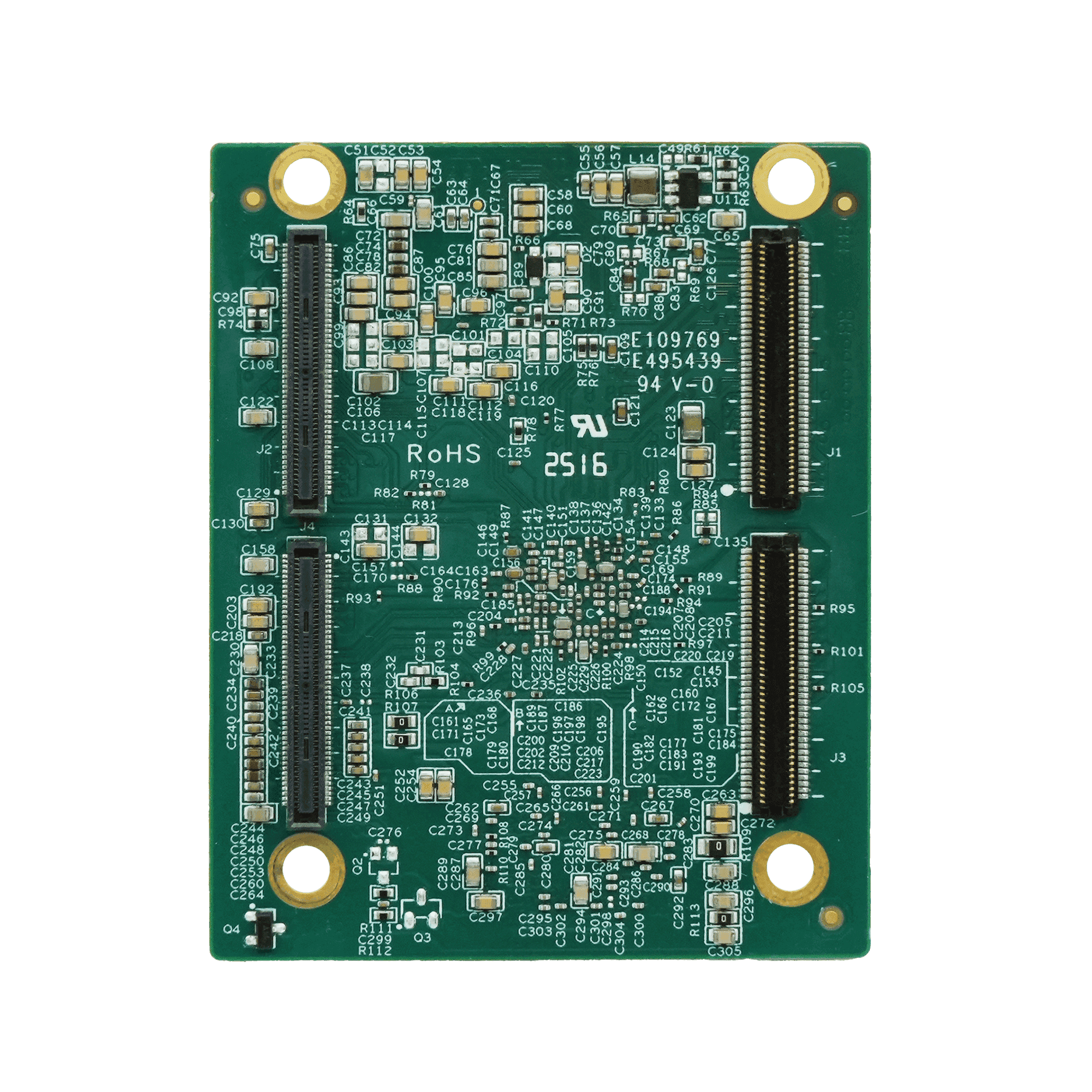
EC3576-Cシステムオンモジュールは、AIoTおよび産業市場向けに最適化されたRockchip RK3576プロセッサを搭載しています。
EC3576-C
モジュール上のAIシステム
EC3576-Cシステムオンモジュールは、AIoTおよび産業市場向けに最適化されたRockchip RK3576プロセッサを搭載しています。
写真
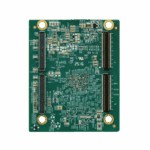
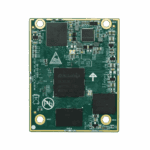
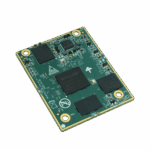
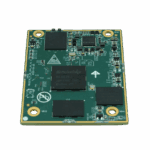
軽量産業用AIエッジコンピュータ




-
主要技術仕様
OS Android 14産業プロトコル Modbus RTU/TCP、EtherNet/IP、OPC UA、三菱MCリモート管理 InHand DeviceLive、HTTPS、SSHAI 6.0 TOPS INT8 NPUビデオコーデック 8K@30fpsデコード、4K@60fpsエンコードクラウドプラットフォーム クラウドパラメータ設定、コンテナ管理、ファームウェア管理CPU 4×A72 @ 2.3 GHz + 4×A53 @ 2.2 GHzメモリ/ストレージ 8GB LPDDR4 / 256GB UFSディスプレイインターフェース HDMI/eDP/DSI/DP、3系統の独立したディスプレイ接続性 GMAC×2、USB 3.2、CAN-FD、MIPI-CSI×5、UART×12寸法(幅×奥行×高さ) 55 × 68 × 3 mm (2.17 × 2.68 × 0.12 in)動作温度 -40 °C ~ +85 °C (-40 °F ~ +185 °F)
-
ハードウェアプラットフォーム
CPU 4 × ARM Cortex-A72 @ 2.3 GHz + 4 × ARM Cortex-A53 @ 2.2 GHzNPU 6.0 TOPS INT8、INT4/INT8/INT16/FP16/BF16/TF32をサポートGPU ARM Mali-G52 MC3VPU ハードエンコード: H.264、H.265、4K@60 fps; ハードデコード: H.264、H.265、VP9、AV1、AVS2、8K@30 fps または 4K@120 fpsラム 8GB LPDDR4ロム 256 GB UFS
-
ディスプレイインターフェース
HDMI/eDP TX HDMI v2.1 / eDP v1.3 (多重化) × 1、最大4K@120Hz対応。CEC、ARC、HDCP v2.3/v1.4に対応。eDPは最大3台の異なるディスプレイをサポート。MIPI DSI 1 × MIPI DSI-2 TX、D-PHY v2.0(4レーン)またはC-PHY v1.1(3トリオ)、最大2560 × 1600@60 Hz平行 1 × パラレルRGB/BT.656/BT.1120、最大1920×1080@60HzEBC 1 × E-ink EPD、2560 × 1920 ハードデコード、16ビットデータバス、最大32階調グレースケールDP TX USB/DPコンボ×1、DisplayPort v1.4、最大4K@120Hz、MST対応、DP Alt対応USB Type-C、HDCP v2.3/v1.3
-
カメラインターフェース
MIPI-CSI 5 × CSI-2、4 × 2レーン D-PHY v1.2 (2.5 Gbps/レーン、2 × 4レーンに組み合わせ可能)、1 × 4レーン D-PHY v2.0 (4.5 Gbps/レーン) または 3 つの C-PHY トリオ。最大 5 台のカメラの連携動作をサポート。DVP 1 × 8/10/12/16ビット標準DVP、最大150MHzのデータ入力。BT.601/BT.656/BT.1120をサポート。
-
オーディオ
サイ ≤5; SAI 0/1は4つのTXレーン+4つのRXレーンをサポート; SAI 2/3/4は1つのTXレーン+1つのRXレーンをサポート; I2S/TDM/PCMモードをサポート、サンプリングレートは最大192kHz、16~32ビットデジタルオーディオコーデック 1. 2つのDACをサポートし、それぞれ3つのブレンドモードに対応。I2S/PCMマスター/スレーブモード、16ビットサンプリングレートに対応。ボリュームコントロールに対応。
-
接続性
イーサネット ≤2 × GMAC、RGMII/RMIIによるピン配置、10/100/1000 MbpsSDIO ≤2、SDIO v3.0、4ビットUSB 3.2 2(Type-Cポート×1(DP Altモード対応)、コンボ高速インターフェース×1)USB 2.0 OTG 2UART ≤12, 64-bit FIFO for TX/RX; Supports 5/6/7/8-bit serial transceiving, up to 4 Mbps; All 12 UARTs support flow control and RS-485CAN-FD ≤2、CANおよびCAN-FDに準拠。標準フレームと拡張フレームをサポート。8192ビットFIFO。SPI ≤5、マスターモードとスレーブモード、それぞれ2つのチップ選択をサポートI2C ≤9、7ビット、10ビットのアドレスモード。標準モード100kbps、HSモード400kbps。PWM ≤16、割り込み動作、キャプチャモードをサポート
-
力
入力電力 DC 5V
-
機械
寸法(幅×奥行×高さ) 55 × 68 × 3 mm (2.17 × 2.68 × 0.12 in)パッケージ 基板間コネクタ(4×100ピン、ピッチ0.4mm、合計高さ1.5mm)取り付け穴 4 × φ3.5 mm
-
環境
動作温度 -40 °C ~ +85 °C (-40 °F ~ +185 °F)
-
オペレーティング·システム
OS Android 14OSフラッシュ方法 USB OTG
-
データ取得プロトコル(DSA)
産業プロトコル Modbus RTUマスター/スレーブ、Modbus TCPマスター/スレーブ、EtherNet/IP、TCP上のISO、OPC UAクライアント/サーバー、Mitsubishi MC 3C/3E/3C OverTCP、Mitsubishi CPUポート、FINS UDP、ホストリンク、PPI電気プロトコル DLT645-2007、IEC101/104、DNP3.0その他のプロトコル BACnet、CNC
-
保守管理
アップグレード方法 特許取得済みのアップグレードメカニズム、ローカルまたはリモートでのファームウェアアップグレードに対応しています。ログ ローカルシステムログ、リモートログ、重要なログの電源オフ時保存をサポートします。リモート管理 InHand DeviceLive、HTTP、HTTPS、SSHなどDeviceLive Cloud クラウドベースのパラメータ設定、コンテナ管理、アプリケーションおよびファームウェア管理をサポートします。
標準パッケージ*
EC3576-C開発ボード *1
※標準パッケージの内容は、標準注文コードによって異なります。
オプションアクセサリー
電源ユニット×1
お問い合わせ パッケージオプションの詳細については、直接お問い合わせください。
仕様
-
主要技術仕様
OS Android 14産業プロトコル Modbus RTU/TCP、EtherNet/IP、OPC UA、三菱MCリモート管理 InHand DeviceLive、HTTPS、SSHAI 6.0 TOPS INT8 NPUビデオコーデック 8K@30fpsデコード、4K@60fpsエンコードクラウドプラットフォーム クラウドパラメータ設定、コンテナ管理、ファームウェア管理CPU 4×A72 @ 2.3 GHz + 4×A53 @ 2.2 GHzメモリ/ストレージ 8GB LPDDR4 / 256GB UFSディスプレイインターフェース HDMI/eDP/DSI/DP、3系統の独立したディスプレイ接続性 GMAC×2、USB 3.2、CAN-FD、MIPI-CSI×5、UART×12寸法(幅×奥行×高さ) 55 × 68 × 3 mm (2.17 × 2.68 × 0.12 in)動作温度 -40 °C ~ +85 °C (-40 °F ~ +185 °F)
-
ハードウェアプラットフォーム
CPU 4 × ARM Cortex-A72 @ 2.3 GHz + 4 × ARM Cortex-A53 @ 2.2 GHzNPU 6.0 TOPS INT8、INT4/INT8/INT16/FP16/BF16/TF32をサポートGPU ARM Mali-G52 MC3VPU ハードエンコード: H.264、H.265、4K@60 fps; ハードデコード: H.264、H.265、VP9、AV1、AVS2、8K@30 fps または 4K@120 fpsラム 8GB LPDDR4ロム 256 GB UFS
-
ディスプレイインターフェース
HDMI/eDP TX HDMI v2.1 / eDP v1.3 (多重化) × 1、最大4K@120Hz対応。CEC、ARC、HDCP v2.3/v1.4に対応。eDPは最大3台の異なるディスプレイをサポート。MIPI DSI 1 × MIPI DSI-2 TX、D-PHY v2.0(4レーン)またはC-PHY v1.1(3トリオ)、最大2560 × 1600@60 Hz平行 1 × パラレルRGB/BT.656/BT.1120、最大1920×1080@60HzEBC 1 × E-ink EPD、2560 × 1920 ハードデコード、16ビットデータバス、最大32階調グレースケールDP TX USB/DPコンボ×1、DisplayPort v1.4、最大4K@120Hz、MST対応、DP Alt対応USB Type-C、HDCP v2.3/v1.3
-
カメラインターフェース
MIPI-CSI 5 × CSI-2、4 × 2レーン D-PHY v1.2 (2.5 Gbps/レーン、2 × 4レーンに組み合わせ可能)、1 × 4レーン D-PHY v2.0 (4.5 Gbps/レーン) または 3 つの C-PHY トリオ。最大 5 台のカメラの連携動作をサポート。DVP 1 × 8/10/12/16ビット標準DVP、最大150MHzのデータ入力。BT.601/BT.656/BT.1120をサポート。
-
オーディオ
サイ ≤5; SAI 0/1は4つのTXレーン+4つのRXレーンをサポート; SAI 2/3/4は1つのTXレーン+1つのRXレーンをサポート; I2S/TDM/PCMモードをサポート、サンプリングレートは最大192kHz、16~32ビットデジタルオーディオコーデック 1. 2つのDACをサポートし、それぞれ3つのブレンドモードに対応。I2S/PCMマスター/スレーブモード、16ビットサンプリングレートに対応。ボリュームコントロールに対応。
-
接続性
イーサネット ≤2 × GMAC、RGMII/RMIIによるピン配置、10/100/1000 MbpsSDIO ≤2、SDIO v3.0、4ビットUSB 3.2 2(Type-Cポート×1(DP Altモード対応)、コンボ高速インターフェース×1)USB 2.0 OTG 2UART ≤12, 64-bit FIFO for TX/RX; Supports 5/6/7/8-bit serial transceiving, up to 4 Mbps; All 12 UARTs support flow control and RS-485CAN-FD ≤2、CANおよびCAN-FDに準拠。標準フレームと拡張フレームをサポート。8192ビットFIFO。SPI ≤5、マスターモードとスレーブモード、それぞれ2つのチップ選択をサポートI2C ≤9、7ビット、10ビットのアドレスモード。標準モード100kbps、HSモード400kbps。PWM ≤16、割り込み動作、キャプチャモードをサポート
-
力
入力電力 DC 5V
-
機械
寸法(幅×奥行×高さ) 55 × 68 × 3 mm (2.17 × 2.68 × 0.12 in)パッケージ 基板間コネクタ(4×100ピン、ピッチ0.4mm、合計高さ1.5mm)取り付け穴 4 × φ3.5 mm
-
環境
動作温度 -40 °C ~ +85 °C (-40 °F ~ +185 °F)
-
オペレーティング·システム
OS Android 14OSフラッシュ方法 USB OTG
-
データ取得プロトコル(DSA)
産業プロトコル Modbus RTUマスター/スレーブ、Modbus TCPマスター/スレーブ、EtherNet/IP、TCP上のISO、OPC UAクライアント/サーバー、Mitsubishi MC 3C/3E/3C OverTCP、Mitsubishi CPUポート、FINS UDP、ホストリンク、PPI電気プロトコル DLT645-2007、IEC101/104、DNP3.0その他のプロトコル BACnet、CNC
-
保守管理
アップグレード方法 特許取得済みのアップグレードメカニズム、ローカルまたはリモートでのファームウェアアップグレードに対応しています。ログ ローカルシステムログ、リモートログ、重要なログの電源オフ時保存をサポートします。リモート管理 InHand DeviceLive、HTTP、HTTPS、SSHなどDeviceLive Cloud クラウドベースのパラメータ設定、コンテナ管理、アプリケーションおよびファームウェア管理をサポートします。
ダウンロード
注文
標準パッケージ*
EC3576-C開発ボード *1
※標準パッケージの内容は、標準注文コードによって異なります。
オプションアクセサリー
電源ユニット×1
お問い合わせ パッケージオプションの詳細については、直接お問い合わせください。
よくある質問
EC3576-Cにはどのような特長がありますか?
EC3576-Cは AIシステム・オン・モジュール(SoM) 上に構築された ロックチップ RK3576J 産業用および商用エッジAIアプリケーション向けに、顧客設計のキャリアボードに統合するように設計されたSoC。主な仕様:
| — | — |
| 計算する | Cortex-A72(2.3GHz)×4、Cortex-A53(2.2GHz)×4。 6-TOPS NPU (INT4/INT8/INT16/FP16/BF16/TF32); ARM Mali-G52 MC3 GPU |
| メモリ | 8GB LPDDR4 RAM、256GB UFSストレージ |
| OS | Android 14(USB OTG経由でフラッシュ済み) |
| 画面 | まで 3つの同時表示 HDMI 2.1 / eDP 1.3 / MIPI DSI-2 / パラレル / DP 1.4 / EBC (電子インク) を介して異なるコンテンツを表示 |
| カメラ | MIPI CSI-2×5 + DVP×1 |
| 接続性 | 2×GbE、USB 3.2、USB 2.0 OTG、CAN-FD、PCIe 2.1 |
| フォームファクター | 100ピン基板対基板コネクタ×4個(ピッチ0.4mm、合計高さ1.5mm) |
| 電力/温度 | DC 5V; −40~+85℃ 工業用範囲 |
データシートに記載されている対象アプリケーション:エッジコンピューティング、インテリジェント端末、産業制御、HMI、マルチメディアインタラクション、ビジュアルAI。InHandの製品と互換性があります。 DSA データ取得フレームワークと DeviceLive クラウドプラットフォームは一度デプロイされると、
EC3576-Cはどのように導入されますか?
EC3576-Cはモジュールであり、単体デバイスではありません。4つの100ピン基板間コネクタ(ピッチ0.4mm、合計高さ1.5mm)を介して、顧客設計のキャリアボードに統合することを想定しています。電源入力はDC 5Vです。OSのフラッシュは、 USB OTG.
EC3576-Cはどのようなキャリアボードインターフェースを公開していますか?
EC3576-Cは、キャリアボードに対して以下のインターフェースを提供します。
- イーサネット: 最大2倍ギガビット(GMAC、RGMII/RMII)
- USB: USB 3.2ポート×2(USB/DP Alt対応Type-C×1、高速コンボポート×1)、USB 2.0 OTGポート×2
- PCIe: PCIe 2.1
- カメラ: 5× MIPI CSI-2 + 1× DVP (8/10/12/16 ビット)
- 画面: HDMI 2.1、eDP 1.3、MIPI DSI-2、パラレル (RGB/BT.656/BT.1120)、DP 1.4、EBC (e-ink、32 グレースケール) 経由で最大 3 つまで同時接続可能
- 産業用/シリアル: 最大2×CAN-FD、12×UART(すべてRS-485対応)、5×SPI、9×I²C、2×SDIO 3.0、16×PWM
- オーディオ: 最大5倍のSAI/I²S + デジタルオーディオコーデック(2倍のDAC)
EC3576-CはEC3588-Cと比べてどうですか?
| EC3576-C | EC3588-C | |
| — | — | — |
| OS | Android 14 | Linux |
| SoC | RK3576J | RK3588(8nmフラッグシップモデル) |
| CPU | 4×A72 + 4×A53 | 4× A76 + 4倍 A55 |
| GPU | マリG52 MC3 | Mali-G610 MP4 (OpenGL ES 3.2、OpenCL 2.2、Vulkan 1.2) |
| NPU | 6トップス | 6 TOPS(トリプルコア) |
| RAM / ストレージ | 8GB LPDDR4 / 256GB UFS | 16ギガバイト LPDDR4 / 64GB eMMC |
| HDMI出力 | 最大4K@120Hz | まで 8K@60Hz |
| HDMI入力 | — | HDMI 2.0 RX |
| PCIe | PCIe 2.1 | PCIe 3.0 (コントローラー2個、1×4構成可能)+ PCIe 2.0(≤3) |
| 電源入力 | DC 5V | DC 4V |
| 動作温度 | −40~+85℃ | 0~+80℃ |
選ぶ EC3576-C アプリケーションが対象とする アンドロイド (HMI、キオスク、マルチメディア/ディスプレイ駆動ワークロード)、より広い産業用温度範囲が必要な場合、またはより多くのオンボードストレージが必要な場合は、 EC3588-C アプリケーションが対象とする Linuxより高いCPU/GPU性能、8K出力、HDMIキャプチャ、またはPCIe 3.0拡張帯域幅が必要です。