


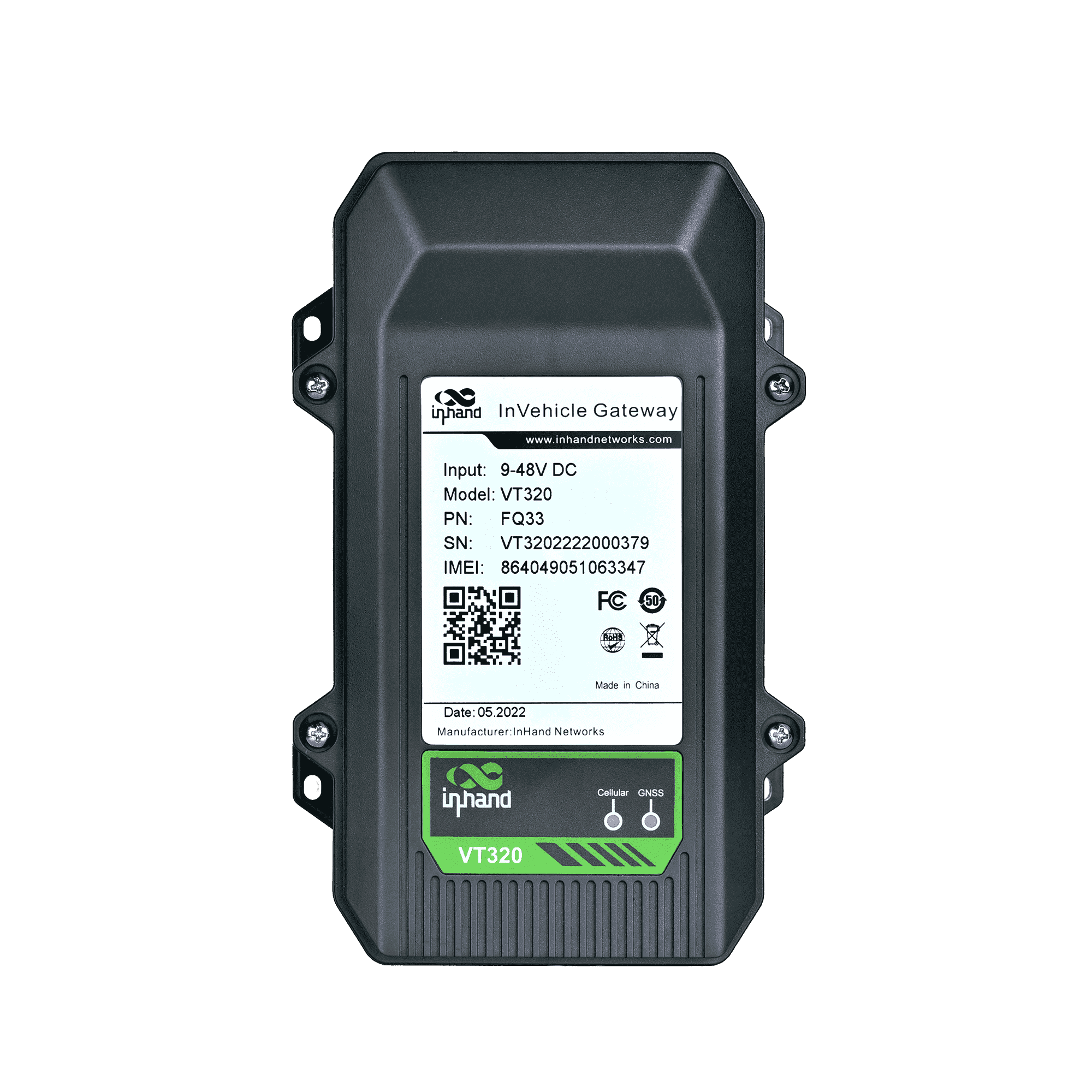
VT320
車両テレマティクスゲートウェイ
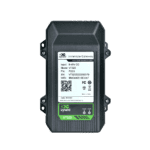
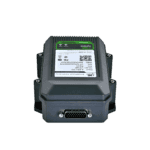
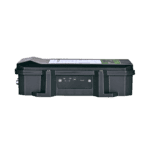
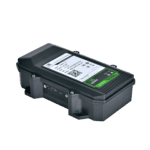
過酷な環境下でも動作する高性能テレマティクスゲートウェイ。LTE、GNSS、慣性センサーを統合し、リアルタイム追跡、運転行動分析、エンジン診断を実現します。
VT320
車両テレマティクスゲートウェイ
過酷な環境下でも動作する高性能テレマティクスゲートウェイ。LTE、GNSS、慣性センサーを統合し、リアルタイム追跡、運転行動分析、エンジン診断を実現します。
写真
いつでもどこでも:スマートに車両を感知

高精度位置情報とナビゲーション
GNSSと内蔵ジャイロスコープ、慣性センサーを組み合わせることで、電波の届かない場所でも正確なリアルタイムの位置情報と走行距離の記録を実現します。

高度な運転行動分析
急ブレーキ、急加速、衝突をリアルタイムで監視します。車両管理者が運転パターンを分析し、道路安全性を向上させるのに役立ちます。

車両診断サポート全般
標準的なOBD-II、J1939、およびJ1708プロトコルに対応しています。車両の動作状況を追跡し、予防保守のためのデータを提供することでコスト削減に貢献します。

豊富なI/O接続性
アラーム、センサー、燃料レベルを監視するための複数の入出力ポートを搭載。車両周辺機器をリモートで管理し、車両全体の状況を包括的に把握できます。

中断のない運用
見出し:スマート電源管理とバックアップ 内容:1200mAhのニッケル水素電池と超低電力モードを搭載。車両の電源がオフの状態でも、信頼性の高いデータ報告と監視を保証します。

過酷な使用環境に対応する堅牢設計
IP66規格の筐体設計と幅広い温度範囲(-40℃~85℃)に対応。重機や公共交通機関の設備に最適です。
-
主要技術仕様
バッテリー 1200mAh ニッケル水素電池セルラーネットワーク LTE Cat.1 / LTE Cat-M1クラウド統合 AWS IoT、Azure IoT、Aliyun IoT、Wialon、Traccar、GPSWox、ThingsBoard寸法 Approximately 157.15 × 100 × 43.73 mm (6.19 × 3.94 × 1.72 in)ネットワーク機能 TCP / UDP / HTTP / MQTT トランスポート、SMS または FlexAPI レポート動作温度 -40 °C ~ 85 °C (-40 °F ~ 185 °F)ポジショニング GPS / Galileo / Beidou / GLONASS + 慣性航法 (DR)電源 9~48V DC保護等級 IP66安全 証明書ベースのアクセス機能、モデル依存のオペレーター認証車両データアクセス OBD-II / J1939 / J1979 / J1708車両インターフェース 2 × CAN, RS-232, RS-485, DI/DO, 1-Wire, analog input, dual-SIM
-
セルラー通信とGNSS
アンテナ LTE FPC内蔵または外部SMAコネクタ(モデルによる);GNSSセラミック内蔵または外部SMAコネクタブルートゥース Bluetooth 4.1チャンネル 72チャンネル初期位置決め感度 -167 dBm(初期位置決め時間 26 秒)位置精度 2.5メートル(CEP50)ネットワークの種類 LTE Cat.1 / Cat-M1衛星支援 GPS / ガリレオ / 北斗 / グロナストラッキング感度 -157 dBm(ホットスタート時)、-148 dBm(コールドスタート時)更新頻度 0.25 Hz ~ 10 MHz(設定可能)
-
慣性センサー
加速範囲 ±2 / ±4 / ±8 / ±16 g角速度範囲 ±125 / ±250 / ±500 / ±1000 / ±2000 dps慣性航法 推測航法(DR)をサポートします
-
労働条件
バッテリー容量 1200mAh電池材料 ニッケル水素電池バッテリーの温度範囲 Charging: 0 °C ~ 45 °C (32 °F ~ 113 °F); Discharging: -40 °C ~ 85 °C (-40 °F ~ 185 °F)ESD IEC 61000-4-2(4kV試験)湿度 95% RH @ 50 °C (結露なし)動作温度 -40 °C ~ 85 °C (-40 °F ~ 185 °F)保護等級 IP66シェル素材 エンジニアリングプラスチック+エンジニアリングプラスチック合金(PC+ABS)保管温度 For 1 month: -40 °C ~ 55 °C (-40 °F ~ 131 °F); For 1 year: -40 °C ~ 35 °C (-40 °F ~ 95 °F)動作電圧 9~48V DC
-
車両インターフェース
1線式 1チャンネル(センサー4個に対応)アナログ入力 1チャンネル+1チャンネルCANバス 2チャンネル診断 J1708 / OBD-II / J1939 対応(車両プロトコル)デジタル入力 4チャンネルデジタル出力 3チャンネル(最大300mA)入出力ピン 26ピン点火信号 1チャンネルLEDインジケーター 2つのLEDインジケーター(セルラーステータス/GNSSステータス)RS-232 1チャンネルRS-485 1チャンネルSIMカード 2 × FF、押し込み式スロット
-
クラウドプラットフォームと接続性
クラウドプラットフォーム AWS IoT、Azure IoT、Aliyun IoT、Wialon、Traccar、GPSWox、WhiteLabel Tracking、ThingsBoard、顧客プラットフォーム輸送プロトコル TCP / UDP / HTTP / MQTT
-
車両データと透明トランスミッション
透明透過 RS-232/RS-485 transparent; Modbus RTU to Modbus (data acquisition)車両データ OBD-II、J1939、J1979、J1708
-
イベントアラームとレポート
BLE転送 BLE経由で車両データを転送ELD サポート対象イベントアラーム 衝突検知、動作検知、速度超過、IO変化、点火信号検知レポートサポート TCP/UDP/MQTT経由のSMSまたはFlexAPI
-
設定インターフェース
構成 RS-232 or Bluetooth; USB Type-C
-
証明書(記載のとおり)
資格認定 FCC / IC / PTCRB / AT&T / Verizon(機種による)
標準パッケージ*
- VT320テレマティクスゲートウェイ *1
- 26ピンオールインワンテストケーブル*1
- 標準パッケージ*の内容は、標準注文コードによって異なります。
- オプションアクセサリー
- USB-485/232コネクタ
- 弊社のパッケージオプションについて詳しく知りたい場合は、直接お問い合わせください。
お問い合わせ パッケージオプションの詳細については、直接お問い合わせください。
仕様
-
主要技術仕様
バッテリー 1200mAh ニッケル水素電池セルラーネットワーク LTE Cat.1 / LTE Cat-M1クラウド統合 AWS IoT、Azure IoT、Aliyun IoT、Wialon、Traccar、GPSWox、ThingsBoard寸法 Approximately 157.15 × 100 × 43.73 mm (6.19 × 3.94 × 1.72 in)ネットワーク機能 TCP / UDP / HTTP / MQTT トランスポート、SMS または FlexAPI レポート動作温度 -40 °C ~ 85 °C (-40 °F ~ 185 °F)ポジショニング GPS / Galileo / Beidou / GLONASS + 慣性航法 (DR)電源 9~48V DC保護等級 IP66安全 証明書ベースのアクセス機能、モデル依存のオペレーター認証車両データアクセス OBD-II / J1939 / J1979 / J1708車両インターフェース 2 × CAN, RS-232, RS-485, DI/DO, 1-Wire, analog input, dual-SIM
-
セルラー通信とGNSS
アンテナ LTE FPC内蔵または外部SMAコネクタ(モデルによる);GNSSセラミック内蔵または外部SMAコネクタブルートゥース Bluetooth 4.1チャンネル 72チャンネル初期位置決め感度 -167 dBm(初期位置決め時間 26 秒)位置精度 2.5メートル(CEP50)ネットワークの種類 LTE Cat.1 / Cat-M1衛星支援 GPS / ガリレオ / 北斗 / グロナストラッキング感度 -157 dBm(ホットスタート時)、-148 dBm(コールドスタート時)更新頻度 0.25 Hz ~ 10 MHz(設定可能)
-
慣性センサー
加速範囲 ±2 / ±4 / ±8 / ±16 g角速度範囲 ±125 / ±250 / ±500 / ±1000 / ±2000 dps慣性航法 推測航法(DR)をサポートします
-
労働条件
バッテリー容量 1200mAh電池材料 ニッケル水素電池バッテリーの温度範囲 Charging: 0 °C ~ 45 °C (32 °F ~ 113 °F); Discharging: -40 °C ~ 85 °C (-40 °F ~ 185 °F)ESD IEC 61000-4-2(4kV試験)湿度 95% RH @ 50 °C (結露なし)動作温度 -40 °C ~ 85 °C (-40 °F ~ 185 °F)保護等級 IP66シェル素材 エンジニアリングプラスチック+エンジニアリングプラスチック合金(PC+ABS)保管温度 For 1 month: -40 °C ~ 55 °C (-40 °F ~ 131 °F); For 1 year: -40 °C ~ 35 °C (-40 °F ~ 95 °F)動作電圧 9~48V DC
-
車両インターフェース
1線式 1チャンネル(センサー4個に対応)アナログ入力 1チャンネル+1チャンネルCANバス 2チャンネル診断 J1708 / OBD-II / J1939 対応(車両プロトコル)デジタル入力 4チャンネルデジタル出力 3チャンネル(最大300mA)入出力ピン 26ピン点火信号 1チャンネルLEDインジケーター 2つのLEDインジケーター(セルラーステータス/GNSSステータス)RS-232 1チャンネルRS-485 1チャンネルSIMカード 2 × FF、押し込み式スロット
-
クラウドプラットフォームと接続性
クラウドプラットフォーム AWS IoT、Azure IoT、Aliyun IoT、Wialon、Traccar、GPSWox、WhiteLabel Tracking、ThingsBoard、顧客プラットフォーム輸送プロトコル TCP / UDP / HTTP / MQTT
-
車両データと透明トランスミッション
透明透過 RS-232/RS-485 transparent; Modbus RTU to Modbus (data acquisition)車両データ OBD-II、J1939、J1979、J1708
-
イベントアラームとレポート
BLE転送 BLE経由で車両データを転送ELD サポート対象イベントアラーム 衝突検知、動作検知、速度超過、IO変化、点火信号検知レポートサポート TCP/UDP/MQTT経由のSMSまたはFlexAPI
-
設定インターフェース
構成 RS-232 or Bluetooth; USB Type-C
-
証明書(記載のとおり)
資格認定 FCC / IC / PTCRB / AT&T / Verizon(機種による)
ダウンロード
注文
標準パッケージ*
- VT320テレマティクスゲートウェイ *1
- 26ピンオールインワンテストケーブル*1
- 標準パッケージ*の内容は、標準注文コードによって異なります。
- オプションアクセサリー
- USB-485/232コネクタ
- 弊社のパッケージオプションについて詳しく知りたい場合は、直接お問い合わせください。
お問い合わせ パッケージオプションの詳細については、直接お問い合わせください。
関連事例

よくある質問
VT320の認証を受けている携帯電話事業者はどれですか?
VT320-FQ02 (LTE Cat-M / NB-IoT、グローバル)は認証済みです ベライゾン、AT&T、T-モバイルさらに、FCC、IC、PTCRBの認証も取得済みです。VT320は、GPS、加速度計、運転行動検知機能を備えた小型の資産・車両テレマティクス追跡装置です。EUおよびAPAC向けモデルは、それぞれの地域認証を取得済みです。
VT320の設定方法を教えてください。
VT320は、 VTConfig Windowsツール(Webブラウザではありません)。VT320をUSBまたはシリアル接続でコンピュータに接続し、VTConfigを開いてデバイスをロードします。複数のデバイスを確実に構成するには、VTConfig V2.1.2以降を使用してください。ツールを使用して構成変更をロード、編集、書き込み、デバイス構成を読み戻して検証します。
VT320はどのようにして携帯電話ネットワークに接続するのですか?
VT320は、認証地域向けにデバイスに組み込まれたキャリアプロファイルを使用して、Cat-MまたはNB-IoT経由で自動的に接続します。カスタムAPNまたはエンタープライズAPNを使用する場合は、VTConfigのセルラー設定タブからAPNを設定してください。
VT320のテレメトリ公開間隔を変更するにはどうすればよいですか?
テレメトリデータの公開間隔はVTConfigで設定できます(デフォルトは通常60秒です)。また、デバイスの設定トピックを介してMQTTでリモートから間隔を上書きすることも可能です。
—