


EC3576-C
Modül Üzerindeki Yapay Zeka Sistemi
EC3576-C sistem modülü, yapay zeka destekli Nesnelerin İnterneti (AIoT) ve endüstriyel pazarlar için özel olarak tasarlanmış Rockchip RK3576 işlemcisiyle çalışmaktadır.
EC3576-C
Modül Üzerindeki Yapay Zeka Sistemi
EC3576-C sistem modülü, yapay zeka destekli Nesnelerin İnterneti (AIoT) ve endüstriyel pazarlar için özel olarak tasarlanmış Rockchip RK3576 işlemcisiyle çalışmaktadır.
FOTOĞRAF
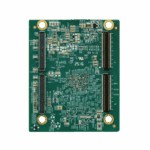
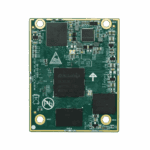
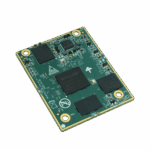
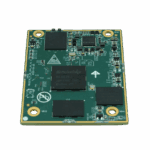
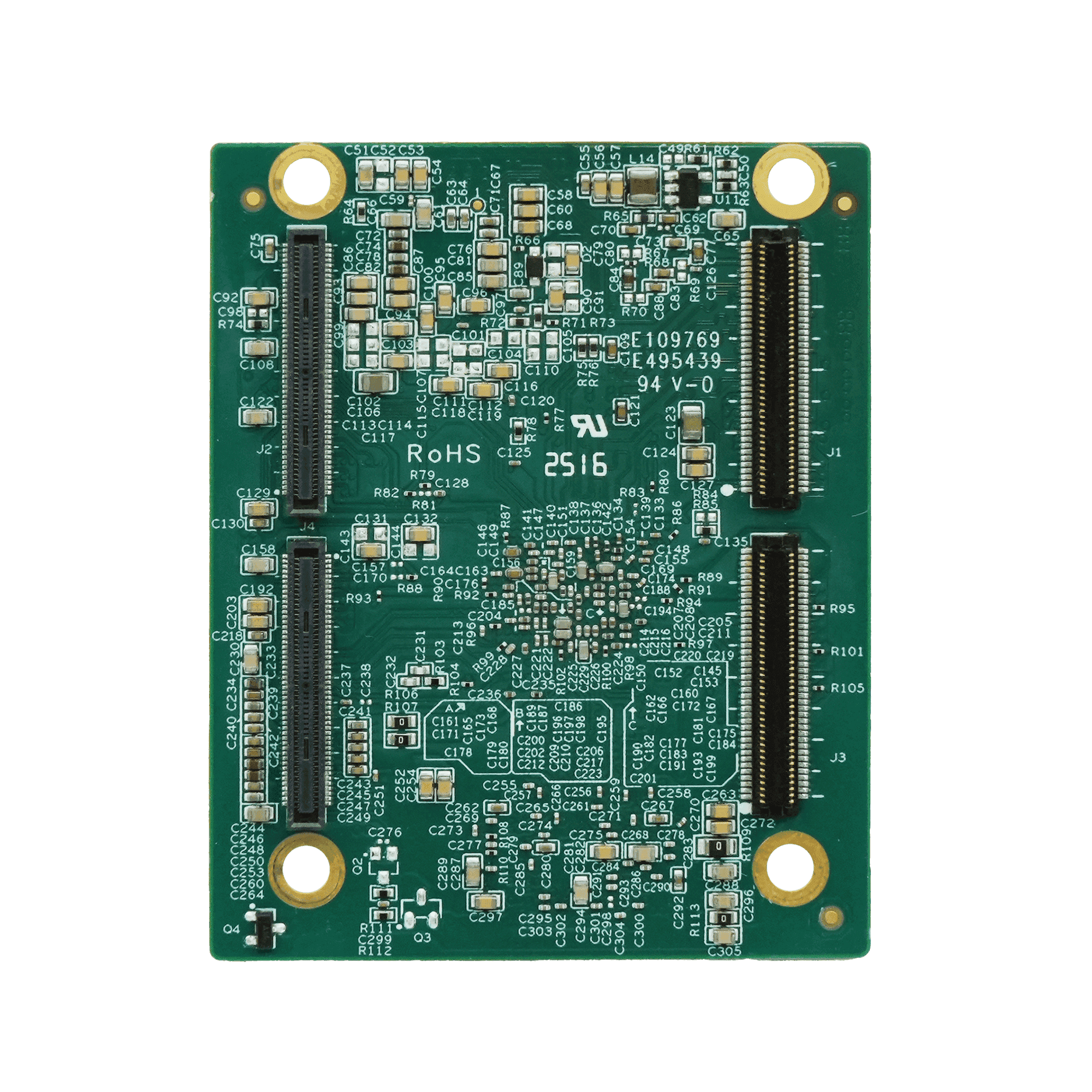
Hafif Endüstriyel Yapay Zeka Uç Bilgisayarı




-
Temel Teknik Özellikler
İşletim sistemi Android 14Endüstriyel Protokol Modbus RTU/TCP, EtherNet/IP, OPC UA, Mitsubishi MCUzaktan Yönetim InHand DeviceLive, HTTPS, SSHYapay zeka 6.0 TOPS INT8 NPUVideo Kodeği 8K@30 fps kod çözme, 4K@60 fps kodlamaBulut Platformu Bulut parametre yapılandırması, konteyner yönetimi, bellenim yönetimiİşlemci 4×A72 @ 2,3 GHz + 4×A53 @ 2,2 GHzBellek / Depolama 8 GB LPDDR4 / 256 GB UFSEkran Arayüzü HDMI/eDP/DSI/DP, üçlü bağımsız ekranBağlantı 2×GMAC, USB 3.2, CAN-FD, MIPI-CSI×5, UART×12Boyutlar (G × D × Y) 55 × 68 × 3 mm (2.17 × 2.68 × 0.12 in)Çalışma Sıcaklığı -40 °C ~ +85 °C (-40 °F ~ +185 °F)
-
Donanım Platformu
İşlemci 4 × ARM Cortex-A72 @ 2.3 GHz + 4 × ARM Cortex-A53 @ 2.2 GHzNPU 6.0 TOPS INT8, INT4/INT8/INT16/FP16/BF16/TF32'yi destekler.GPU ARM Mali-G52 MC3VPU Donanımsal Kodlama: H.264, H.265, 4K@60 fps; Donanımsal Kod Çözme: H.264, H.265, VP9, AV1, AVS2, 8K@30 fps veya 4K@120 fpsVeri deposu 8 GB LPDDR4ROM 256 GB UFS
-
Ekran Arayüzü
HDMI/eDP TX 1 × HDMI v2.1 / eDP v1.3 (çoklayıcı), 4K@120 Hz'e kadar; CEC, ARC, HDCP v2.3/v1.4 desteği; eDP, farklı içeriklere sahip 3 ekrana kadar destekler.MIPI DSI 1 × MIPI DSI-2 TX, D-PHY v2.0 (4 şerit) veya C-PHY v1.1 (3 üçlü), 2560 × 1600@60 Hz'e kadarParalel 1 × Paralel RGB/BT.656/BT.1120, 1920 × 1080@60 Hz'e kadarEBC 1 × E-ink EPD, 2560 × 1920 donanım kod çözme, 16 bit veri yolu, 32 seviyeye kadar gri tonlamaDP TX 1 × USB/DP birleşik bağlantı noktası, DisplayPort v1.4, 4K@120 Hz'e kadar, MST desteği, DP Alt özellikli USB Type-C, HDCP v2.3/v1.3
-
Kamera Arayüzü
MIPI-CSI 5 × CSI-2; 4 × 2 şeritli D-PHY v1.2 (şerit başına 2,5 Gbps, 2 × 4 şeritli olarak birleştirilebilir); 1 × 4 şeritli D-PHY v2.0 (şerit başına 4,5 Gbps) veya 3 C-PHY üçlüsü; Birlikte çalışan 5 kameraya kadar destekler.DVP 1 × 8/10/12/16 bit standart DVP, 150 MHz'e kadar veri girişi; BT.601/BT.656/BT.1120'yi destekler.
-
Ses
SAI ≤5; SAI 0/1, 4 TX hattı + 4 RX hattını destekler; SAI 2/3/4, 1 TX hattı + 1 RX hattını destekler; I2S/TDM/PCM modunu, 192 kHz'e kadar örnekleme hızını ve 16~32 bit'i destekler.Dijital Ses Kodeği 1; Her biri 3 karıştırma moduna sahip 2 × DAC'ı destekler; I2S/PCM master/slave modunu, 16 bit örnekleme hızını destekler; Ses kontrolünü destekler
-
Bağlantı
Ethernet ≤2 × GMAC, RGMII/RMII ile pin çıkışı, 10/100/1000 MbpsSDIO ≤2, SDIO v3.0, 4-bitUSB 3.2 2 (1 × Type-C, DP Alt modunu destekler; 1 × birleşik yüksek hızlı arayüz)USB 2.0 OTG 2UART ≤12, 64-bit FIFO for TX/RX; Supports 5/6/7/8-bit serial transceiving, up to 4 Mbps; All 12 UARTs support flow control and RS-485CAN-FD ≤2, CAN ve CAN-FD ile uyumlu; Standart ve genişletilmiş çerçeveleri destekler; 8192 bit FIFOSPI ≤5, ana ve yardımcı mod, her biri iki çip seçeneğini desteklerI2C ≤9, 7 bit ve 10 bit adres modları; Standart mod 100 kbps, HS modu 400 kbpsPWM ≤16, kesme işlemini destekler, yakalama modu
-
Güç
Giriş Gücü DC 5V
-
Mekanik
Boyutlar (G × D × Y) 55 × 68 × 3 mm (2.17 × 2.68 × 0.12 in)Paket Karttan karta bağlantı konektörü (4 × 100 pin, 0,4 mm aralık, toplam yükseklik 1,5 mm)Montaj Delikleri 4 × φ3,5 mm
-
Çevre
Çalışma Sıcaklığı -40 °C ~ +85 °C (-40 °F ~ +185 °F)
-
İşletim Sistemi
İşletim sistemi Android 14İşletim Sistemi Yükleme Yöntemi USB OTG
-
Veri Toplama Protokolü (DSA)
Endüstriyel Protokol Modbus RTU Master/Slave, Modbus TCP Master/Slave, EtherNet/IP, TCP Üzerinden ISO, OPC UA İstemci/Sunucu, Mitsubishi MC 3C/3E/3C TCP Üzerinden, Mitsubishi CPU Portu, FINS UDP, Host Link, PPIElektrik Protokolü DLT645-2007, IEC101/104, DNP3.0Diğer Protokol BACnet, CNC
-
Bakım ve Yönetim
Yükseltme Yöntemi Patentli yükseltme mekanizmasını, yerel veya uzaktan ürün yazılımı yükseltmesini destekler.Kayıt Yerel sistem günlüklerini, uzak günlükleri ve önemli günlüklerin güç kesintisi durumunda korunmasını destekler.Uzaktan Yönetim InHand DeviceLive, HTTP, HTTPS, SSH, vb.DeviceLive Cloud Bulut tabanlı parametre yapılandırmasını, konteyner yönetimini, uygulama ve bellenim yönetimini destekler.
Standart paket*
EC3576-C Geliştirme Kartı *1
* Standart paket içerikleri, standart sipariş kodlarına göre değişiklik gösterebilir.
İsteğe bağlı aksesuarlar
Güç Kaynağı *1
Bize Ulaşın Ambalaj seçeneklerimiz hakkında daha fazla bilgi edinmek için doğrudan iletişime geçin.
Teknik Özellikler
-
Temel Teknik Özellikler
İşletim sistemi Android 14Endüstriyel Protokol Modbus RTU/TCP, EtherNet/IP, OPC UA, Mitsubishi MCUzaktan Yönetim InHand DeviceLive, HTTPS, SSHYapay zeka 6.0 TOPS INT8 NPUVideo Kodeği 8K@30 fps kod çözme, 4K@60 fps kodlamaBulut Platformu Bulut parametre yapılandırması, konteyner yönetimi, bellenim yönetimiİşlemci 4×A72 @ 2,3 GHz + 4×A53 @ 2,2 GHzBellek / Depolama 8 GB LPDDR4 / 256 GB UFSEkran Arayüzü HDMI/eDP/DSI/DP, üçlü bağımsız ekranBağlantı 2×GMAC, USB 3.2, CAN-FD, MIPI-CSI×5, UART×12Boyutlar (G × D × Y) 55 × 68 × 3 mm (2.17 × 2.68 × 0.12 in)Çalışma Sıcaklığı -40 °C ~ +85 °C (-40 °F ~ +185 °F)
-
Donanım Platformu
İşlemci 4 × ARM Cortex-A72 @ 2.3 GHz + 4 × ARM Cortex-A53 @ 2.2 GHzNPU 6.0 TOPS INT8, INT4/INT8/INT16/FP16/BF16/TF32'yi destekler.GPU ARM Mali-G52 MC3VPU Donanımsal Kodlama: H.264, H.265, 4K@60 fps; Donanımsal Kod Çözme: H.264, H.265, VP9, AV1, AVS2, 8K@30 fps veya 4K@120 fpsVeri deposu 8 GB LPDDR4ROM 256 GB UFS
-
Ekran Arayüzü
HDMI/eDP TX 1 × HDMI v2.1 / eDP v1.3 (çoklayıcı), 4K@120 Hz'e kadar; CEC, ARC, HDCP v2.3/v1.4 desteği; eDP, farklı içeriklere sahip 3 ekrana kadar destekler.MIPI DSI 1 × MIPI DSI-2 TX, D-PHY v2.0 (4 şerit) veya C-PHY v1.1 (3 üçlü), 2560 × 1600@60 Hz'e kadarParalel 1 × Paralel RGB/BT.656/BT.1120, 1920 × 1080@60 Hz'e kadarEBC 1 × E-ink EPD, 2560 × 1920 donanım kod çözme, 16 bit veri yolu, 32 seviyeye kadar gri tonlamaDP TX 1 × USB/DP birleşik bağlantı noktası, DisplayPort v1.4, 4K@120 Hz'e kadar, MST desteği, DP Alt özellikli USB Type-C, HDCP v2.3/v1.3
-
Kamera Arayüzü
MIPI-CSI 5 × CSI-2; 4 × 2 şeritli D-PHY v1.2 (şerit başına 2,5 Gbps, 2 × 4 şeritli olarak birleştirilebilir); 1 × 4 şeritli D-PHY v2.0 (şerit başına 4,5 Gbps) veya 3 C-PHY üçlüsü; Birlikte çalışan 5 kameraya kadar destekler.DVP 1 × 8/10/12/16 bit standart DVP, 150 MHz'e kadar veri girişi; BT.601/BT.656/BT.1120'yi destekler.
-
Ses
SAI ≤5; SAI 0/1, 4 TX hattı + 4 RX hattını destekler; SAI 2/3/4, 1 TX hattı + 1 RX hattını destekler; I2S/TDM/PCM modunu, 192 kHz'e kadar örnekleme hızını ve 16~32 bit'i destekler.Dijital Ses Kodeği 1; Her biri 3 karıştırma moduna sahip 2 × DAC'ı destekler; I2S/PCM master/slave modunu, 16 bit örnekleme hızını destekler; Ses kontrolünü destekler
-
Bağlantı
Ethernet ≤2 × GMAC, RGMII/RMII ile pin çıkışı, 10/100/1000 MbpsSDIO ≤2, SDIO v3.0, 4-bitUSB 3.2 2 (1 × Type-C, DP Alt modunu destekler; 1 × birleşik yüksek hızlı arayüz)USB 2.0 OTG 2UART ≤12, 64-bit FIFO for TX/RX; Supports 5/6/7/8-bit serial transceiving, up to 4 Mbps; All 12 UARTs support flow control and RS-485CAN-FD ≤2, CAN ve CAN-FD ile uyumlu; Standart ve genişletilmiş çerçeveleri destekler; 8192 bit FIFOSPI ≤5, ana ve yardımcı mod, her biri iki çip seçeneğini desteklerI2C ≤9, 7 bit ve 10 bit adres modları; Standart mod 100 kbps, HS modu 400 kbpsPWM ≤16, kesme işlemini destekler, yakalama modu
-
Güç
Giriş Gücü DC 5V
-
Mekanik
Boyutlar (G × D × Y) 55 × 68 × 3 mm (2.17 × 2.68 × 0.12 in)Paket Karttan karta bağlantı konektörü (4 × 100 pin, 0,4 mm aralık, toplam yükseklik 1,5 mm)Montaj Delikleri 4 × φ3,5 mm
-
Çevre
Çalışma Sıcaklığı -40 °C ~ +85 °C (-40 °F ~ +185 °F)
-
İşletim Sistemi
İşletim sistemi Android 14İşletim Sistemi Yükleme Yöntemi USB OTG
-
Veri Toplama Protokolü (DSA)
Endüstriyel Protokol Modbus RTU Master/Slave, Modbus TCP Master/Slave, EtherNet/IP, TCP Üzerinden ISO, OPC UA İstemci/Sunucu, Mitsubishi MC 3C/3E/3C TCP Üzerinden, Mitsubishi CPU Portu, FINS UDP, Host Link, PPIElektrik Protokolü DLT645-2007, IEC101/104, DNP3.0Diğer Protokol BACnet, CNC
-
Bakım ve Yönetim
Yükseltme Yöntemi Patentli yükseltme mekanizmasını, yerel veya uzaktan ürün yazılımı yükseltmesini destekler.Kayıt Yerel sistem günlüklerini, uzak günlükleri ve önemli günlüklerin güç kesintisi durumunda korunmasını destekler.Uzaktan Yönetim InHand DeviceLive, HTTP, HTTPS, SSH, vb.DeviceLive Cloud Bulut tabanlı parametre yapılandırmasını, konteyner yönetimini, uygulama ve bellenim yönetimini destekler.
İndirmeler
Sipariş verme
Standart paket*
EC3576-C Geliştirme Kartı *1
* Standart paket içerikleri, standart sipariş kodlarına göre değişiklik gösterebilir.
İsteğe bağlı aksesuarlar
Güç Kaynağı *1
Bize Ulaşın Ambalaj seçeneklerimiz hakkında daha fazla bilgi edinmek için doğrudan iletişime geçin.
DeviceLive
IoT Cihaz Yönetim Platformu
Endüstriyel işletmelerin akıllı uç ağlar oluşturmasına yardımcı olmak için cihaz yönetimi, uzaktan izleme, uç uygulama yönetimi ve uzaktan bakım hizmetleri sunuyoruz.
DeviceLive
Sıkça Sorulan Sorular
EC3576-C ne sunuyor?
EC3576-C bir Modül Üzerinde Yapay Zeka Sistemi (SoM) üzerine inşa edilmiş Rockchip RK3576J Endüstriyel ve ticari uç yapay zeka uygulamaları için müşteri tarafından tasarlanmış bir taşıyıcı karta entegre edilmek üzere tasarlanmış SoC. Başlıca özellikler:
| — | — |
| Hesapla | 4 adet Cortex-A72 @ 2,3 GHz + 4 adet Cortex-A53 @ 2,2 GHz; 6-TOPS NPU (INT4/INT8/INT16/FP16/BF16/TF32); ARM Mali-G52 MC3 GPU |
| Hafıza | 8 GB LPDDR4 RAM, 256 GB UFS depolama |
| İşletim sistemi | Android 14 (USB OTG üzerinden yüklendi) |
| Görüntülemek | Kadar 3 eş zamanlı ekran HDMI 2.1 / eDP 1.3 / MIPI DSI-2 / Paralel / DP 1.4 / EBC (e-ink) üzerinden farklı içeriklerle |
| Kamera | 5× MIPI CSI-2 + 1× DVP |
| Bağlantı | 2× GbE, USB 3.2, USB 2.0 OTG, CAN-FD, PCIe 2.1 |
| Şekil faktörü | 4 adet 100 pinli karttan karta bağlantı konektörü (0,4 mm aralık, 1,5 mm toplam yükseklik) |
| Güç / sıcaklık | DC 5 V; -40 ila +85 °C endüstriyel seri |
Teknik özellikler sayfasında belirtilen hedef uygulamalar: uç bilişim, akıllı terminaller, endüstriyel kontrol, HMI, multimedya etkileşimi, görsel yapay zeka. InHand ile uyumludur. DSA veri toplama çerçevesi ve DeviceLive Bulut platformu devreye alındıktan sonra.
EC3576-C nasıl devreye alınır?
EC3576-C, bağımsız bir cihaz değil, bir modüldür; dört adet 100 pinli karttan karta bağlantı konektörü (0,4 mm aralık, 1,5 mm toplam yükseklik) aracılığıyla müşteri tarafından tasarlanmış bir taşıyıcı karta entegre edilmek üzere tasarlanmıştır. Güç girişi DC 5 V'tur. İşletim sistemi flaşlama işlemi şu şekilde gerçekleştirilir: USB OTG.
EC3576-C hangi taşıyıcı kart arayüzlerini kullanıma sunuyor?
EC3576-C, taşıyıcı karta aşağıdaki arayüzleri sunar:
- Ethernet: 2 Gigabit'e kadar (GMAC, RGMII/RMII)
- USB BAĞLANTI: 2 adet USB 3.2 (1 adet USB/DP Alt özellikli Type-C, 1 adet yüksek hızlı kombinasyon) ve 2 adet USB 2.0 OTG
- PCIe: PCIe 2.1
- Kamera: 5 × MIPI CSI-2 + 1 × DVP (8/10/12/16 bit)
- Görüntülemek: HDMI 2.1, eDP 1.3, MIPI DSI-2, Paralel (RGB/BT.656/BT.1120), DP 1.4, EBC (e-mürekkep, 32 gri tonlamalı) aracılığıyla 3 adede kadar eşzamanlı
- Endüstriyel / seri: 2 adede kadar CAN-FD, 12 adede kadar UART (tümü RS-485 uyumlu), 5 adede kadar SPI, 9 adede kadar I²C, 2 adede kadar SDIO 3.0, 16 adede kadar PWM
- Ses: 5 adede kadar SAI/I²S + dijital ses kodeği (2× DAC)
EC3576-C ile EC3588-C'nin karşılaştırması nasıl?
| EC3576-C | EC3588-C | |
| — | — | — |
| İşletim sistemi | Android 14 | Linux |
| SoC | RK3576J | RK3588 (8 nm amiral gemisi) |
| İşlemci | 4× A72 + 4× A53 | 4× A76 + 4× A55 |
| GPU | Mali-G52 MC3 | Mali-G610 MP4 (OpenGL ES 3.2, OpenCL 2.2, Vulkan 1.2) |
| NPU | 6 ÜST | 6 TOPS (üç çekirdekli) |
| RAM / Depolama | 8 GB LPDDR4 / 256 GB UFS | 16 GB LPDDR4 / 64 GB eMMC |
| HDMI çıkışı | 4K@120 Hz'e kadar | kadar 8K@60 Hz |
| HDMI girişi | — | HDMI 2.0 RX |
| PCIe | PCIe 2.1 | PCIe 3.0 (2 kontrolcü, 1×4 olarak yapılandırılabilir) + PCIe 2.0 (≤3) |
| Güç girişi | DC 5 V | DC 4 V |
| Çalışma sıcaklığı | -40 ila +85 °C | 0 ila +80 °C |
Seçin EC3576-C uygulama hedeflediğinde Android (HMI, kiosklar, multimedya/ekran tabanlı iş yükleri), daha geniş endüstriyel sıcaklık aralığına ihtiyaç duyuyor veya daha fazla dahili depolama alanı istiyor. Şunlardan birini seçin: EC3588-C uygulama hedeflediğinde LinuxDaha yüksek CPU/GPU performansı, 8K çıkış, HDMI yakalama veya PCIe 3.0 genişletme bant genişliği gerektirir.