


EC312-LoRaWAN
Programmierbar
LoRaWAN-Gateway
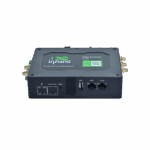
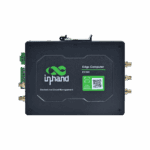
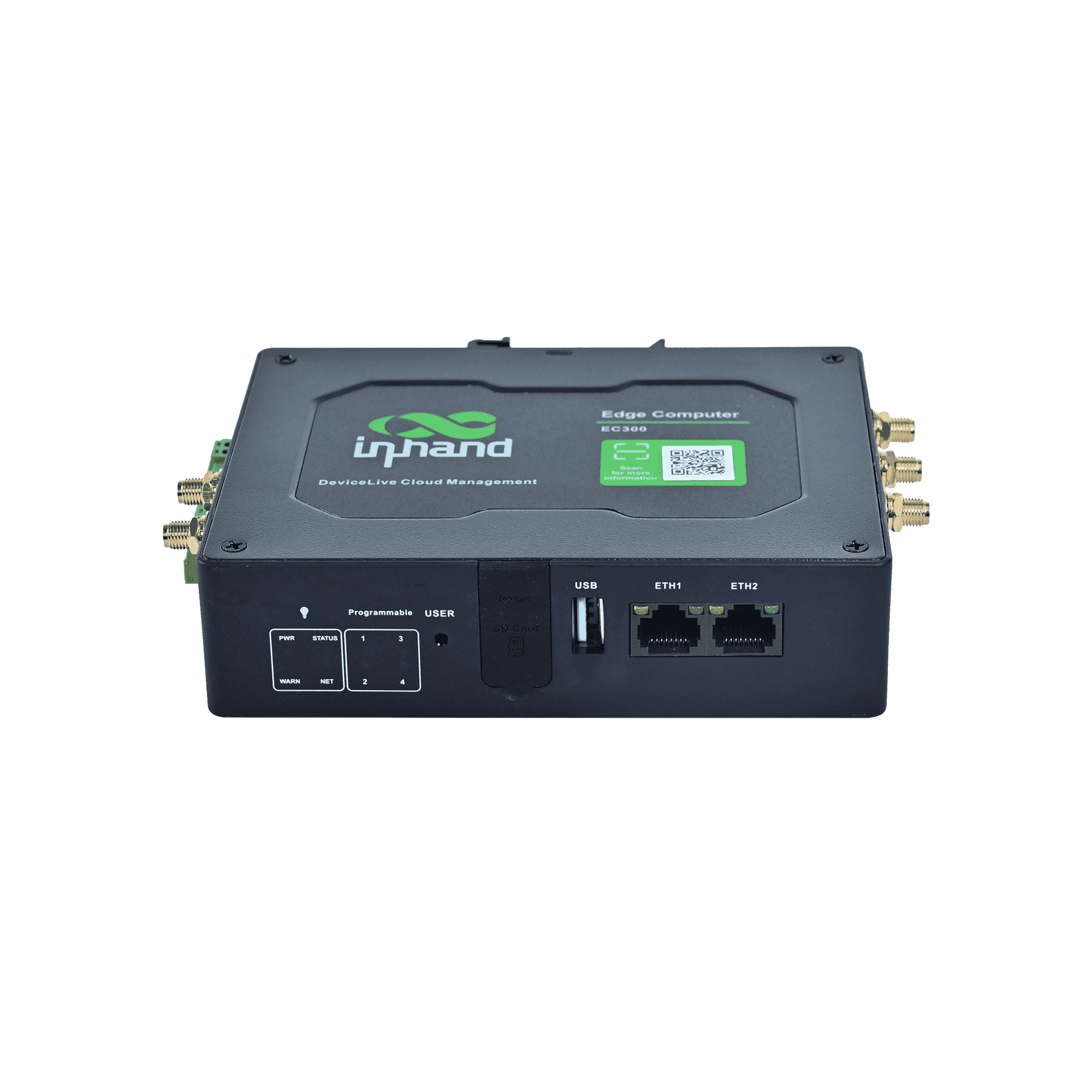
Das EC312-LoRaWAN ist ein programmierbares industrielles LoRaWAN-Gateway auf Basis des SX1302 mit integriertem LNS. Die integrierte DSA mit über 80 industriellen Protokollen vereint LoRaWAN-Konnektivität und industrielle Datenerfassung.
EC312-LoRaWAN
Programmierbar
LoRaWAN-Gateway
Das EC312-LoRaWAN ist ein programmierbares industrielles LoRaWAN-Gateway auf Basis des SX1302 mit integriertem LNS. Die integrierte DSA mit über 80 industriellen Protokollen vereint LoRaWAN-Konnektivität und industrielle Datenerfassung.
QSG-VIDEO
Integriertes LNS für den schnellen Aufbau privater Netzwerke




-
Technische Kernspezifikationen
Offene Plattform Debian 11 + Docker, Cloud-Integration für AWS/Azure/AliCloudLoRaWAN-Fähigkeit SX1302, 8-Kanal-Halbduplex, bis zu 2000 KnotenGeräteverwaltung Web-/Telnet-/SSH-, FOTA-/DFOTA-, lokale/Remote-Protokolle, DeviceLive-FernoperationenNetzwerkfunktionen ARP/Ethernet, statische IP/DHCP, ICMP, DNS, TCP/UDP, statisches RoutingSicherheit Multi-level user roles, firewall, OpenVPN, IPsec VPNAbmessungen (B x T x H) 145 × 106 × 36 mm (5.71 × 4.17 × 1.42 in)Gewicht 339 g (0.75 lb)Mobilfunkzugang LTE Cat.1, APN/VPDN, CHAP/PAPSchnittstellen 2xFE, 1xRS-232/485 + 1xRS-485, USB2.0 Type-A, Nano-SIM x2Leistungsaufnahme 9 bis 48 V GleichstromBetriebstemperatur -20 °C ~ 70 °C (-4 °F ~ 158 °F)Schutz und Zertifizierungen IP30, CE/FCC/IC/PTCRB
-
Hardwareplattform
CPU ARM Cortex-A53 @ 1,4 GHzRAM 1 GB DDR4BLITZ 8 GB eMMC
-
LoRaWAN-Leistung
LoRaWAN-Basisband-Chip Semtech SX1302Kanal 8, DoppelhaushälfteFrequenz RU864/IN865/EU868/US915/AU915/KR920/AS923/CN470Maximale EIRP 27 dBmEmpfängerempfindlichkeit -140 dBm (125 kHz/SF12)Knotenkapazität Bis zu 2.000 KnotenKommunikationsreichweite 2 km NLOS / 15 km LOS (abhängig von Umgebung und Antenneninstallation)
-
Konnektivität & Schnittstellen
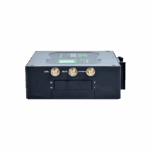
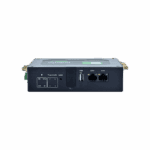
Ethernet-Anschlüsse 2 x 10/100 Mbps FESerielle Schnittstellen 1 x RS-232/485 + 1 x RS-485 (isoliert)SIM-Karteninhaber Nano-SIM x2Antennenanschlüsse LTE: SMA x1, Wi-Fi: SMA x1, GPS: SMA x1, LoRaWAN: SMA x1 (nordamerikanisches LTE-Modell: SMA x2)USB USB 2.0 Typ-ATasten 1x Reset-Taste mit Lochblende; 1x programmierbare TastemicroSD card microSD support, up to 32GB expansionLED-Anzeigen PWR, STATUS, WARN, NET, USER x4W-lan Wi-Fi STA (802.11ac/a/b/g/n, 2,4/5 GHz)Bluetooth BLE 4.2GPS GPS-Satellitenortung, 1 x SMA
-
Leistung und Stromverbrauch
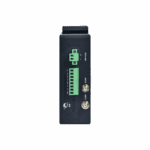
Leistungsaufnahme 9 bis 48 V GleichstromStromschnittstelle DC-Anschlussklemme (industrieller Klemmenblock)Schutz vor Stromausfall Nach Stromausfall 20 Sekunden lang gedrückt halten (sicheres Herunterfahren).Stromausfallalarm Alarm bei Stromausfall
-
Mechanische Spezifikationen
Produktabmessungen 145 × 106 × 36 mm (5.71 × 4.17 × 1.42 in)Produktgewicht 339 g (0.75 lb)Montageart Einbau in Schalttafeln / DIN-SchienenmontageSchutzklasse IP30Gehäuse & Wärmeableitung Gehäuse aus Metall und Kunststoff, lüfterloses DesignRTC Unterstützung (Knopfzellenbatterie-Backup)Hardware-Überwachung UnterstütztTPM TPM 2.0
-
Umwelt & Zertifizierungen
Lagertemperatur -40 to 85 ℃ (-40 °F ~ 185 °F)Betriebstemperatur -20 to 70 ℃ (-4 °F ~ 158 °F)Umgebungsfeuchtigkeit 5 bis 95% RH (nicht kondensierend)Physikalische Eigenschaften IEC60068-2-27 shock resistance IEC60068-2-6 vibration resistance IEC60068-2-32 drop resistanceEMV-Standard EN61000-4-2, level 3, Static EN61000-4-3, level 3, Radiation Electric Field EN61000-4-4, level 3, Pulsed Electric Field EN61000-4-5, level 3, Surge EN61000-4-6, level 3, Conducted Distubance Immunity EN61000-4-8, Power Frequency Field Resistance, horizontal / vertical 400A/m (>level 2) EN61000-4-12,level 3,Shock Wave ResistanceZertifizierungen CE, FCC, IC, PTCRB
-
Betriebssystem
Betriebssystem Debian 11 (Kernel 5.10.168)
-
LoRaWAN
LoRaWAN LNS Integrierter LoRaWAN-Netzwerkserver, kompatibel mit The Things Stack und ChirpStackLoRaWAN-Protokoll LoRaWAN 1.0/1.0.2, Klasse A/B/C
-
Netzwerkfunktionen
Netzwerktyp LTE Cat.1Netzwerkzugriff APN, VPDNZugriffsauthentifizierung CHAP, PAPWAN-Protokolle Statische IP-Adresse, DHCPLAN-Protokolle ARP, EthernetIP-Anwendungen ICMP, DNS, TCP/UDP, TCP-Server, DHCPIP-Routing Statisches Routing
-
Sicherheit
Sicherer Boot UnterstütztVertrauenszone TrustZone unterstütztNetzwerksicherheit FirewallDatensicherheit OpenVPN, IPsec VPNBenutzerverwaltung Mehrstufige Benutzerrollen / Verwaltungsrechte
-
Zuverlässigkeit
Linkerkennung Herzschlagbasierte Verbindungserkennung mit automatischer WiederverbindungEingebauter Wachhund Eingebetteter WachhundDual-SIM Switchover Unterstützt
-
Offene Plattform & Datenerfassungsprotokolle (DSA)
Sekundäre Entwicklungsumgebung Entwicklungsplattform für mehrere ProgrammiersprachenZugriff auf die Cloud-Plattform AWS, Azure, Ali und andere Cloud-PlattformenDocker UnterstütztIndustrieprotokolle Modbus RTU Master/Slave, Modbus TCP Master/Slave, EtherNet/IP, ISO über TCP, OPC UA Client/Server, Mitsubishi MC 3C/3E/3C über TCP, Mitsubishi CPU-Port, FINSUDP, HostLink, PPI, DLT645-2007, IEC104-Server
-
Netzwerkmanagement
Konfigurationsmethode Web / Telnet / SSHUpgrade-Methode Web, FOTA, DFOTAProtokollierungsfunktionen Unterstützung für lokale Systemprotokolle, Remote-Protokolle und die automatische Speicherung wichtiger Protokolle beim AusschaltenKonfigurationssicherung Import/Export von KonfigurationsdateienFernverwaltung InHand DeviceLive oder HTTP / HTTPS / Telnet / SSHPlattformfunktion Unterstützt cloudbasierte Parameterkonfiguration, Containerverwaltung, Anwendungs- und Firmwareverwaltung
Standardpaket*
- EC312-LoRaWAN Gateway *1
- 4G-Antenne *1
- Wi-Fi-Antenne *1
- GNSS-Antenne *1
- LoRaWAN-Antenne *1
- Ethernet-Kabel *1
* Der Standardpaketinhalt variiert je nach Standardbestellcode.
Optionales Zubehör
- Netzteil *1
- Panel-Montagesatz *1
Kontaktieren Sie uns Um mehr über unsere Verpackungsoptionen zu erfahren, wenden Sie sich bitte direkt an uns.
Spezifikationen
-
Technische Kernspezifikationen
Offene Plattform Debian 11 + Docker, Cloud-Integration für AWS/Azure/AliCloudLoRaWAN-Fähigkeit SX1302, 8-Kanal-Halbduplex, bis zu 2000 KnotenGeräteverwaltung Web-/Telnet-/SSH-, FOTA-/DFOTA-, lokale/Remote-Protokolle, DeviceLive-FernoperationenNetzwerkfunktionen ARP/Ethernet, statische IP/DHCP, ICMP, DNS, TCP/UDP, statisches RoutingSicherheit Multi-level user roles, firewall, OpenVPN, IPsec VPNAbmessungen (B x T x H) 145 × 106 × 36 mm (5.71 × 4.17 × 1.42 in)Gewicht 339 g (0.75 lb)Mobilfunkzugang LTE Cat.1, APN/VPDN, CHAP/PAPSchnittstellen 2xFE, 1xRS-232/485 + 1xRS-485, USB2.0 Type-A, Nano-SIM x2Leistungsaufnahme 9 bis 48 V GleichstromBetriebstemperatur -20 °C ~ 70 °C (-4 °F ~ 158 °F)Schutz und Zertifizierungen IP30, CE/FCC/IC/PTCRB
-
Hardwareplattform
CPU ARM Cortex-A53 @ 1,4 GHzRAM 1 GB DDR4BLITZ 8 GB eMMC
-
LoRaWAN-Leistung
LoRaWAN-Basisband-Chip Semtech SX1302Kanal 8, DoppelhaushälfteFrequenz RU864/IN865/EU868/US915/AU915/KR920/AS923/CN470Maximale EIRP 27 dBmEmpfängerempfindlichkeit -140 dBm (125 kHz/SF12)Knotenkapazität Bis zu 2.000 KnotenKommunikationsreichweite 2 km NLOS / 15 km LOS (abhängig von Umgebung und Antenneninstallation)
-
Konnektivität & Schnittstellen
Ethernet-Anschlüsse 2 x 10/100 Mbps FESerielle Schnittstellen 1 x RS-232/485 + 1 x RS-485 (isoliert)SIM-Karteninhaber Nano-SIM x2Antennenanschlüsse LTE: SMA x1, Wi-Fi: SMA x1, GPS: SMA x1, LoRaWAN: SMA x1 (nordamerikanisches LTE-Modell: SMA x2)USB USB 2.0 Typ-ATasten 1x Reset-Taste mit Lochblende; 1x programmierbare TastemicroSD card microSD support, up to 32GB expansionLED-Anzeigen PWR, STATUS, WARN, NET, USER x4W-lan Wi-Fi STA (802.11ac/a/b/g/n, 2,4/5 GHz)Bluetooth BLE 4.2GPS GPS-Satellitenortung, 1 x SMA
-
Leistung und Stromverbrauch
Leistungsaufnahme 9 bis 48 V GleichstromStromschnittstelle DC-Anschlussklemme (industrieller Klemmenblock)Schutz vor Stromausfall Nach Stromausfall 20 Sekunden lang gedrückt halten (sicheres Herunterfahren).Stromausfallalarm Alarm bei Stromausfall
-
Mechanische Spezifikationen
Produktabmessungen 145 × 106 × 36 mm (5.71 × 4.17 × 1.42 in)Produktgewicht 339 g (0.75 lb)Montageart Einbau in Schalttafeln / DIN-SchienenmontageSchutzklasse IP30Gehäuse & Wärmeableitung Gehäuse aus Metall und Kunststoff, lüfterloses DesignRTC Unterstützung (Knopfzellenbatterie-Backup)Hardware-Überwachung UnterstütztTPM TPM 2.0
-
Umwelt & Zertifizierungen
Lagertemperatur -40 to 85 ℃ (-40 °F ~ 185 °F)Betriebstemperatur -20 to 70 ℃ (-4 °F ~ 158 °F)Umgebungsfeuchtigkeit 5 bis 95% RH (nicht kondensierend)Physikalische Eigenschaften IEC60068-2-27 shock resistance IEC60068-2-6 vibration resistance IEC60068-2-32 drop resistanceEMV-Standard EN61000-4-2, level 3, Static EN61000-4-3, level 3, Radiation Electric Field EN61000-4-4, level 3, Pulsed Electric Field EN61000-4-5, level 3, Surge EN61000-4-6, level 3, Conducted Distubance Immunity EN61000-4-8, Power Frequency Field Resistance, horizontal / vertical 400A/m (>level 2) EN61000-4-12,level 3,Shock Wave ResistanceZertifizierungen CE, FCC, IC, PTCRB
-
Betriebssystem
Betriebssystem Debian 11 (Kernel 5.10.168)
-
LoRaWAN
LoRaWAN LNS Integrierter LoRaWAN-Netzwerkserver, kompatibel mit The Things Stack und ChirpStackLoRaWAN-Protokoll LoRaWAN 1.0/1.0.2, Klasse A/B/C
-
Netzwerkfunktionen
Netzwerktyp LTE Cat.1Netzwerkzugriff APN, VPDNZugriffsauthentifizierung CHAP, PAPWAN-Protokolle Statische IP-Adresse, DHCPLAN-Protokolle ARP, EthernetIP-Anwendungen ICMP, DNS, TCP/UDP, TCP-Server, DHCPIP-Routing Statisches Routing
-
Sicherheit
Sicherer Boot UnterstütztVertrauenszone TrustZone unterstütztNetzwerksicherheit FirewallDatensicherheit OpenVPN, IPsec VPNBenutzerverwaltung Mehrstufige Benutzerrollen / Verwaltungsrechte
-
Zuverlässigkeit
Linkerkennung Herzschlagbasierte Verbindungserkennung mit automatischer WiederverbindungEingebauter Wachhund Eingebetteter WachhundDual-SIM Switchover Unterstützt
-
Offene Plattform & Datenerfassungsprotokolle (DSA)
Sekundäre Entwicklungsumgebung Entwicklungsplattform für mehrere ProgrammiersprachenZugriff auf die Cloud-Plattform AWS, Azure, Ali und andere Cloud-PlattformenDocker UnterstütztIndustrieprotokolle Modbus RTU Master/Slave, Modbus TCP Master/Slave, EtherNet/IP, ISO über TCP, OPC UA Client/Server, Mitsubishi MC 3C/3E/3C über TCP, Mitsubishi CPU-Port, FINSUDP, HostLink, PPI, DLT645-2007, IEC104-Server
-
Netzwerkmanagement
Konfigurationsmethode Web / Telnet / SSHUpgrade-Methode Web, FOTA, DFOTAProtokollierungsfunktionen Unterstützung für lokale Systemprotokolle, Remote-Protokolle und die automatische Speicherung wichtiger Protokolle beim AusschaltenKonfigurationssicherung Import/Export von KonfigurationsdateienFernverwaltung InHand DeviceLive oder HTTP / HTTPS / Telnet / SSHPlattformfunktion Unterstützt cloudbasierte Parameterkonfiguration, Containerverwaltung, Anwendungs- und Firmwareverwaltung
Downloads
Bestellung
Standardpaket*
- EC312-LoRaWAN Gateway *1
- 4G-Antenne *1
- Wi-Fi-Antenne *1
- GNSS-Antenne *1
- LoRaWAN-Antenne *1
- Ethernet-Kabel *1
* Der Standardpaketinhalt variiert je nach Standardbestellcode.
Optionales Zubehör
- Netzteil *1
- Panel-Montagesatz *1
Kontaktieren Sie uns Um mehr über unsere Verpackungsoptionen zu erfahren, wenden Sie sich bitte direkt an uns.
DeviceLive
IoT-Geräteverwaltungsplattform
Gerätemanagement, Fernüberwachung, Edge-App-Management und Fernwartung helfen Industrieunternehmen beim Aufbau intelligenter Edge-Netzwerke.
DeviceLive
Ähnliche Fälle
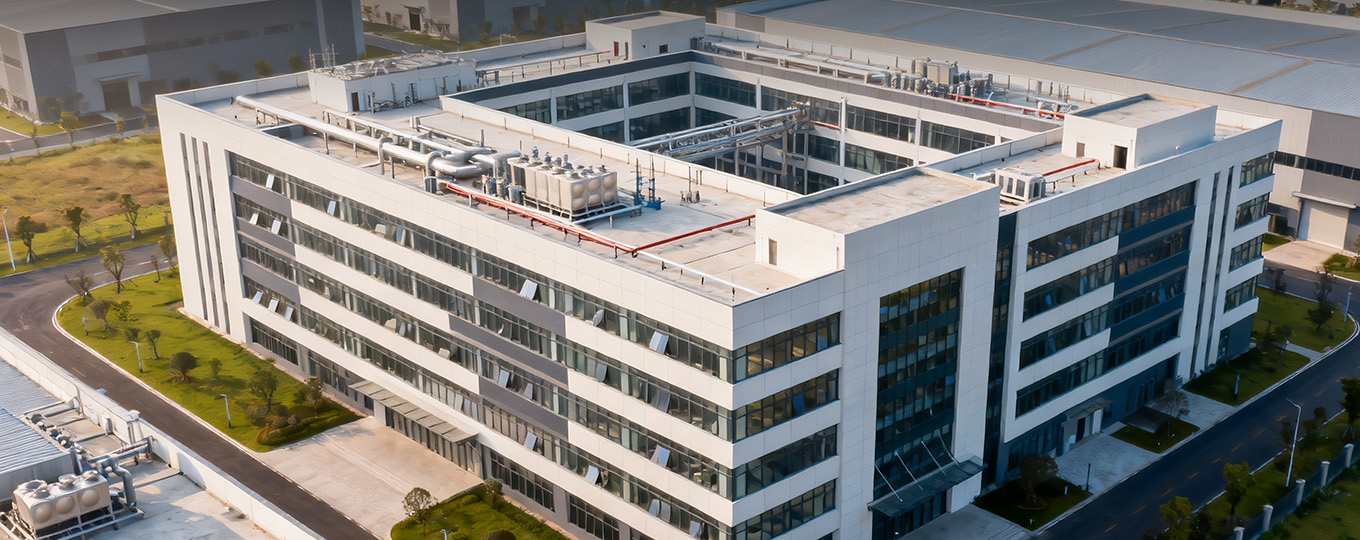
Smart Building Energy and O&M Management Solution
InHand’s EC312 LoRaWAN gateway enables smart building energy management with large-scale sensor…
Mehr erfahren →
Smart Factory Energy and Safety Monitoring Solution
InHand's EC312 LoRaWAN gateway enables wireless factory energy and safety monitoring with…
Mehr erfahren →Häufig gestellte Fragen
Was bietet das EC312-LoRaWAN-Gateway?
Der EC312-LoRaWAN ist ein industrieller LoRaWAN-Konzentrator – ein Gateway, das den Datenverkehr von LoRa-Endknoten aggregiert und an einen Netzwerkserver (integriert oder extern) weiterleitet. Highlights:
| — | — |
| LoRa-Funkgerät | Semtech SX1302, 8-Kanal-Halbduplex, max. EIRP 27 dBm, Empfindlichkeit −140 dBm (125 kHz / SF12) |
| Kapazität / Abdeckung | 2.000 Knoten; 15 km Sichtlinie / 2 km Nicht-Sichtlinie (abhängig von Umgebung und Antenne) |
| LoRaWAN-Protokoll | LoRaWAN 1.0 / 1.0.2Klasse A / B / C |
| Netzwerkserver | Eingebauter ChirpStack LNS, oder Paketweiterleitung (UDP / MQTT) an externe Netzwerkserver (z. B. The Things Stack) |
| Compute / OS | ARM Cortex-A53 @ 1,4 GHz, 1 GB DDR4, 8 GB eMMC, Debian 11 + IEOS-Webverwaltung |
| Mobilfunk / drahtlos | LTE Cat 1 (Dual-Nano-SIM mit Failover), Wi-Fi 802.11ac (STA-Modus), BLE 4.2, GPS |
| Kabelgebundenes Netzwerk | 2× 10/100 Mbps Ethernet (unabhängige IPs) |
| Industrielle E/A | 1× RS-232/485 (isoliert) + 1× RS-485 (isoliert), 1× USB 2.0, microSD bis zu 32 GB |
| Sicherheit | TPM 2.0Sicherer Systemstart, TrustZone, OpenVPN/IPSec, Firewall, mehrstufige Benutzerverwaltung |
| Datenerfassung | DSA — Modbus RTU/TCP, EtherNet/IP, OPC UA, Mitsubishi MC, FINS/UDP, DLT645-2007, IEC101/104, etc. |
| Stromversorgungssicherheit | Gleichstrom 9–48 V; Superkondensator – sichere Abschaltung nach 20 Sekunden bei Stromausfall; Hardware-Überwachung |
| Wolke | InHand DeviceLive (automatische Registrierung) für Fernüberwachung, Konfiguration und Containerverwaltung |
| Formfaktor | 145 × 106 × 36 mm, 339 g, Metall + Kunststoff, lüfterlos, DIN-Schienen- oder Schalttafelmontage, IP30 |
| Umfeld | Betriebstemperatur: -20 bis +70 °C |
| Zertifizierungen | CE, FCC, IC, PTCRB |
Vier Artikelnummern (ausgewählt nach Mobilfunkregion und LoRa-Frequenzplan):
| Artikelnummer | Mobilfunk | LoRa-Frequenzplan | Region |
| — | — | — | — |
EC312-H-FQ53-L868 | EMEA Kat. 1 | EU868 | EMEA |
EC312-H-FQ33-L915 | NA Kat. 1 | US915 / AS923 | Nordamerika |
EC312-H-FQ53-L915 | EMEA Kat. 1 | US915 / AS923 | EMEA exportiert nach Nordamerika/APAC |
EC312-H-LQA3-L470 | China Kat. 1 | CN470 | China |
> Notiz: Nordamerikanische Modelle verwenden 2× SMA für die LTE-Antenne (Haupt- + Diversity-Anschluss); in anderen Regionen wird 1× SMA verwendet.
Zielanwendungen laut Datenblatt: Smart City (Gebäude-/Beleuchtungsmanagement), Smart Manufacturing (Überwachung/vorausschauende Wartung), Smart Energy (Fernstart von Windkraftanlagen), Smart Agriculture (Umweltüberwachung, Bewässerung).
Wie installiere und greife ich auf das EC312-LoRaWAN-Gateway zu?
- Montieren an einer 35 mm DIN-Schiene oder -Platte mit Hilfe der mitgelieferten Halterung.
- Antennen anschließen an den SMA-Anschlüssen: 1× LoRaWAN, 1× LTE (bzw. 2× für NA-Modelle), 1× Wi-Fi, 1× GPS/GNSSDie Platzierung der LoRaWAN-Antenne bestimmt die Reichweite – sie sollte erhöht und frei von metallischen Hindernissen angebracht werden.
- SIM-Karte(n) einlegen in die beiden Nano-SIM-Steckplätze, falls Mobilfunk benötigt wird.
- Stromanschluss an den DC-Anschluss (9–48 V). Der Superkondensator aktiviert sich beim ersten Laden; fällt die externe Stromversorgung anschließend aus, schaltet sich das Gateway innerhalb von ca. 20 Sekunden sicher ab und löst einen Stromausfallalarm aus.
- Schließen Sie einen PC an. via Ethernet — ETH1 Standardwert
192.168.3.100, ETH2 Standardwert192.168.4.100Weisen Sie Ihrem PC-Adapter eine statische IP-Adresse im entsprechenden Subnetz zu (z. B.192.168.4.x). - Öffnen Sie einen Browser Zu
https://192.168.4.100:9100(Nur HTTPS auf Port 9100; automatische HTTP-Weiterleitungen). Melden Sie sich mit Ihrem Benutzernamen an.admund das auf dem Typenschild des Geräts aufgedruckte Passwort.
Für den Zugriff ohne grafische Oberfläche/mit Shell stellen Sie eine SSH-Verbindung zur selben IP-Adresse wie der Benutzer her. Rand (Passwort auf dem Namensschild). Wurzel Das Konto ist für SSH deaktiviert; verwenden Sie sudo -s Eskalation. IEOS ist für die Netzwerkverwaltung zuständig – führen Sie keine nativen Linux-Netzwerkbefehle aus, während IEOS läuft, oder beenden Sie es zuerst mit systemctl stop ieos_daemon .
Überprüfen Sie den Status anhand der LEDs an der Vorderseite: PWR (rot, leuchtet immer, wenn das Gerät eingeschaltet ist), STATUS (gelb, blinkt im Normalbetrieb), NETTO (grünes Dauerlicht = Netzwerkverbindung, blinkendes Licht = Wählvorgang).
Wie konfiguriere ich LoRaWAN – Paketweiterleitung oder den integrierten ChirpStack?
In der IEOS-Weboberfläche bietet die LoRaWAN-Seite drei Modi: Aus, Paketweiterleitung, oder Eingebauter Netzwerkserver.
Paketweiterleitung (an einen externen NS):
- UDP — Geben Sie bis zu 5 NS-Serveradressen + Port ein; konfigurierbares Keepalive-Intervall (Standard 10 s) und maximale Anzahl an Keepalive-Fehlern; wählen Sie aus, welche CRC-Ergebnisse weitergeleitet werden sollen (CRC OK standardmäßig aktiviert; CRC ungültig / fehlend standardmäßig deaktiviert).
- MQTT — Geben Sie Broker-IP-Adresse, Port, Client-ID, optionalen Benutzernamen/Passwort und TLS (CA oder selbstsigniert) ein; wählen Sie das Datenformat JSON oder Binär (Protobuf) und QoS; das Themenpräfix wird den Standardeinstellungen vorangestellt.
gateway/{{gateway_dev_eui}}/event/upUnd.../stats.
Eingebauter Netzwerkserver (ChirpStack):
- Die Region ist durch das Modell festgelegt (nur Anzeige). Frequenzplan zum Endknoten und zum NS. Konfigurieren ADR, Minimale/Maximale Sende-Datenrate, Rx1 Verzögerung (1–15 s), RX1-Datenratenversatz, Und RX2 Frequenz / Datenrate.
- Der lokale MQTT-Integrationsbroker läuft unter
127.0.0.1:9121(Referenzen)Träger/mqtt@carrier). MQTT-Themen folgen dem Standardmuster von ChirpStack:application/{{app_id}}/device/{{dev_eui}}/up,.../runter,.../verbinden,.../txack,.../Status.
ChirpStack-Einrichtungsprozess:
- Von der IEOS LoRaWAN-Seite → Eingebautes LNS → Gehen Sie zur Seite „Netzwerkserver verwalten“..
- Mit den Standardanmeldeinformationen anmelden
Administrator/AdministratorUnd Ändern Sie sie sofort. - Gateway hinzufügen — Die Gateway-EUI wird auf der IEOS-Übersichtsstatusseite angezeigt.
- Geräteprofil hinzufügen — MAC-Version und regionale Parameter gemäß Endknotenspezifikation festlegen.
- Anwendung hinzufügen — generiert eine Anwendungs-ID, die in MQTT-Themen verwendet wird.
- Gerät hinzufügen — Geben Sie die Geräte-EUI, die Join-EUI und den Anwendungsschlüssel vom Endknotenhersteller ein.
- Prüfen — Endknotendaten auslösen und im ChirpStack überprüfen Veranstaltungen Tabulator; verwenden Sie den Warteschlange Tabulatortaste zum Testen von Class-C-Downlinks.
Worin unterscheidet sich das EC312-LoRaWAN-Gateway vom EC312 Edge-Computer?
| EC312-LoRaWAN-Gateway | EC312 Edge-Computer | |
| — | — | — |
| Hauptrolle | LoRaWAN-Konzentrator — aggregiert den LoRa-Endknotenverkehr | Universelles Linux-Edge-Gateway mit Mobilfunk- und industriellen I/O-Schnittstellen |
| LoRa-Funkgerät | Semtech SX1302, 8 Kanäle, 2000 Knoten, 15 km Sichtverbindung | — |
| LNS | Eingebauter ChirpStack oder Paketweiterleitung an externes NS | — |
| Mobilfunk | LTE Cat 1 (Dual-Nano-SIM, Failover) | LTE Cat 1 / Cat 4 / NA / EMEA / APAC Varianten (5 Artikelnummern) |
| Industrielle E/A | 1× RS-232/485 + 1× RS-485 (isoliert) | 1× RS-232/485 + 1× RS-485 + optionale Erweiterungsmodule (DI/DO, CAN-FD usw.) |
| Drahtlos | Wi-Fi 5 (nur STA) + BLE 4.2 + GPS – alles enthalten | Wi-Fi / Bluetooth / GPS optional über die -H Artikelnummer |
| Betriebssystem | Debian 11 + IEOS | Debian 11 + IEOS |
| Wolke | DeviceLive | DeviceLive |
| Stromversorgungssicherheit | Gleichstrom 9–48 V, Superkondensator, sichere Abschaltung nach 20 s | Gleichstrom 9–48 V, Superkondensator, sichere Abschaltung nach 20 s |
| Formfaktor | 145 × 106 × 36 mm, 339 g, IP30 | 145 × 106 × 36 mm, 339 g, IP30 (gleiche Gehäusefamilie) |
Wähle die EC312-LoRaWAN-Gateway Wenn die Bereitstellung eine LoRaWAN-Endknotenaggregation erfordert – Sensoren über LoRa, von ChirpStack verwaltete Netzwerke oder Paketweiterleitung an The Things Stack – mit Mobilfunk-/WLAN-/Ethernet-Backhaul. Wählen Sie die EC312 Edge-Computer wenn die Bereitstellung universelle Linux-Edge-Computing-Systeme mit Mobilfunk und umfangreicheren industriellen E/A-Schnittstellen über Erweiterungsmodule erfordert. ohne ein LoRa-Funkgerät.
—