AI Factory Quality Inspection Solution for Next-Generation Quality Control
Anwendungen und Fallbeispiele
Wichtigste Erkenntnisse
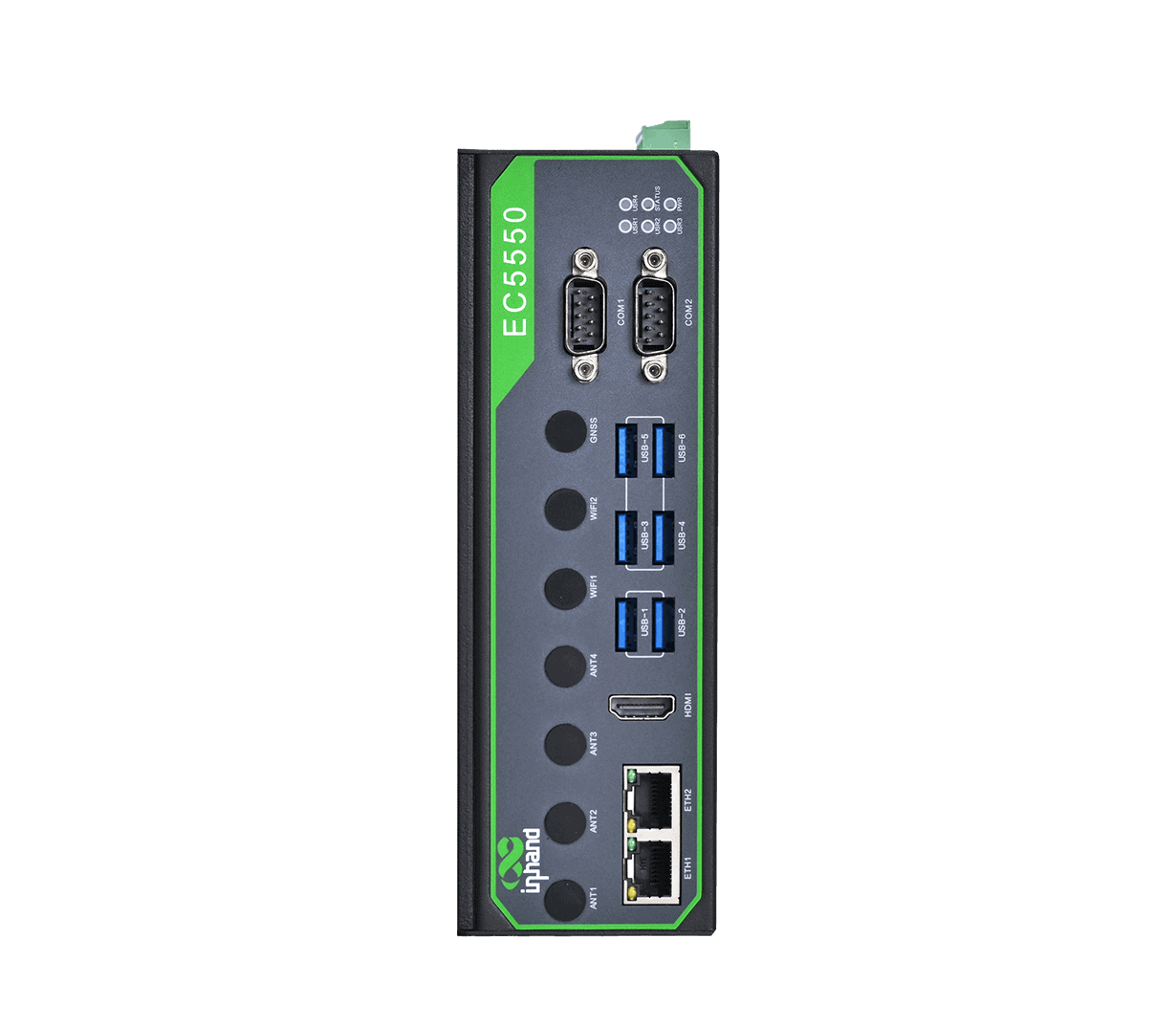
To address inefficient manual inspection, missed or false detections, and the latency and data-security risks of cloud-based image analysis, InHand builds an intelligent inspection solution around the EC5550 AI edge computer. High-resolution images are analyzed and defects identified directly on the production line. With 100 TOPS AI performance, an open Linux architecture, and TPM 2.0 security, customers can deploy in-house or third-party algorithms, avoid vendor lock-in, and keep data in a closed loop. The solution improves inspection accuracy and consistency, reduces rework and bandwidth costs, and delivers both efficiency and quality assurance without changing the existing line layout.
Hintergrund
Global manufacturing is undergoing a deep digital and intelligent transformation. Rising production capacity and growing demand for customization are raising the bar for quality control. Manual inspection can no longer meet the need for high-frequency, high-precision, and highly stable inspection, often leading to missed defects, false judgments, higher rework rates, and lower productivity.
Edge computing and AI vision are becoming key tools for optimizing inspection workflows and improving quality control.
Kundenanforderungen
Manual Inspection Gaps
With diverse products and complex appearances, manual visual inspection is labor-intensive. Fatigue and subjective judgment can cause missed or false detections, affecting yield and shipment consistency.
Local Processing Limits
Uploading high-frequency image data to the cloud creates network load, response latency, and exposure risks. For patented products or sensitive process details, customers prefer local computing and closed-loop data management.
Algorithm Flexibility
Inspection algorithms vary widely by industry and product type. Customers need models that fit their own scenarios and want to avoid being locked into a single vendor framework.
Lösung
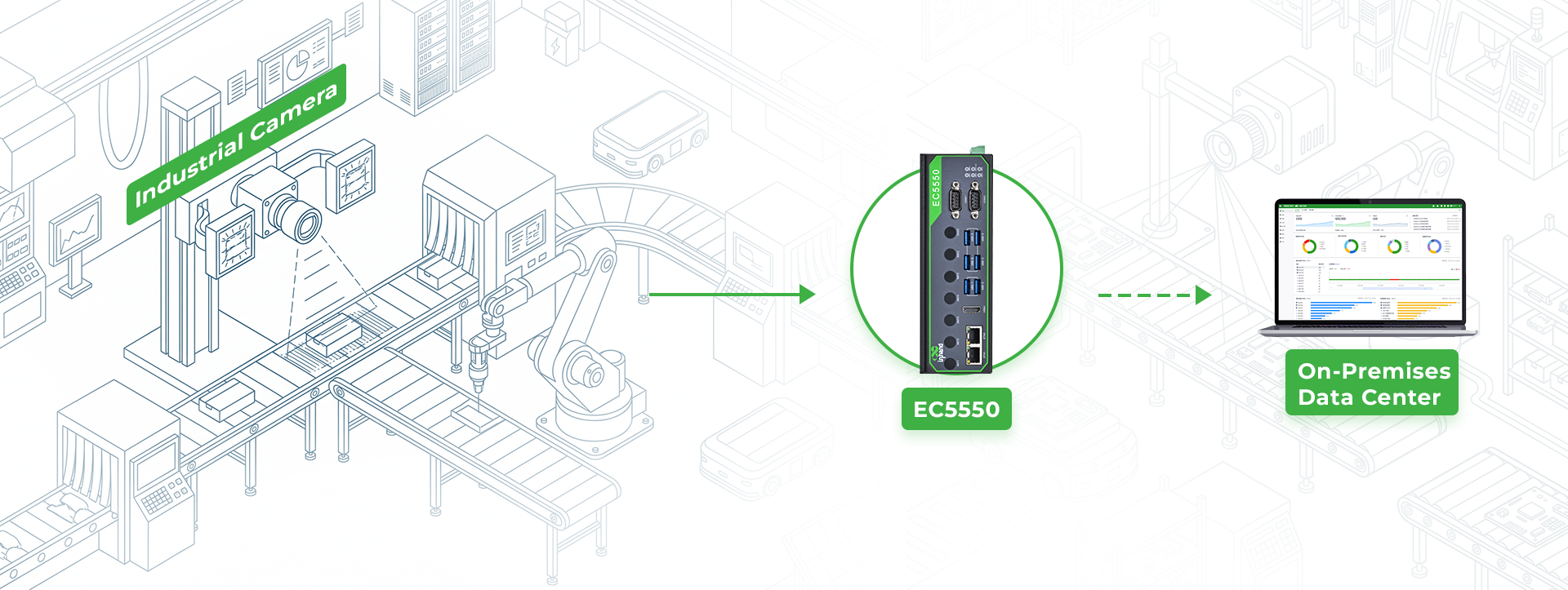
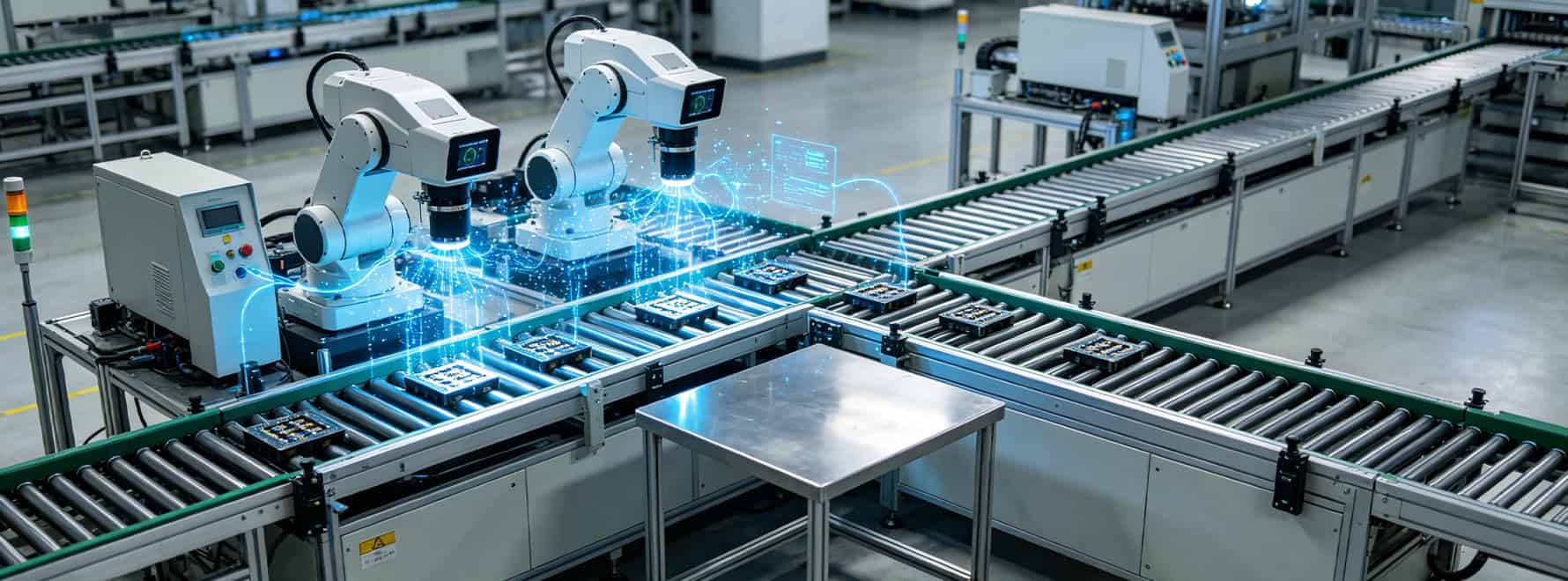
On factory inspection lines, multiple industrial cameras capture product images to detect dimensional deviations, scratches, foreign objects, and other defects.
InHand’s AI factory inspection solution uses the EC5550 AI edge computer as the core processing unit near frontline equipment. Through standard interfaces, it connects to industrial cameras and frame grabbers from multiple brands and processes high-resolution images locally. Customers can deploy in-house or third-party AI algorithms on the EC5550 for image recognition and defect judgment, then send results via wired or wireless networks to a local server or private cloud for centralized quality data management and traceability.
By bringing AI compute to the edge, the solution builds a stable, efficient, and secure inspection platform without changing the existing line layout, enabling standardized and digital quality control across production stages.
Vorteile
High AI Performance
With up to 100 TOPS of AI performance, the EC5550 supports real-time inference on high-resolution images and multi-channel concurrent processing, keeping inspection cycles stable.
Open Architecture
Running Debian Linux, it supports multiple deep learning frameworks and model formats, allowing customers to deploy in-house or third-party algorithms for different inspection scenarios.
Trusted Security
Built-in TPM 2.0 supports trusted boot, local key protection, and encrypted transmission, helping customers build a secure and controllable edge inspection environment.
Local AI Processing
Image data is processed locally on the EC5550, eliminating large-scale cloud backhaul, improving response speed, reducing bandwidth load, and supporting data privacy and edge-computing policies.


 Frag die KI alles