Pregúntale cualquier cosa a la IA

InHand Networks Concludes Successful Participation at Enlit Europe 2026

Vienna, Austria | November 12, 2026

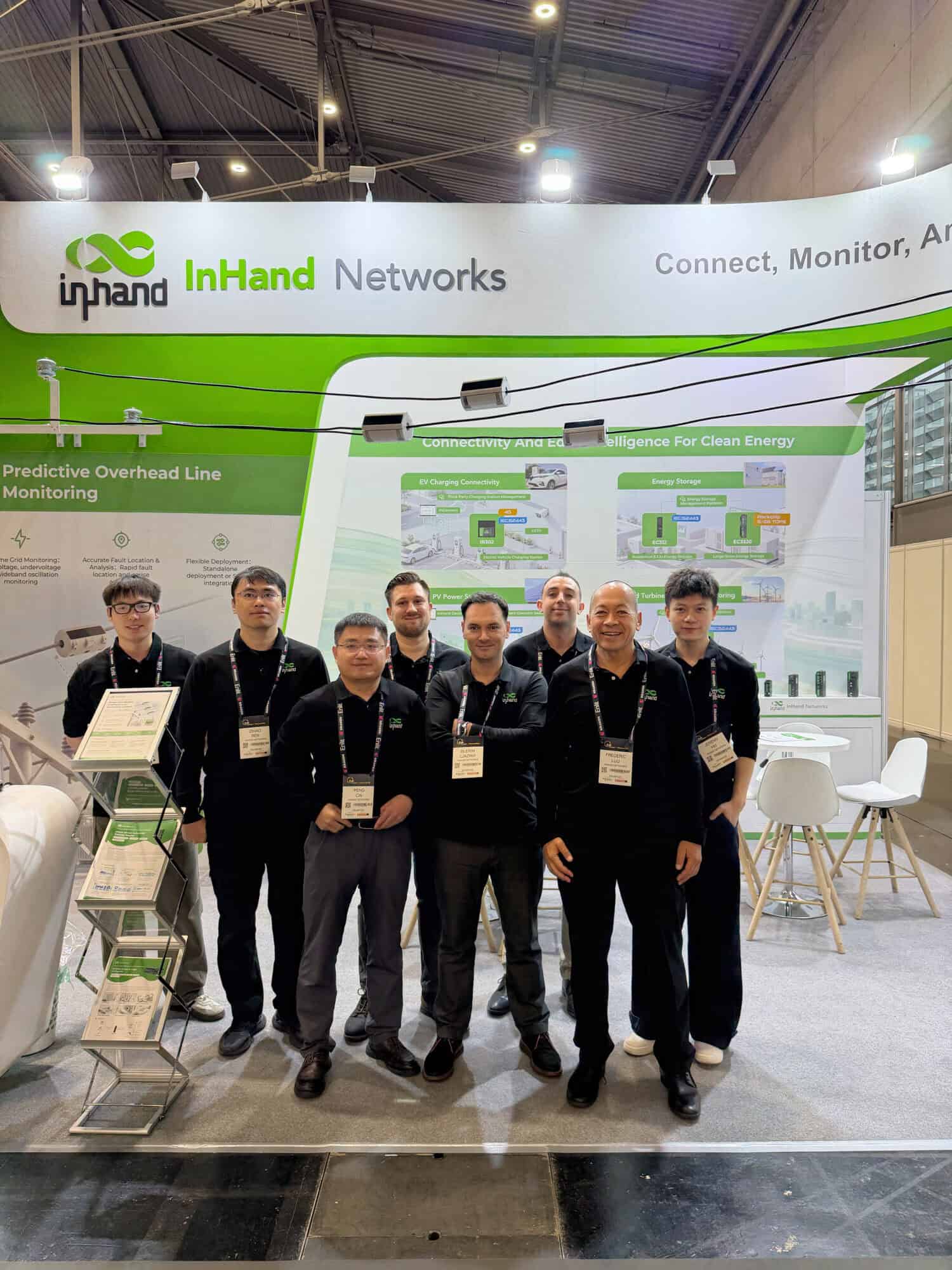
Enlit Europe 2026 has come to a close in Vienna following three days of exhibitions from November 10 to 12. At Booth A.H10, InHand Networks presented connectivity, monitoring and edge computing solutions for the energy sector, spanning distribution automation, smart metering, overhead lines, generator operations and clean energy applications.

The exhibition portfolio brought together industrial communication hardware and application-specific architectures to show how field data can support more visible and manageable energy infrastructure. Across the featured scenarios, the focus was on connecting distributed equipment, processing data closer to its source and delivering useful information to operational platforms.

Connecting Distribution Networks and Smart Meters

Reliable communication between field equipment and management systems is a foundation for distribution digitalisation. InHand showcased two complementary approaches covering distribution automation and metering connectivity.

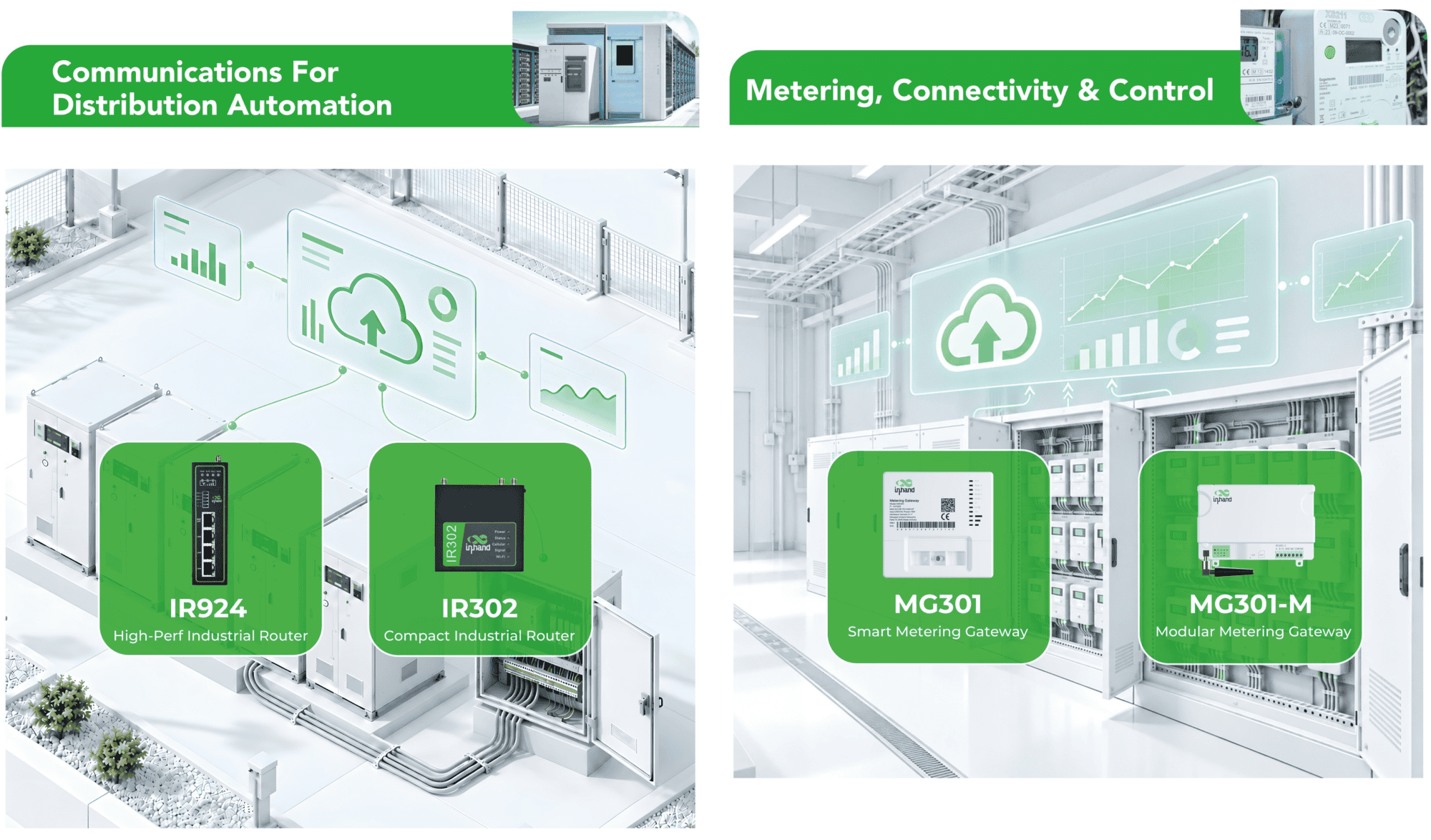
Communications for Distribution Automation

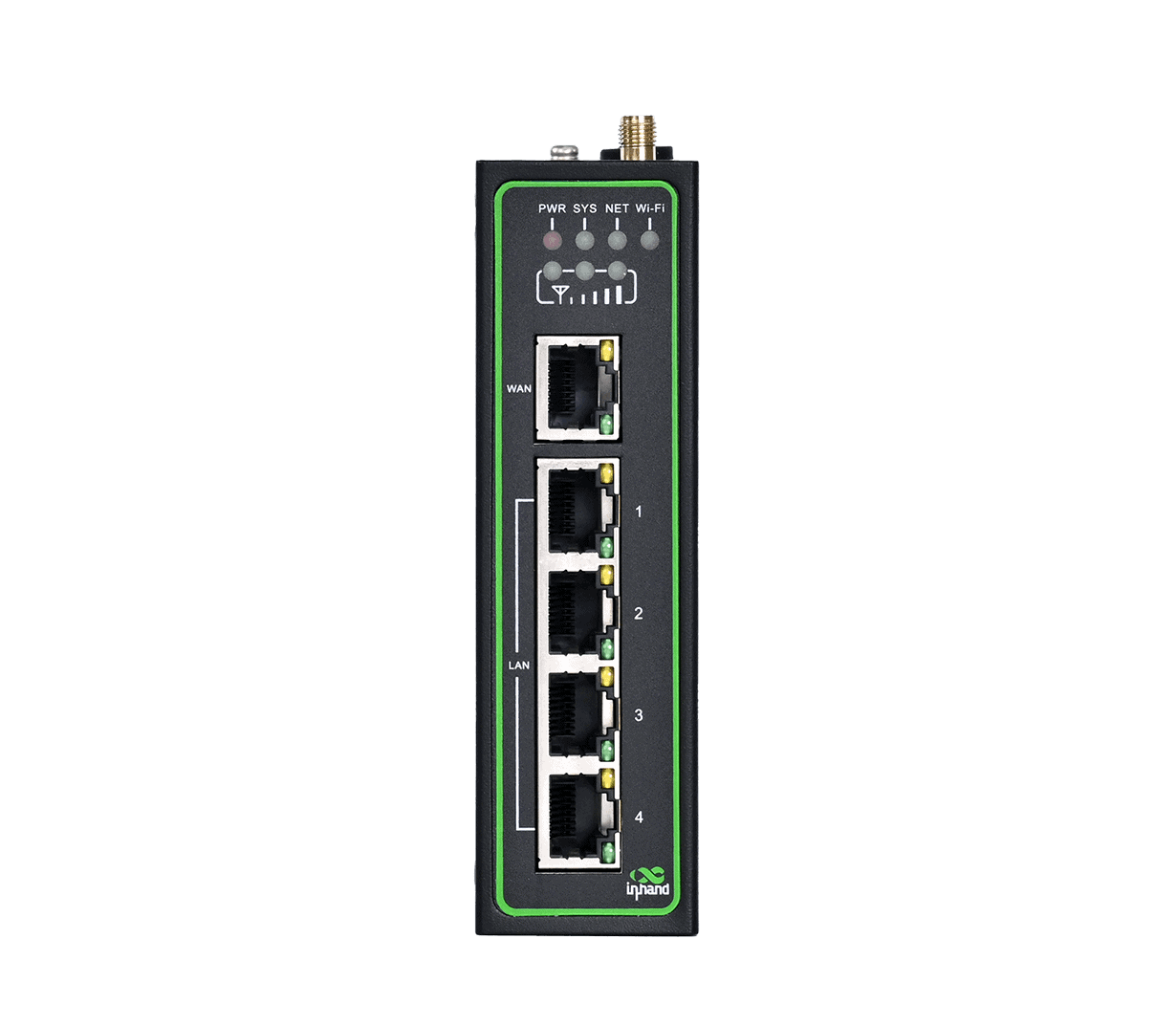
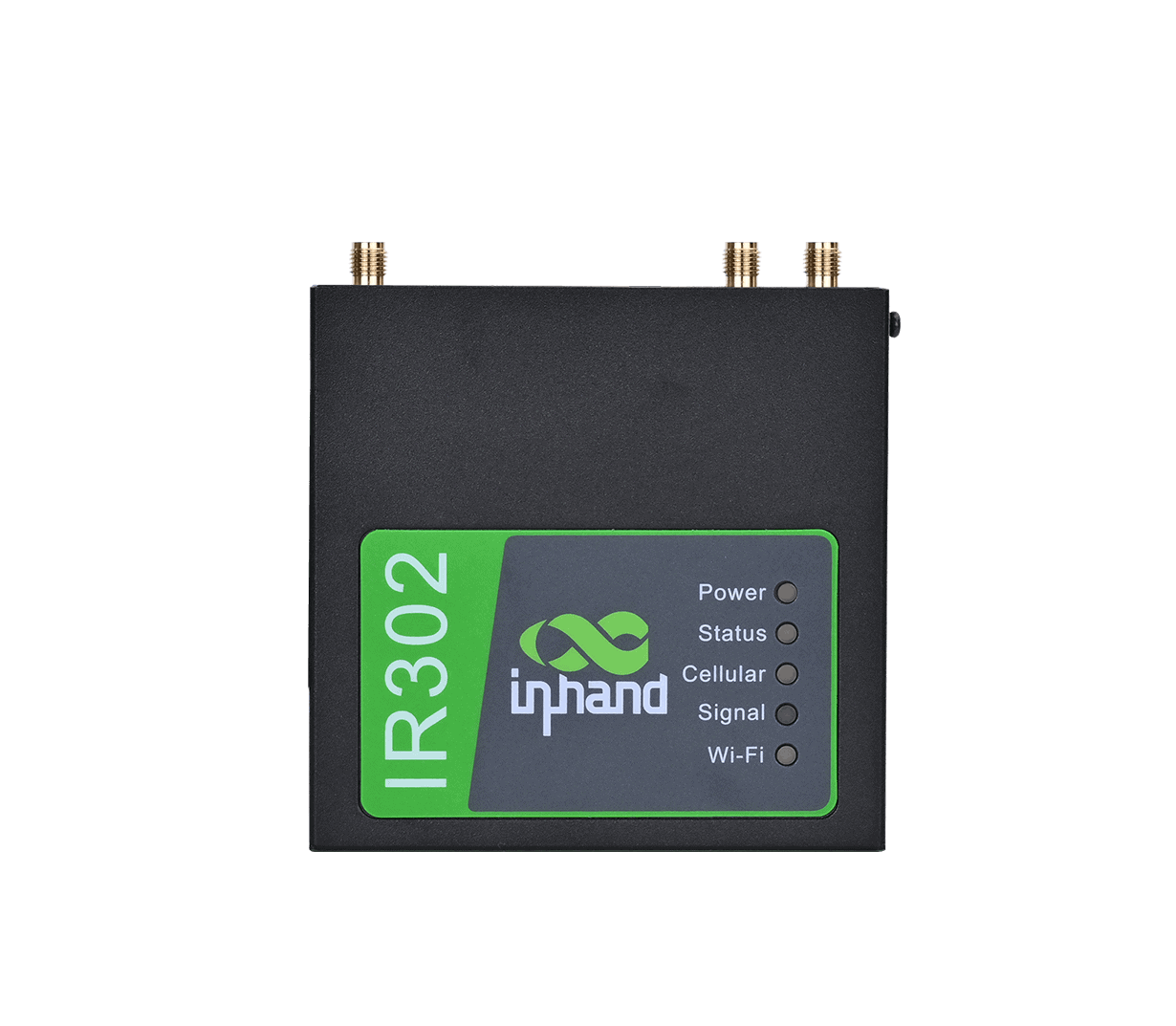
The distribution automation architecture featured the IR924 y IR302 industrial routers, connecting equipment at distribution sites with central systems. The portfolio addresses different site networking requirements, from compact installations to applications requiring broader connectivity, helping bring dispersed field assets into an operational network.

Metering Connectivity and Control

For smart metering, the display featured MG301 y MG301-M. MG301 provides a standalone gateway approach, while MG301-M plugs into compatible modular meters. Cellular links connect metering equipment to head-end systems for remote data collection, and support for protocols such as DLMS/COSEM helps integrate compatible meters. Together, these options give metering projects flexibility in how communications are deployed at the meter site.

Predictive Overhead Line Monitoring

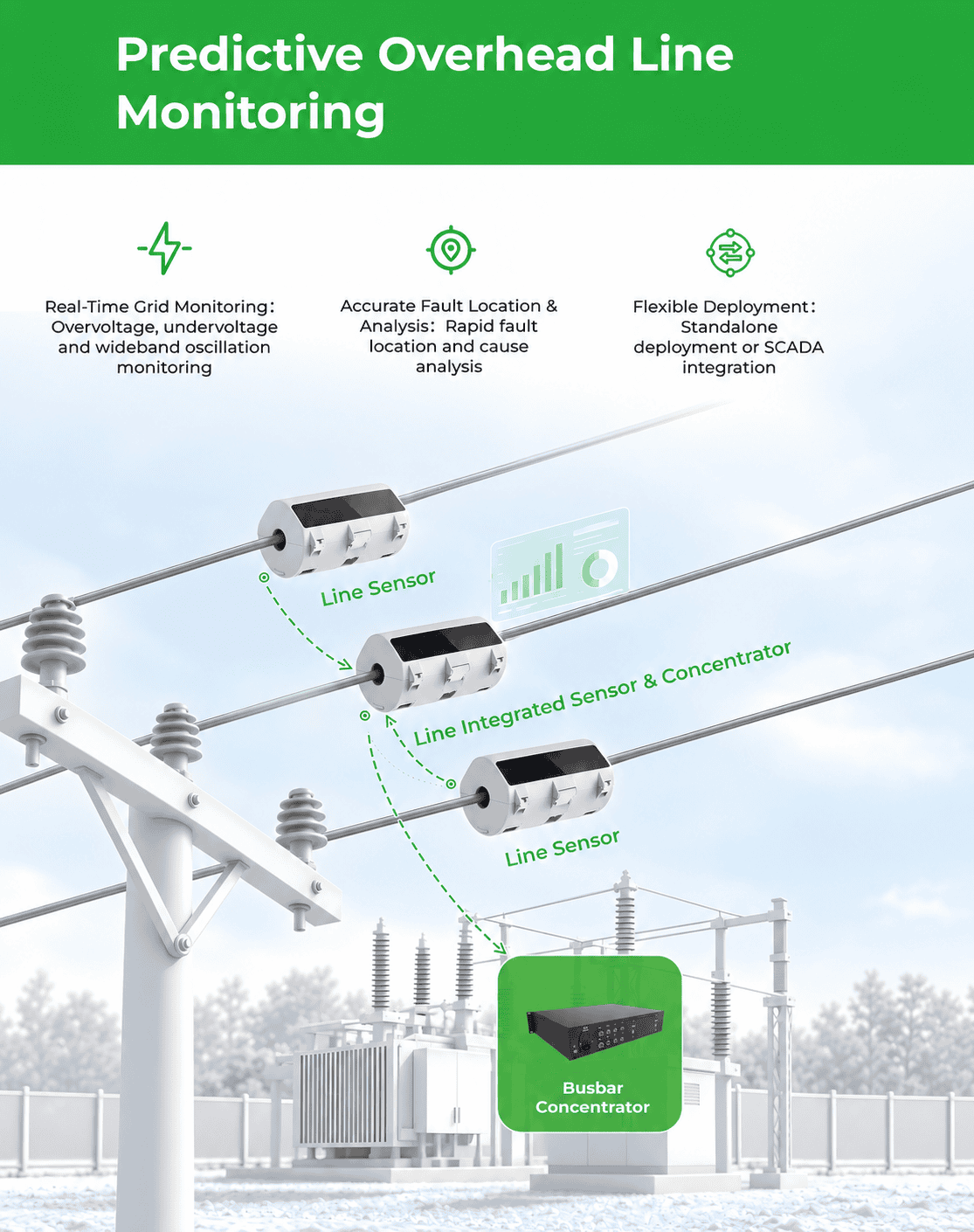
For overhead distribution networks, InHand presented a monitoring system designed for 6 to 35 kV lines. It combines line sensors, a line integrated sensor y concentratory un Busbar Concentrator to support real-time condition sensing, fault location and analysis, and standalone deployment or SCADA integration.

El line-side devices mount directly on the conductors, reducing the need for pole or tower modifications. The Phase B unit aggregates measurements from all three phases, while synchronised waveform recording supports event playback y root-cause analysis. Monitoring functions cover current and electric-field voltage, overvoltage, undervoltage and wideband oscillation, alongside short-circuit and earth-fault detection.

At the distribution edge, the Busbar Concentrator performs local data processing y fault diagnosis, with key results and waveforms uploaded to supervisory systems. Data caching and resumed transmission help maintain reporting through communication interruptions. This architecture supports utilities seeking to improve feeder visibility, investigate disturbances y plan maintenance across urban, rural and weak-signal line sections.

Remote Monitoring for Generator Operations

Generator fleets require visibility across equipment that may be distributed among industrial facilities y residential sites. InHand illustrated two approaches to connecting these assets with remote management platforms.

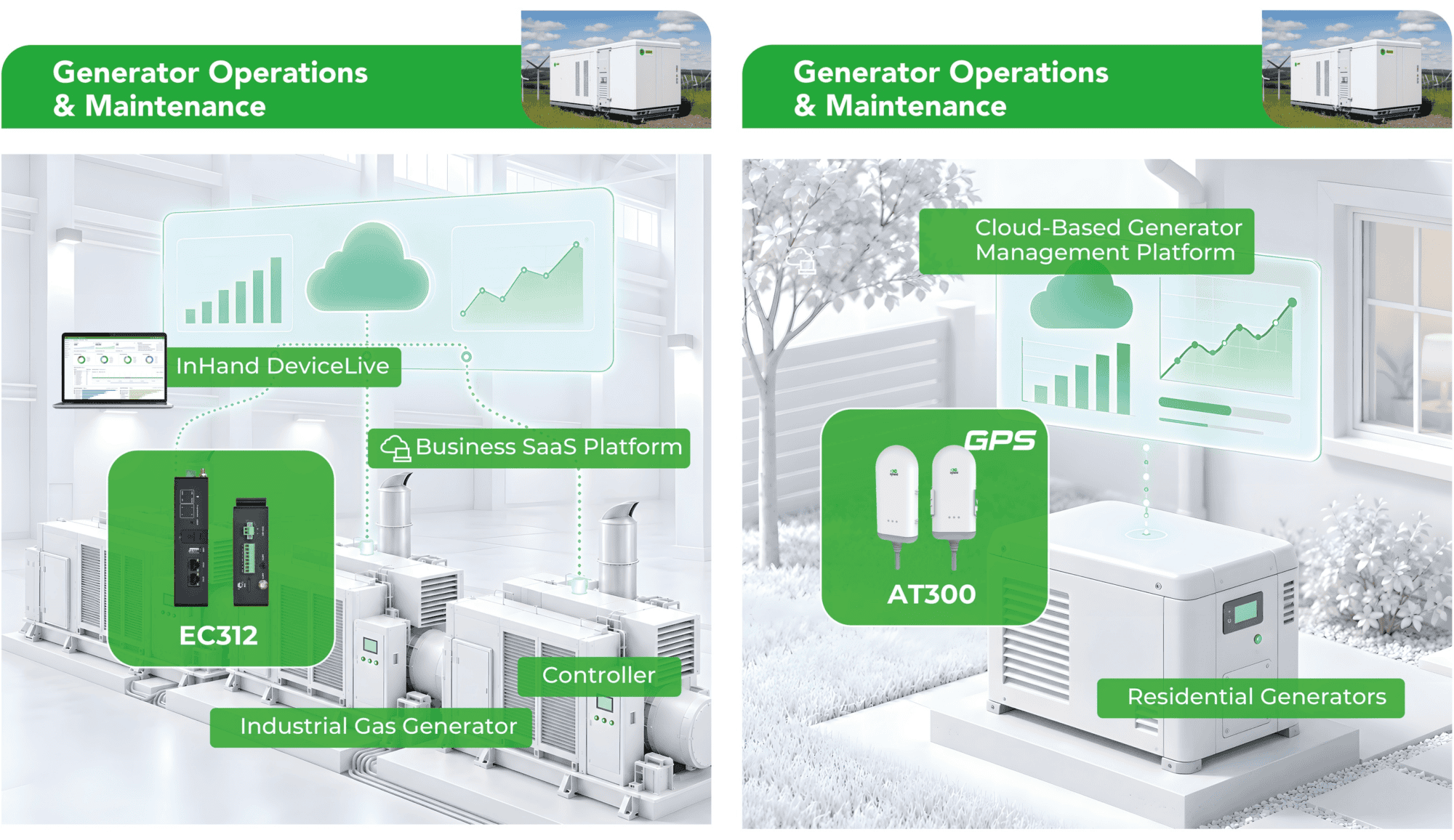
Industrial Generator Operations

For industrial gas generators, the displayed architecture uses the EC312 edge computer to connect generator controllers with InHand DeviceLive and business SaaS platforms. It provides a path from local controller data to remote applications, supporting equipment status visibility and giving service teams a basis for identifying issues before arranging an on-site visit.

Residential Generator Management

For residential generators, the AT300-based architecture links equipment with a cloud-based generator management platform. The display also highlights GPS positioning. This approach brings connectivity and asset location into the service workflow, supporting the remote oversight of generators spread across multiple customer locations.

Connectivity and Edge Intelligence for Clean Energy

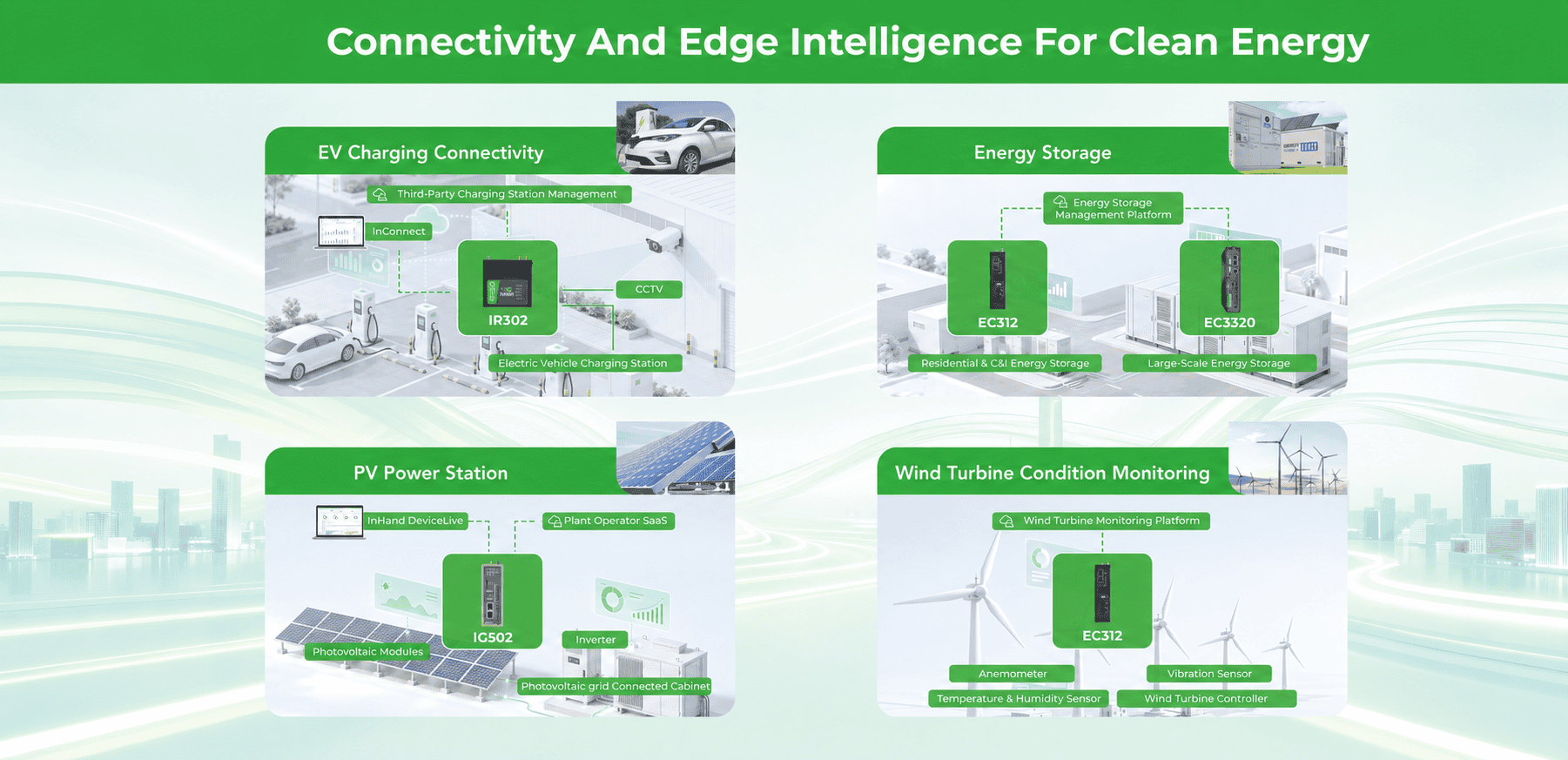
InHand also presented four application architectures for EV charging, energy storage, photovoltaic power stations y wind turbine condition monitoring. Each connects field equipment with the applications used to oversee its operation.

EV Charging Connectivity

The EV charging architecture uses the IR302 industrial router to connect charging infrastructure and site CCTV with remote systems. InConnect provides a remote access path, while a third-party charging station management platform supports station operations.

Energy Storage

The energy storage display positions EC312 for residential and commercial and industrial systems, alongside EC3320 for larger installations. The architecture connects equipment at the site with an energy storage management platform, combining communications and local computing to support different deployment scales.

Photovoltaic Power Stations

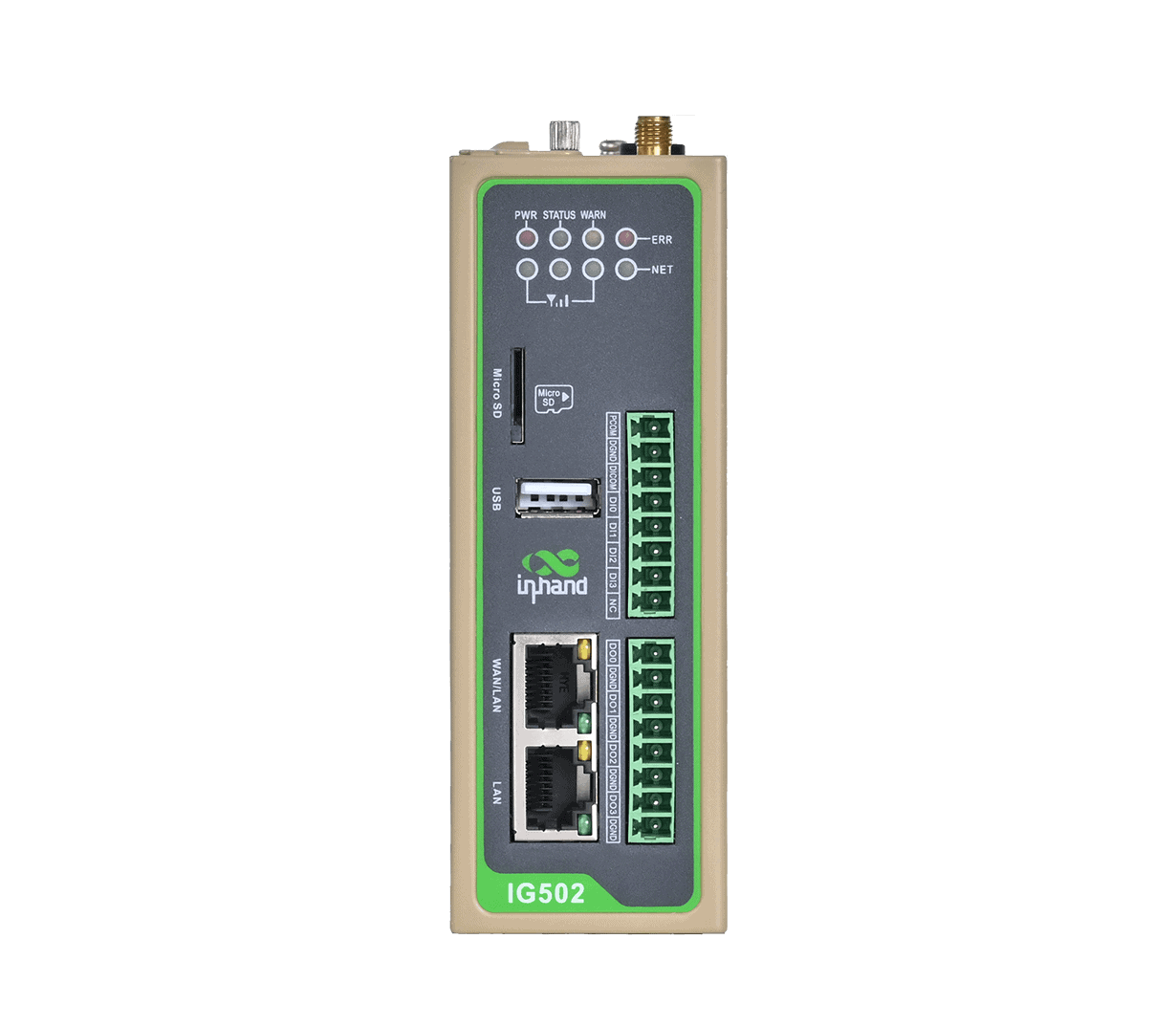
For PV power stations, the IG502 edge gateway connects equipment such as inverters and grid-connected cabinets with InHand DeviceLive and plant operator SaaS applications. This data path supports remote visibility into distributed solar assets and their operating status.

Wind Turbine Condition Monitoring

The wind turbine architecture uses EC312 to bring together data from anemometers, vibration sensors, temperature and humidity sensors, and turbine controllers. Linking these sources to a monitoring platform supports condition assessment and more informed maintenance planning.

Visibility Across Low Voltage Distribution

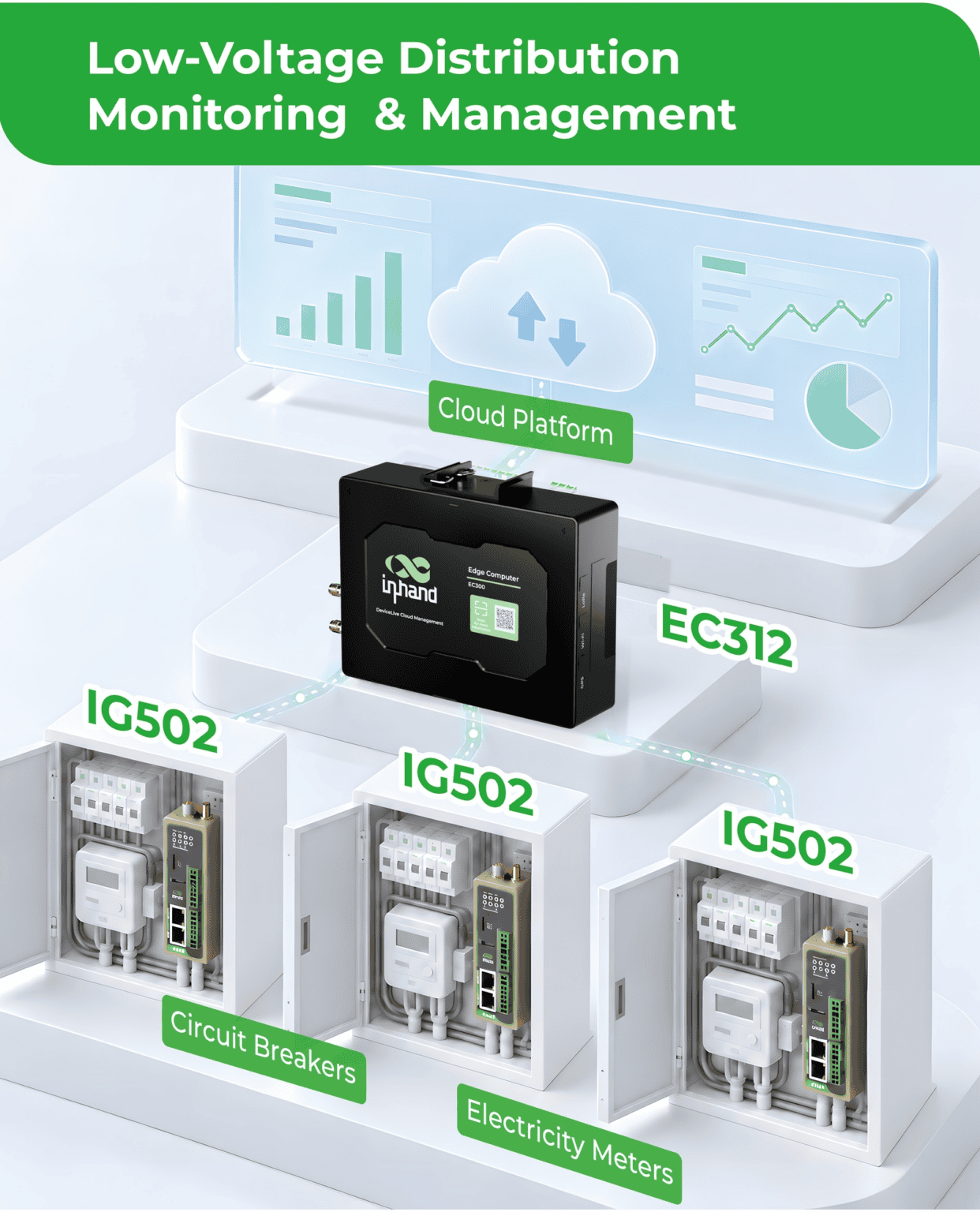
The low-voltage distribution monitoring and management architecture extends digital visibility to electricity meters and circuit breakers. IG502 gateways collect data from distributed cabinets, with an EC312 edge computing layer connecting the field network to a cloud platform.

By bringing information from multiple cabinets into a shared management architecture, the solution supports a more consolidated view of equipment and electricity usage. Local collection and edge processing provide the foundation for monitoring distributed assets and helping operations teams assess conditions across a low-voltage network.

Continuing Collaboration in Energy Digitalisation

From overhead feeders to renewable energy sites and customer-side equipment, InHand’s Enlit Europe portfolio demonstrated how industrial connectivity and edge computing can address practical energy applications. InHand Networks thanks everyone who visited the booth and looks forward to continued discussions with utilities, equipment manufacturers, system integrators and energy solution partners on connecting and managing energy infrastructure.

Productos relacionados