


Mo 62A
Single-Board Computer
Entry-level open-source AI SBC powered by TI AM62A74, delivering 2 TOPS for lightweight edge inference and industrial vision.
Mo 62A
Single-Board Computer
Entry-level open-source AI SBC powered by TI AM62A74, delivering 2 TOPS for lightweight edge inference and industrial vision.
PHOTO
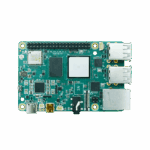
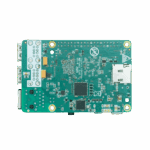
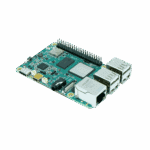
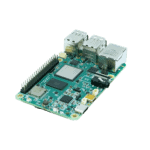
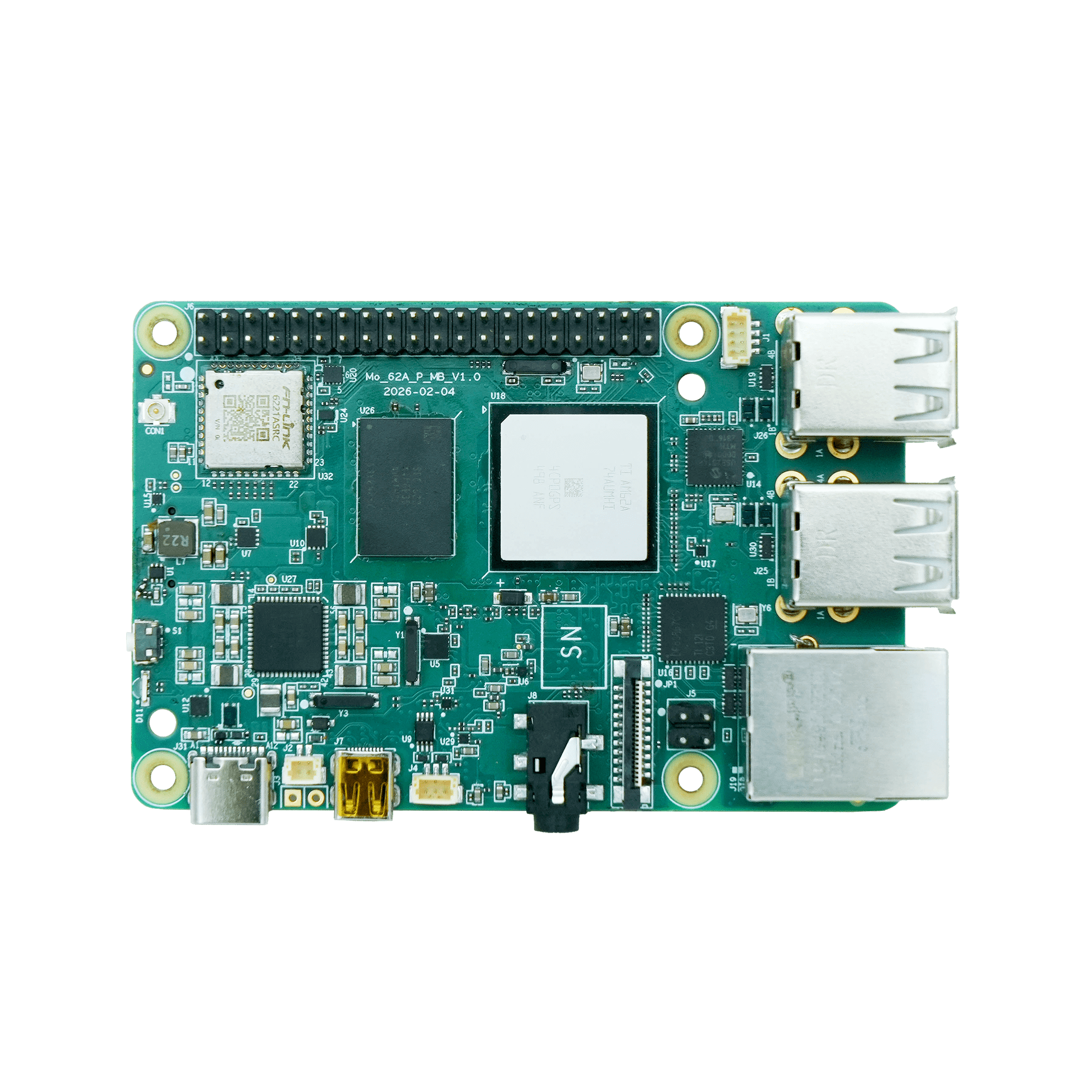
2 TOPS Open-Source AI SBC For Lightweight Edge Inference

High-Performance Processor
Powered by the Texas Instruments AM62A AI vision processor, featuring a quad-core 64-bit Arm® Cortex®-A53 CPU up to 1.4 GHz

AI Acceleration
Equipped with C7x DSPs and Matrix Multiply Accelerators (MMAs), delivering up to 2 TOPS of deep learning performance

Rich Connectivity
Multi-Modal Interfaces: Gigabit Ethernet, USB 2.0, plus flexible multimedia I/O for cost-effective multi-camera and multi-display systems

Rapid Prototyping
A 40-pin expansion header enables solderless prototyping and broad compatibility with sensors, actuators, and connectivity accessories
High-Performance Processor
Powered by the Texas Instruments AM62A AI vision processor, featuring a quad-core 64-bit Arm® Cortex®-A53 CPU up to 1.4 GHz
AI Acceleration
Equipped with C7x DSPs and Matrix Multiply Accelerators (MMAs), delivering up to 2 TOPS of deep learning performance
Rich Connectivity
Multi-Modal Interfaces: Gigabit Ethernet, USB 2.0, plus flexible multimedia I/O for cost-effective multi-camera and multi-display systems
Rapid Prototyping
A 40-pin expansion header enables solderless prototyping and broad compatibility with sensors, actuators, and connectivity accessories
-
Core Technical Specifications
AI Inference 2 TOPS (C7x DSP + DLA)Operating System Debian 13.2 (Linux 6.12)Wi-Fi Wi-Fi 5 (802.11ac), dual-band 2.4/5 GHzBluetooth BLE 4.2AI Framework TI TIDL, supports TFLite / ONNXCamera 1 × 4-lane MIPI CSI-2Dimensions 85 × 56 mmWeight 47 gPower USB Type-C 5V/5A DCPower Consumption 25W (MAX)Operating Temperature 0 ~ 50 °CMemory LPDDR4 2GB (default) / 4GB
-
Hardware Platform
CPU TI AM62A74, 4 × Cortex-A53 @ 1.4 GHzAI Accelerator C7x DSP + Deep Learning Accelerator, 2 TOPSISP / Vision On-chip ISP + VPAC (RGB-IR, WDR, LDC)Memory LPDDR4 2GB (default) / 4GB
-
Interfaces and Connectivity
Ethernet 1 × Gigabit EthernetUSB 4 × USB 2.0 Type-ADisplay 1 × Micro HDMICamera 1 × 4-lane MIPI CSI-2Audio 3.5 mm jack + PCM via 40-pin connector40-pin Connector GPIO / I²C / SPI / UART / PCM, HAT-compatibleStorage Micro SDDebug UART 1 × TTL UARTFan Connector 1 × 4-pin fan connectorButton 1 × Power buttonLED PWR, USER
-
Wireless
Wi-Fi Wi-Fi 5 (802.11ac), dual-band 2.4/5 GHzBluetooth BLE 4.2Antenna Connector Wi-Fi / BLE: on-board snap-on antenna
-
Security
Secure Boot SupportTrustZone SupportCrypto Accelerator Hardware AES-256OP-TEE Support
-
Power
Power input USB Type-C 5V/5A DCPower Consumption 25W (MAX)
-
Mechanical
Dimensions 85 × 56 mmWeight 47 gHousing PCBCooling Active fan (optional)
-
Others
RTC Support (battery backup)Watchdog Hardware watchdog
-
Environmental
Operating Temperature 0 ~ 50 °CStorage Temperature -20 ~ 70 °C
-
Operating System
OS Debian 13.2 TrixieKernel Linux Kernel 6.12
-
AI & Vision
AI Runtime TI TIDL, supports TFLite / ONNXVision SDK TI EdgeAI SDKCamera Framework V4L2Display Framework DRM / KMS
-
Network Protocol
IP Application TCP/UDP, ICMP, DNS, DHCPIP Routing Static routing
-
Development
Languages Python, C/C++Libraries OpenCV, GStreamer, NumPyPackage Manager apt (Debian)Open SDK Supports custom system build by customer
-
System Management
Remote Access SSHFirmware Upgrade SD card flashDebug UART console
Datasheets
 10.26.2026
 2.1 MB

Manuals
Firmware
 8.19.2026 1.6 GB 6.26.2026 2.1 GB 6.18.2026 2.1 GB 5.18.2026 2.1 GB 5.13.2026 2.1 GB 4.17.2026 2.8 GB 4.15.2026 2.8 GB
Developer Documentation
10.27.2026 33.6 KBStandard package*
- Mo 62A AI Single Board Computer *1
Optional accessories
- Power Supply *1
- Wi-Fi Antenna *1
- RTC Battery *1
- TTL Debug Serial Cable *1
- Fan *1
- Ethernet Cable *1
- 32GB SD Card *1
- Micro HDMI to HDMI (MO 62A) *1
- Mini DP to DP (MO 68A) *1
* Standard package contents vary by standard order codes.
Contact us directly to learn more about our packaging options.
Specifications
-
Core Technical Specifications
AI Inference 2 TOPS (C7x DSP + DLA)Operating System Debian 13.2 (Linux 6.12)Wi-Fi Wi-Fi 5 (802.11ac), dual-band 2.4/5 GHzBluetooth BLE 4.2AI Framework TI TIDL, supports TFLite / ONNXCamera 1 × 4-lane MIPI CSI-2Dimensions 85 × 56 mmWeight 47 gPower USB Type-C 5V/5A DCPower Consumption 25W (MAX)Operating Temperature 0 ~ 50 °CMemory LPDDR4 2GB (default) / 4GB
-
Hardware Platform
CPU TI AM62A74, 4 × Cortex-A53 @ 1.4 GHzAI Accelerator C7x DSP + Deep Learning Accelerator, 2 TOPSISP / Vision On-chip ISP + VPAC (RGB-IR, WDR, LDC)Memory LPDDR4 2GB (default) / 4GB
-
Interfaces and Connectivity
Ethernet 1 × Gigabit EthernetUSB 4 × USB 2.0 Type-ADisplay 1 × Micro HDMICamera 1 × 4-lane MIPI CSI-2Audio 3.5 mm jack + PCM via 40-pin connector40-pin Connector GPIO / I²C / SPI / UART / PCM, HAT-compatibleStorage Micro SDDebug UART 1 × TTL UARTFan Connector 1 × 4-pin fan connectorButton 1 × Power buttonLED PWR, USER
-
Wireless
Wi-Fi Wi-Fi 5 (802.11ac), dual-band 2.4/5 GHzBluetooth BLE 4.2Antenna Connector Wi-Fi / BLE: on-board snap-on antenna
-
Security
Secure Boot SupportTrustZone SupportCrypto Accelerator Hardware AES-256OP-TEE Support
-
Power
Power input USB Type-C 5V/5A DCPower Consumption 25W (MAX)
-
Mechanical
Dimensions 85 × 56 mmWeight 47 gHousing PCBCooling Active fan (optional)
-
Others
RTC Support (battery backup)Watchdog Hardware watchdog
-
Environmental
Operating Temperature 0 ~ 50 °CStorage Temperature -20 ~ 70 °C
-
Operating System
OS Debian 13.2 TrixieKernel Linux Kernel 6.12
-
AI & Vision
AI Runtime TI TIDL, supports TFLite / ONNXVision SDK TI EdgeAI SDKCamera Framework V4L2Display Framework DRM / KMS
-
Network Protocol
IP Application TCP/UDP, ICMP, DNS, DHCPIP Routing Static routing
-
Development
Languages Python, C/C++Libraries OpenCV, GStreamer, NumPyPackage Manager apt (Debian)Open SDK Supports custom system build by customer
-
System Management
Remote Access SSHFirmware Upgrade SD card flashDebug UART console
Downloads
Datasheets
10.26.2026 2.1 MBManuals
Firmware
8.19.2026 1.6 GB 6.26.2026 2.1 GB 6.18.2026 2.1 GB 5.18.2026 2.1 GB 5.13.2026 2.1 GB 4.17.2026 2.8 GB 4.15.2026 2.8 GBDeveloper Documentation
10.27.2026 33.6 KB
Ordering
Standard package*
- Mo 62A AI Single Board Computer *1
Optional accessories
- Power Supply *1
- Wi-Fi Antenna *1
- RTC Battery *1
- TTL Debug Serial Cable *1
- Fan *1
- Ethernet Cable *1
- 32GB SD Card *1
- Micro HDMI to HDMI (MO 62A) *1
- Mini DP to DP (MO 68A) *1
* Standard package contents vary by standard order codes.
Contact us directly to learn more about our packaging options.
Related Cases
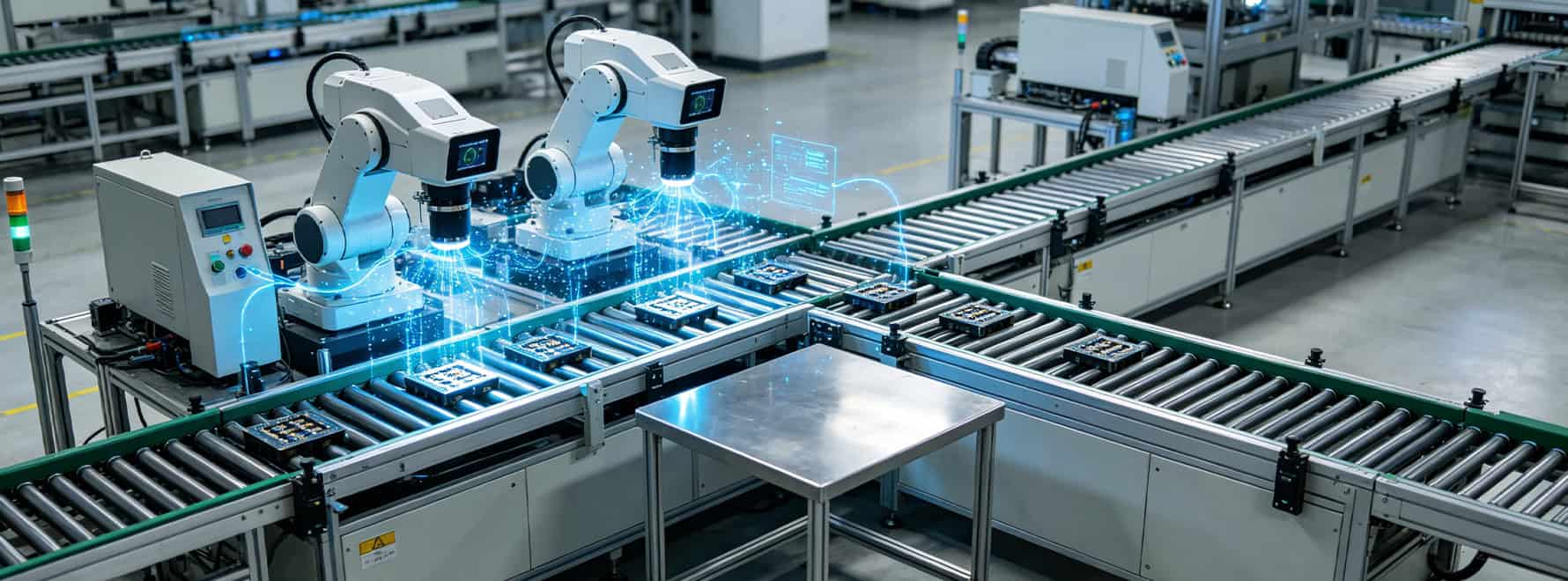
Building Compact AI Visual Inspection Systems
Building Compact AI Visual Inspection Systems Applications and Cases Key Takeaways Accelerate…
Learn More →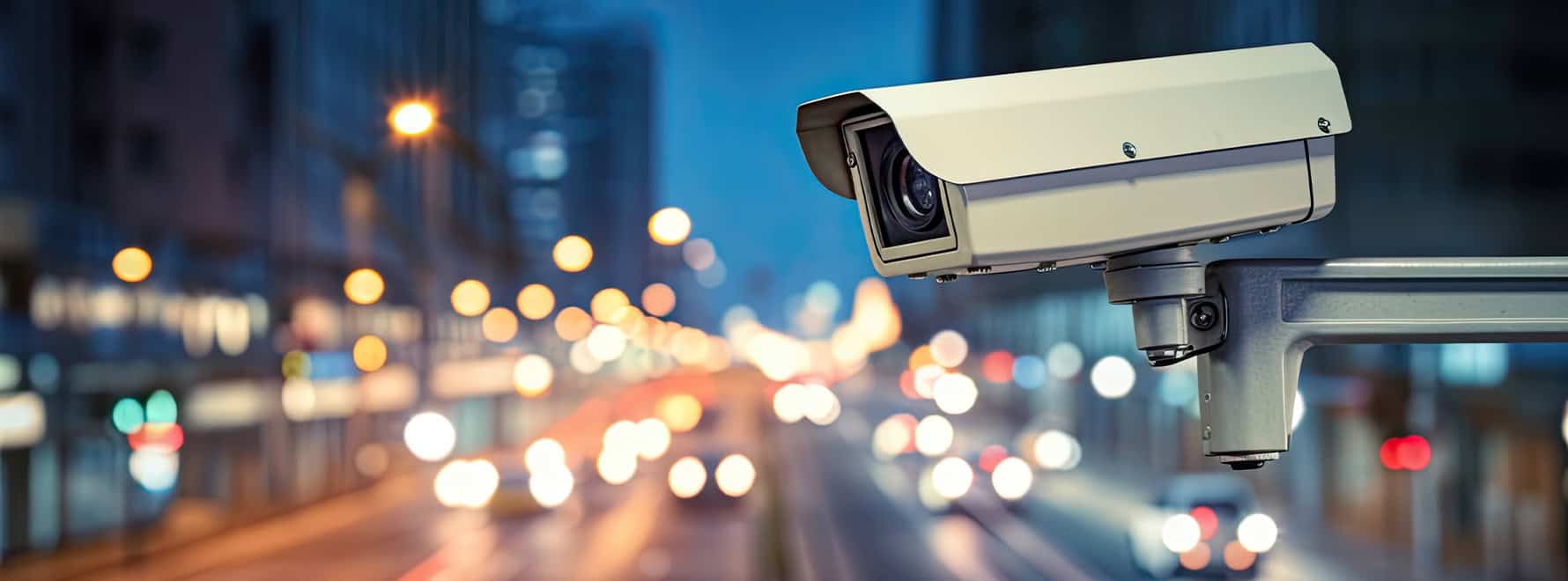
Turning Roadside Video into Actionable Traffic Data
Turning Roadside Video into Actionable Traffic Data Applications and Cases Key Takeaways…
Learn More →
Smarter Construction-Site Monitoring at the Edge
Smarter Construction-Site Monitoring at the Edge Applications and Cases Key Takeaways Improve…
Learn More →Frequently Asked Questions
What does the MO-62A offer?
The MO-62A is a 2-TOPS AI single-board computer for on-device vision inference at the edge. Key specs:
| — | — |
| Compute | 4× Cortex-A53 @ 1.4 GHz + C7x DSP + 2-TOPS Deep Learning Accelerator |
| Vision pipeline | On-chip ISP + VPAC (RGB-IR, WDR, LDC); 1× 4-lane MIPI CSI-2 |
| RAM | LPDDR4, 2 GB / 4 GB (default) / 8 GB SKUs ( MO-62A-2G/-4G/-8G ) |
| OS | Debian Linux |
| Connectivity | 1× Gigabit Ethernet, Wi-Fi 5 dual-band, BLE 4.2 |
| Other I/O | 4× USB 2.0 Type-A, micro HDMI, 3.5 mm audio, 40-pin HAT-compatible header, micro SD |
| Security | Secure Boot, ARM TrustZone, OP-TEE, hardware AES-256 |
| Power / size | USB Type-C 5 V (25 W max), 85 × 56 mm, 47 g |
The 85 × 56 mm board and 40-pin layout are mechanically compatible with standard SBC enclosures and HAT accessories. Typical applications: AI vision boxes, intelligent cameras, defect inspection, and other edge-AI inference terminals. The MO-62A is a developer-oriented SBC managed via SSH and standard Debian tooling — it does not run InHand IEOS or DeviceLive.
How do I flash and boot the MO-62A for the first time?
- Flash the SD card — download the latest
.img.zipfrom the release page (SDK on GitHub:github.com/inhandnet/mo-62a). Use balenaEtcher (Windows / macOS / Linux) orddto write the image to a ≥16 GB Class 10 / UHS-I micro SD card. - Connect peripherals — insert the card, connect a monitor via micro HDMI, plug RJ45 into your network, and optionally attach USB keyboard/mouse and an IMX219 camera ribbon.
- Apply power last via USB Type-C (5 V, ≥3 A). The red Power LED lights immediately. Normal boot is 30–45 s; the first boot adds 1–2 minutes while the root filesystem expands to fill the SD card, after which the board auto-reboots into the XFCE desktop.
- Log in with username
debian, passwordtemppwd— valid for one login only, then you’re prompted to set a new password immediately.
For headless setup, the board acquires DHCP automatically and is reachable at ssh [email protected] (mDNS) or ssh debian@. A 3-pin TTL UART debug connector is also provided (115200 baud, 8N1) for serial-console access.
How do I run AI models on the MO-62A?
Models run through the TI Deep Learning (TIDL) runtime, which accepts TFLite ( .tflite ) and ONNX ( .onnx ) models. The on-chip ISP/VPAC handles RAW→RGB conversion, WDR, and lens correction so the DLA gets a clean input; pre- and post-processing in Python or C/C++ commonly use OpenCV and GStreamer.
At 2 TOPS the MO-62A is sized for image classification, lightweight object detection (e.g., YOLO-Nano variants), OCR, presence/anomaly sensing, and gesture or pose recognition. For multi-stream / high-resolution detection at higher frame rates, step up to a higher-TOPS InHand AI edge computer.
How do I use the 40-pin header on the MO-62A?
The 40-pin HAT-compatible header exposes GPIO, I²C, SPI, UART, PWM, and PCM at 3.3 V logic. Standard SBC HAT accessories mount mechanically — verify electrical compatibility (3.3 V) before connecting.
Pin notes:
- All user pins default to GPIO; alternate functions are enabled via device-tree overlays.
- Pins 27/28 are reserved for the camera I²C bus — they cannot be used as general GPIO.
- The board ships with libgpiod v2.x; the
-cflag is required to specify a chip. Three gpiochips (gpiochip0–gpiochip2) cover the MCU and main domains.
Quick examples:
“ bash`
gpiodetect # list chips
gpioget -c gpiochip2 23 # read pin 11
gpioset -c gpiochip1 39=1 # drive pin 7 high
gpiomon -c gpiochip2 23 # watch edges
i2cdetect -y 2 # scan camera I²C bus
For higher-bandwidth peripherals, use the 4-lane MIPI CSI-2 connector (IMX219 supported via the bundled imx219-preview.sh` script), the micro HDMI for displays, and the four USB 2.0 Type-A ports for storage and adapters.
—

