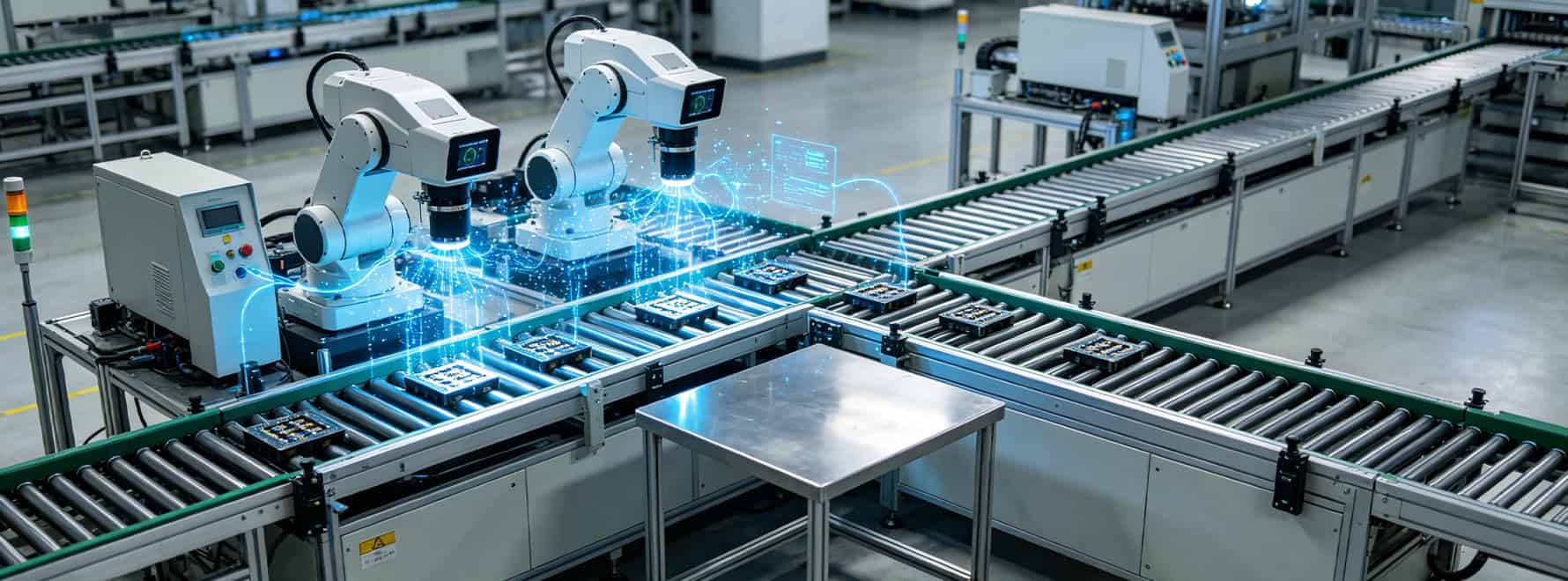
Improve construction-site visibility with on-device video intelligence. Powered by InHand AI single-board computers, the solution enables local detection of people, vehicles, and zone events while providing developers with an open environment for building alerts, records, and site-management applications.
Background
Construction sites are dynamic environments where workers, contractors, vehicles, and equipment frequently move across multiple work zones. Manual patrols and post-event video review make it difficult to identify unsafe access, vehicle activity, or unusual site conditions as they occur. By processing video close to the camera, on-device AI can turn live footage into structured detection results. This gives site operators a practical foundation for improving visibility, supporting faster response, and reducing dependence on continuous cloud connectivity.
Customer Requirements
Coverage Beyond Manual Patrols
Site teams need broader, more consistent visibility across entrances, work zones, and restricted areas than periodic manual inspections can provide.
Timely Awareness of Site Events
Potentially relevant activity, such as people or vehicles entering defined zones, must be identified early enough for customer applications to support follow-up.
Deployment Across Changing Sites
The computing platform must suit temporary and evolving site layouts, variable connectivity, limited installation space, and expansion to additional monitoring points.
Solution
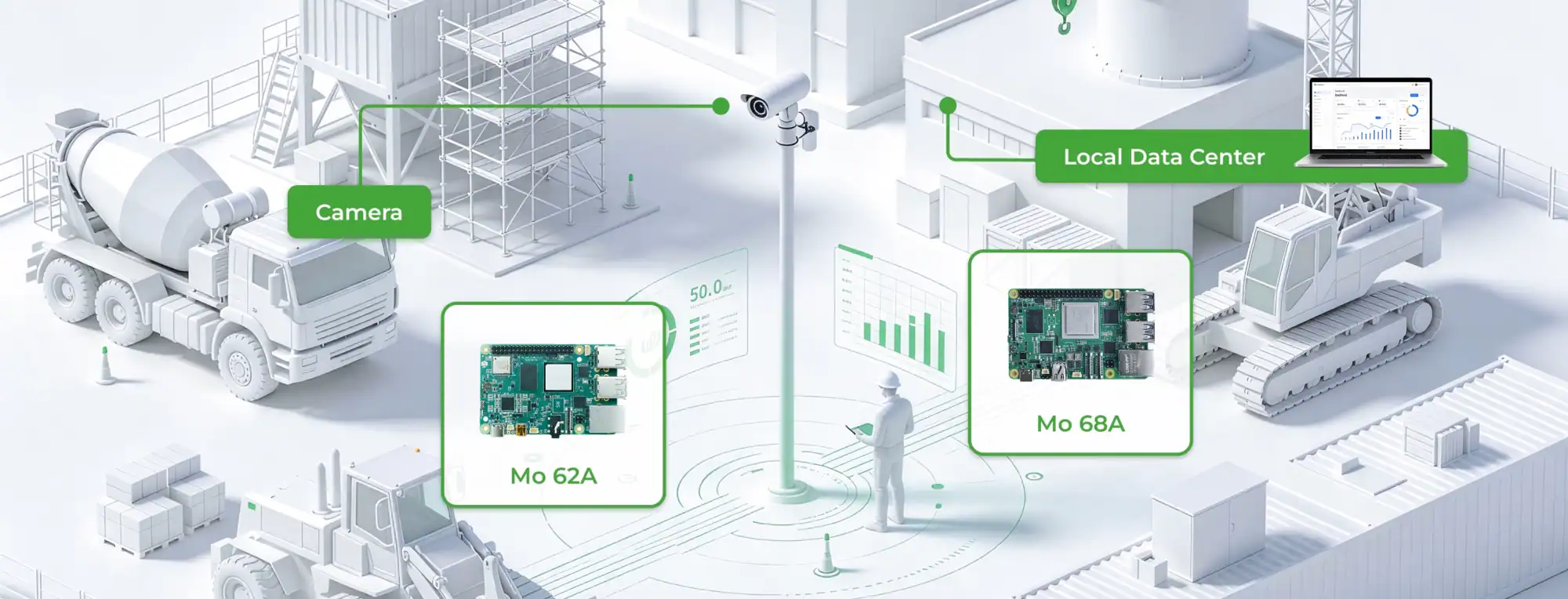
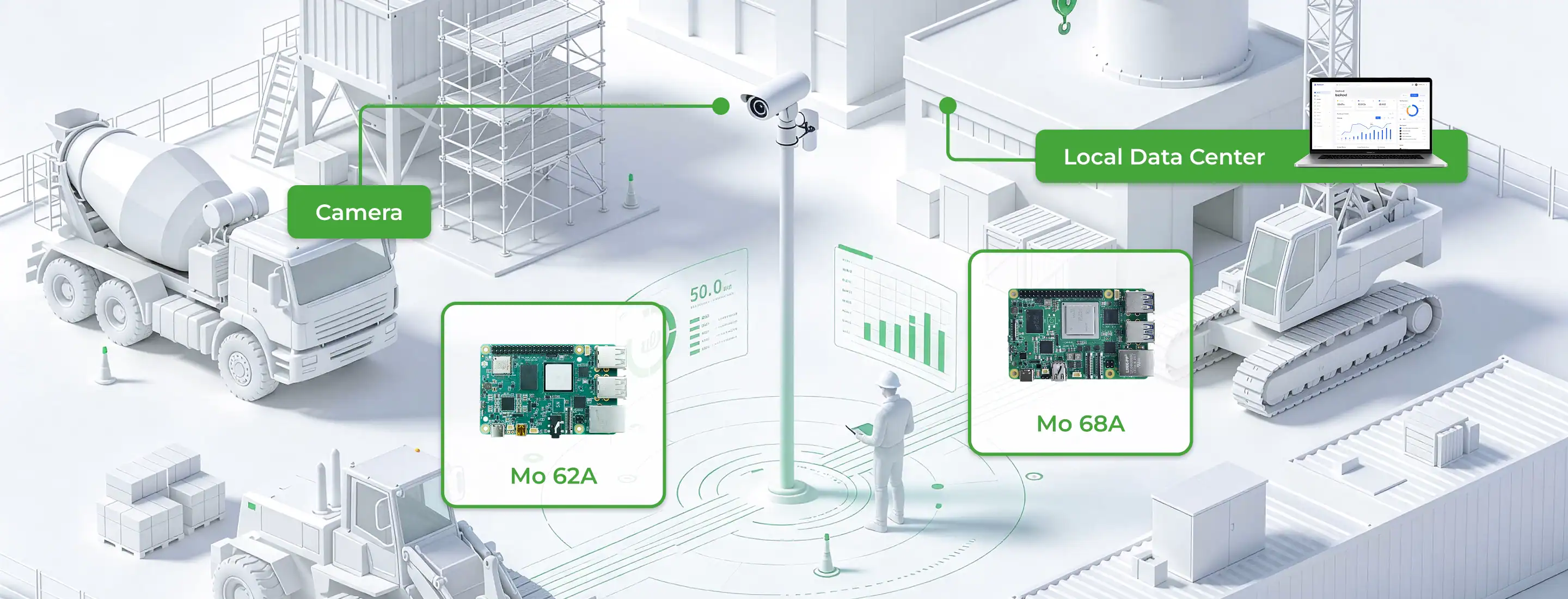
The construction-site monitoring solution combines cameras, an InHand Mo-series AI single-board computer, and customer-developed monitoring software. Video is captured at the site and processed locally on the Mo platform, where compatible object-detection models identify people, vehicles, and events within defined areas.
Mo provides a Debian-based development environment with TI TIDL, OpenCV, GStreamer, and support for TFLite and ONNX models. This helps developers build the video pipeline, run typical models, and integrate detection results into applications for event records, notifications, or further control logic. Models still need to be selected, trained, and tuned for the target site and operating conditions.
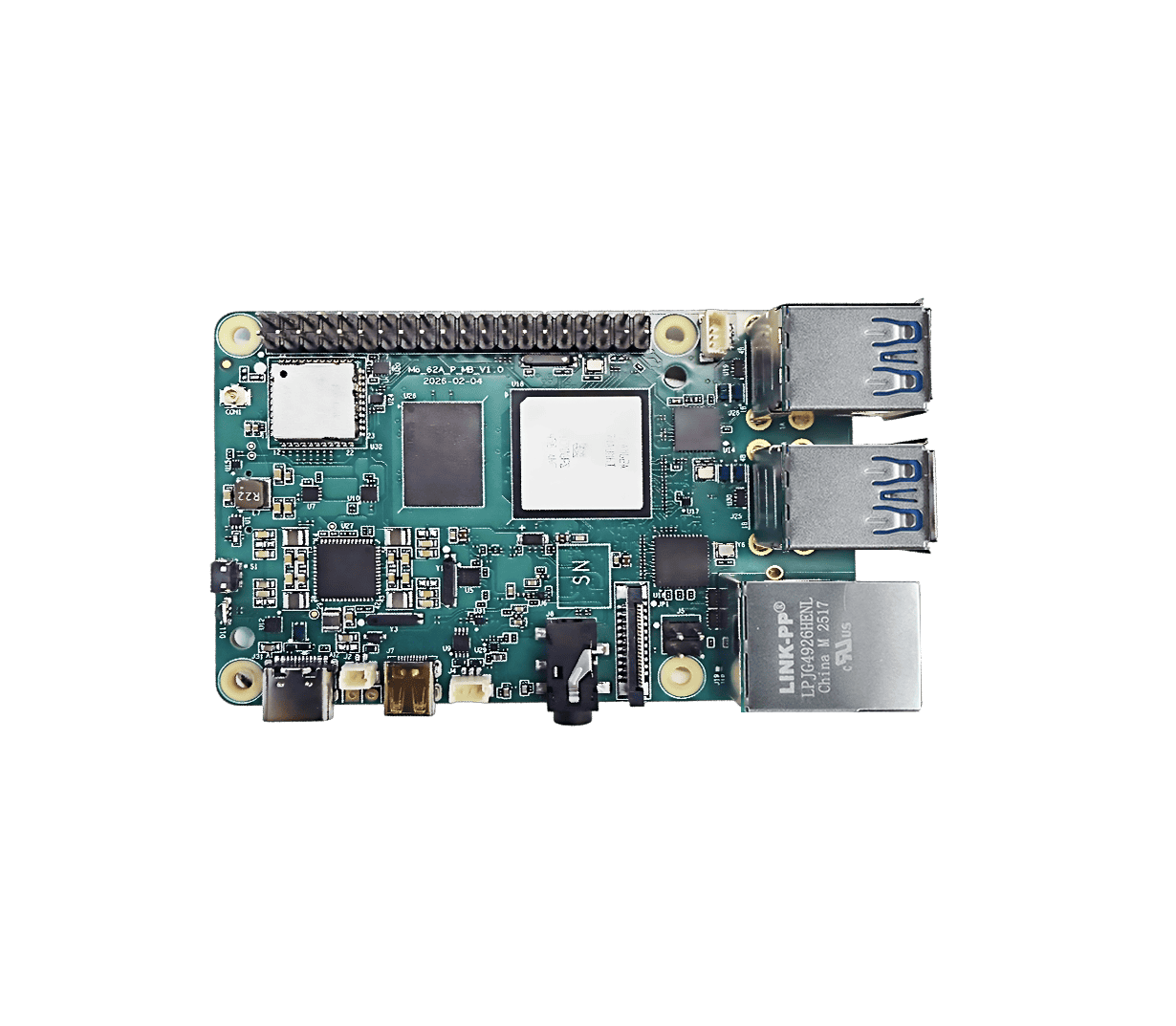
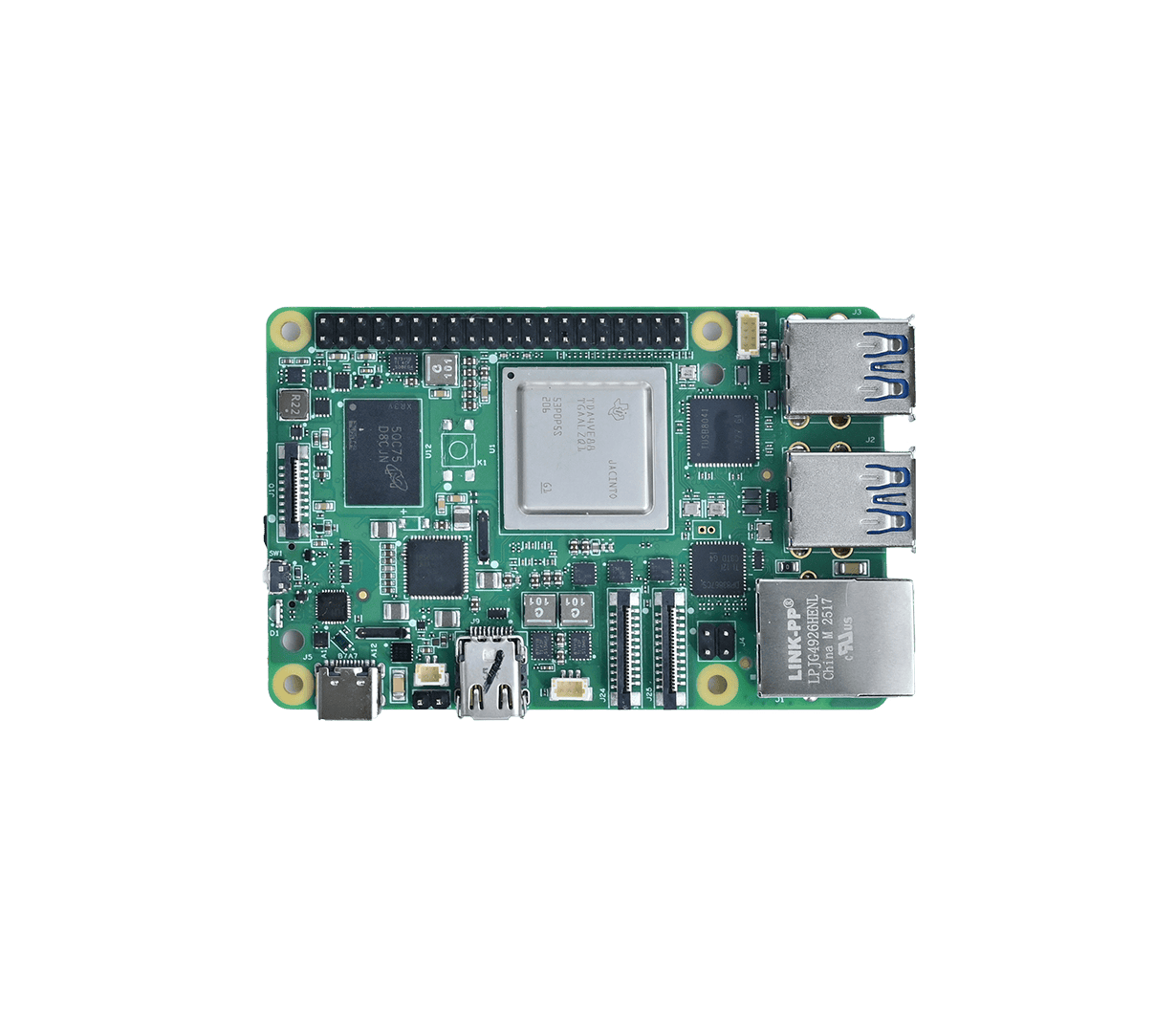
Mo 62A provides 2 TOPS for lighter, typically single-stream validation. Mo 68A provides 8 TOPS and additional high-speed expansion for applications requiring more processing headroom. Actual stream capacity depends on the model, resolution, frame rate, and sampling strategy.
Benefits
Shorter Event-to-Action Loop
Local inference gives customer applications timely event data for alerts, records, and operational follow-up without waiting for remote video analysis.
Faster Solution Development
The prepared Linux and AI environment reduces platform setup work, allowing developers to focus on site data, model tuning, and application workflows.
Practical Path to Expansion
Two performance options in the same compact form factor help teams validate lighter workloads first and add processing headroom as project requirements grow.


 Ask AI Anything