


EC5350
High-Performance
AI Edge Inference Computer
EC5350 is a 67 TOPS AI edge inference computer powered by NVIDIA Jetson Orin Nano, built for industrial deployments with rich I/O, flexible expansion, and cloud management.
EC5350
High-Performance
AI Edge Inference Computer
EC5350 is a 67 TOPS AI edge inference computer powered by NVIDIA Jetson Orin Nano, built for industrial deployments with rich I/O, flexible expansion, and cloud management.
PHOTO
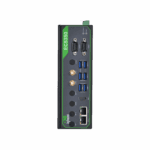
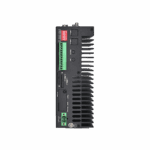
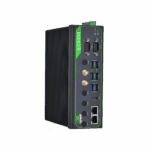
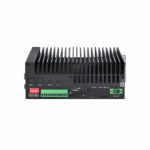
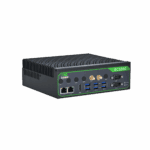
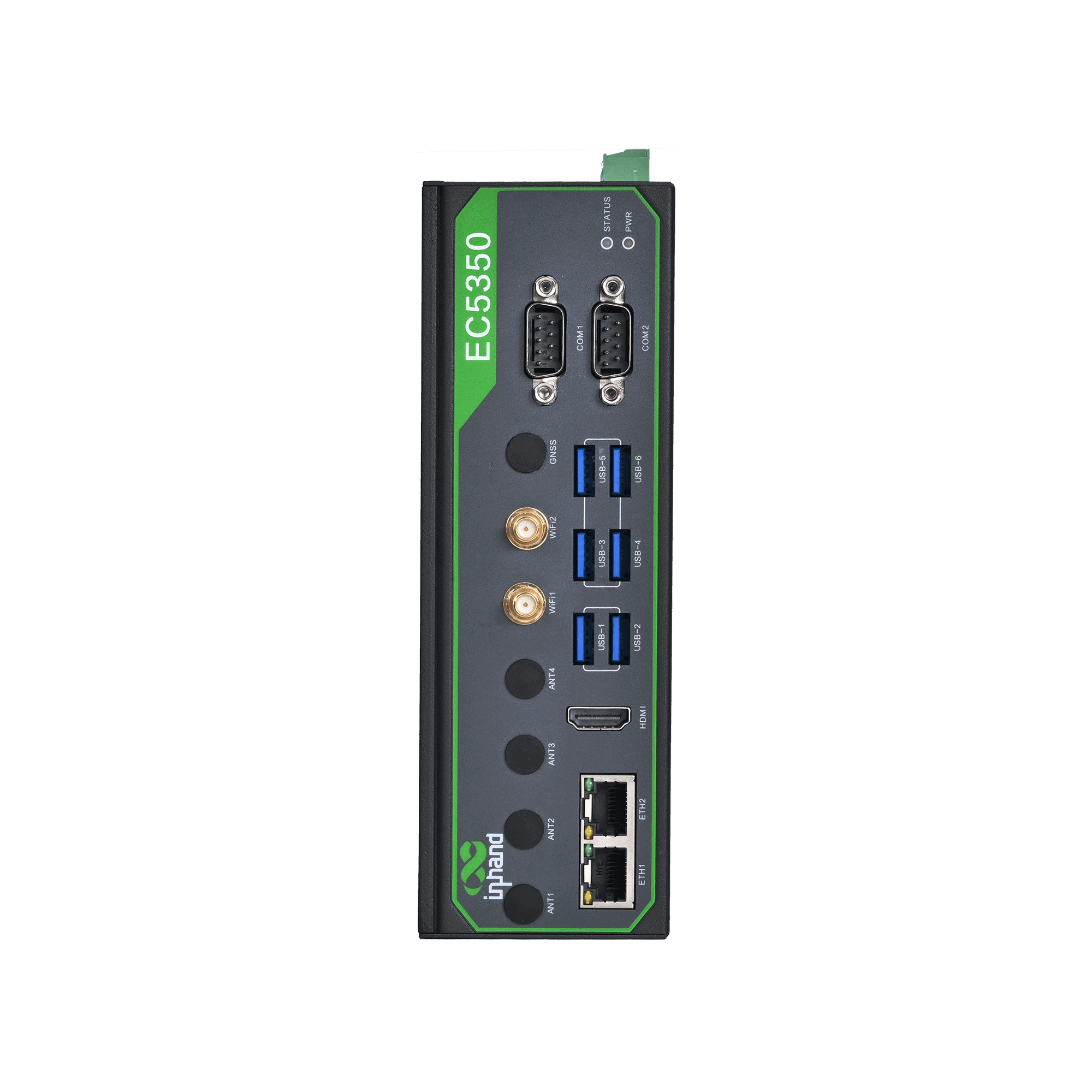
Ultra-High-Performance Industrial AI Edge Inference Platform

Supports the Jetson Orin Nano module to meet moderate AI computing requirements.

Powerful AI inference performance
Delivers up to 67 TOPS AI performance for advanced edge intelligence.

Provides interfaces including PoE, Ethernet, serial ports, CAN, USB, HDMI, and DI/DO.

Supports 5G/4G, Ethernet, and Wi-Fi with multi-link redundancy.

Fanless design with industrial EMC compliance and wide temperature support.

Integrated with DeviceLive for remote device and AI application management.
-
Core Technical Specifications
Cellular Network 5G NR / LTE Cat6 (model-dependent)Network Features Dual SIM backup, multi-level link detection, auto-redialSecurity TPM2.0, Secure BootCloud Management DeviceLive cloud parameter, container, app, and firmware lifecycle managementData Acquisition Modbus RTU/TCP, EtherNet/IP, OPC UA, DNP3.0, IEC 61850-MMS, BACnet, CNCOpen Platform Linux (JetPack 5.1 and above)AI Module Jetson Orin Nano 8GBAI Performance Up to 40 TOPSInterfaces 2×GE, 2×RS-232/485/422, DI/DO, CAN FD, USB3.2, HDMI, audio, GMSL2Storage Built-in 128GB NVMe, Micro SD supportPower Input 9~36V DC, polarity reversal protectionProtection Rating IP30
-
Hardware Platform
CPU ARM Cortex-A78AE, 6 cores, TDP up to 15 W, 1.5 GHzGPU 1024-core NVIDIA Ampere GPU with 32 Tensor CoresNPU AI acceleration up to 40 TOPSRAM 8GBFLASH 1 x M.2 NVMe M-Key 2280 (128GB built-in)
-
Connectivity & Interfaces
Ethernet Ports 2×10/100/1000Mbps, PoE PSE 15W per portI/O Ports 4×DI + 4×DO ,(isolated)Serial Ports 2×RS-232/RS-485/RS-422 (DB9)CAN 1×CAN FD ,(isolated)Buttons 1×Recovery Button, 1×Reset ButtonSIM Card Holders 2×standard SIMLED Indicators 1×Power, 1×Status, 4×UserUSB 6×USB3.2 Gen2 + 1×OTG Type-CTF (Micro SD) Micro SD supportMIC 3.5 mm microphone audio jackAudio 3.5 mm type line-outGMSL 2-channel GMSL2.0 (FAKRA)Expansion Interfaces 1×M.2 B-Key (LTE/5G) 1×M.2 E-Key (Wi-Fi/BT) M.2 NVMe M-Key 2280HDMI 1×HDMI2.0 (up to 3840×2160@60Hz)WiFi 802.11b/g/n/ac (RTL8822CE-CG)Bluetooth BLE5.0GPS Supported (cellular module required)
-
Power & Power Consumption
Input Voltage DC 9~36VPower Interface DC input with polarity reversal protectionTypical Value (OS Idle State) 10WMaximum Value (Full Load) 60W
-
Mechanical Specifications
Product Dimensions 180×160×60 mmMounting Method (Wall-mount Optional) DIN-rail (default) / wall-mountProtection Rating IP30Enclosure & Heat Dissipation Metal housing, fanless designTPM TPM2.0
-
Environment & Certifications
Storage Temperature -40~85℃Operating Temperature -20~60℃Environmental Humidity 5~95% RH (non-condensing)Physical Characteristics IEC60068-2-27 shock resistance IEC60068-2-6 vibration resistance IEC60068-2-32 drop resistanceEMC Standard EN61000-4-2, level 3, Static EN61000-4-3, level 3, Radiation Electric Field EN61000-4-4, level 3, Pulsed Electric Field EN61000-4-5, level 3, Surge EN61000-4-6, level 3, Conducted Disturbance Immunity EN61000-4-8, Power Frequency Field Resistance, horizontal / vertical 400A/m (>level 2) EN61000-4-12, level 3, Shock Wave Resistance
-
Operating System
Operating System Linux (JetPack 5.1 and above)
-
Network Features
Network Access 5G or LTE Cat6 (model-dependent), EthernetNetwork Standards 5G, LTE Cat6 (different models for different networks)
-
Security
Secure Boot Supported
-
Reliability
Link Detection Multi-level link detection with auto-redialBuilt-in Watchdog Embedded watchdog self-recoveryDual SIM Switchover Supported
-
Data Acquisition Protocols (DSA)
Industrial Protocols Modbus RTU Master/Slave, Modbus TCP Master/Slave, EtherNet/IP, ISO on TCP, OPC UA Client/Server, Mitsubishi MC 3C/3E/3C OverTCP, Mitsubishi CPU Port, FINSUDP, HostLink, PPIPower Protocols DLT645-2007, IEC101/104, DNP3.0, IEC 61850-MMSOther Protocols BACnet, CNC
-
Network Management
Upgrade Method Supports patent upgrade mechanism, local or remote firmware upgradeLog Functions Local/remote logs with power-off preservationRemote management DeviceLive / HTTP / HTTPS / SSH remote managementDeviceLive Cloud Supports cloud-based parameter configuration, container management, application and firmware management
Standard package*
- EC5350 AI Edge Computer *1
- 4G Antenna *1
- 5G Antenna *4
- Wi-Fi Antenna *2
- Ethernet Cable *1
- Optional accessories
- Power Adapter *1
- AC Cable *1
- Panel Mounting Kit *1
* Standard package contents vary by standard order codes.
Contact us directly to learn more about our packaging options.
Specifications
-
Core Technical Specifications
Cellular Network 5G NR / LTE Cat6 (model-dependent)Network Features Dual SIM backup, multi-level link detection, auto-redialSecurity TPM2.0, Secure BootCloud Management DeviceLive cloud parameter, container, app, and firmware lifecycle managementData Acquisition Modbus RTU/TCP, EtherNet/IP, OPC UA, DNP3.0, IEC 61850-MMS, BACnet, CNCOpen Platform Linux (JetPack 5.1 and above)AI Module Jetson Orin Nano 8GBAI Performance Up to 40 TOPSInterfaces 2×GE, 2×RS-232/485/422, DI/DO, CAN FD, USB3.2, HDMI, audio, GMSL2Storage Built-in 128GB NVMe, Micro SD supportPower Input 9~36V DC, polarity reversal protectionProtection Rating IP30
-
Hardware Platform
CPU ARM Cortex-A78AE, 6 cores, TDP up to 15 W, 1.5 GHzGPU 1024-core NVIDIA Ampere GPU with 32 Tensor CoresNPU AI acceleration up to 40 TOPSRAM 8GBFLASH 1 x M.2 NVMe M-Key 2280 (128GB built-in)
-
Connectivity & Interfaces
Ethernet Ports 2×10/100/1000Mbps, PoE PSE 15W per portI/O Ports 4×DI + 4×DO ,(isolated)Serial Ports 2×RS-232/RS-485/RS-422 (DB9)CAN 1×CAN FD ,(isolated)Buttons 1×Recovery Button, 1×Reset ButtonSIM Card Holders 2×standard SIMLED Indicators 1×Power, 1×Status, 4×UserUSB 6×USB3.2 Gen2 + 1×OTG Type-CTF (Micro SD) Micro SD supportMIC 3.5 mm microphone audio jackAudio 3.5 mm type line-outGMSL 2-channel GMSL2.0 (FAKRA)Expansion Interfaces 1×M.2 B-Key (LTE/5G) 1×M.2 E-Key (Wi-Fi/BT) M.2 NVMe M-Key 2280HDMI 1×HDMI2.0 (up to 3840×2160@60Hz)WiFi 802.11b/g/n/ac (RTL8822CE-CG)Bluetooth BLE5.0GPS Supported (cellular module required)
-
Power & Power Consumption
Input Voltage DC 9~36VPower Interface DC input with polarity reversal protectionTypical Value (OS Idle State) 10WMaximum Value (Full Load) 60W
-
Mechanical Specifications
Product Dimensions 180×160×60 mmMounting Method (Wall-mount Optional) DIN-rail (default) / wall-mountProtection Rating IP30Enclosure & Heat Dissipation Metal housing, fanless designTPM TPM2.0
-
Environment & Certifications
Storage Temperature -40~85℃Operating Temperature -20~60℃Environmental Humidity 5~95% RH (non-condensing)Physical Characteristics IEC60068-2-27 shock resistance IEC60068-2-6 vibration resistance IEC60068-2-32 drop resistanceEMC Standard EN61000-4-2, level 3, Static EN61000-4-3, level 3, Radiation Electric Field EN61000-4-4, level 3, Pulsed Electric Field EN61000-4-5, level 3, Surge EN61000-4-6, level 3, Conducted Disturbance Immunity EN61000-4-8, Power Frequency Field Resistance, horizontal / vertical 400A/m (>level 2) EN61000-4-12, level 3, Shock Wave Resistance
-
Operating System
Operating System Linux (JetPack 5.1 and above)
-
Network Features
Network Access 5G or LTE Cat6 (model-dependent), EthernetNetwork Standards 5G, LTE Cat6 (different models for different networks)
-
Security
Secure Boot Supported
-
Reliability
Link Detection Multi-level link detection with auto-redialBuilt-in Watchdog Embedded watchdog self-recoveryDual SIM Switchover Supported
-
Data Acquisition Protocols (DSA)
Industrial Protocols Modbus RTU Master/Slave, Modbus TCP Master/Slave, EtherNet/IP, ISO on TCP, OPC UA Client/Server, Mitsubishi MC 3C/3E/3C OverTCP, Mitsubishi CPU Port, FINSUDP, HostLink, PPIPower Protocols DLT645-2007, IEC101/104, DNP3.0, IEC 61850-MMSOther Protocols BACnet, CNC
-
Network Management
Upgrade Method Supports patent upgrade mechanism, local or remote firmware upgradeLog Functions Local/remote logs with power-off preservationRemote management DeviceLive / HTTP / HTTPS / SSH remote managementDeviceLive Cloud Supports cloud-based parameter configuration, container management, application and firmware management
Downloads
Ordering
Standard package*
- EC5350 AI Edge Computer *1
- 4G Antenna *1
- 5G Antenna *4
- Wi-Fi Antenna *2
- Ethernet Cable *1
- Optional accessories
- Power Adapter *1
- AC Cable *1
- Panel Mounting Kit *1
* Standard package contents vary by standard order codes.
Contact us directly to learn more about our packaging options.
DeviceLive
IoT Device Management Platform
Device management, remote monitoring, edge app management, and remote maintenance to help industrial enterprises build intelligent edge networks.
DeviceLive
Frequently Asked Questions
What AI workloads is the EC5350 designed for?
The EC5350 is an NVIDIA Jetson-based AI edge computer built around the NVIDIA Jetson Orin Nano 8 GB (6-core ARM Cortex-A78AE @ 1.5 GHz, 1024-core NVIDIA Ampere GPU with 32 Tensor Cores), delivering up to 67 TOPS of AI compute. It runs Linux (JetPack 5.1+) with Docker container support. Industrial I/O: 2× Gigabit Ethernet PoE PSE (IEEE 802.3af, 15 W per port), 2× RS-232/485/422 (DB9, software-configurable), 4× DI + 4× DO, 1× CAN FD, 2-ch GMSL 2.0 (FAKRA), 6× USB 3.2 Gen 2 + USB-C OTG, 1× HDMI 2.0 (up to 4K@60 Hz), Wi-Fi 5 + BLE 5.0, 2× standard SIM, 128 GB NVMe storage built in, TPM 2.0. Power: DC 9–36 V, 10 W idle / 60 W peak. Form factor: 180 × 160 × 60 mm metal chassis, IP30, DIN-rail or wall-mount, −20 to +60 °C. Cellular options: 5G NR (NRQ3), 4G LTE Cat 6 (FQ09), or no-cellular (EN00).
How do I set up and access the EC5350?
The EC5350 is an NVIDIA Jetson-based edge computer running JetPack 5.1 with HDMI 2.0 + USB 3.2 — three access methods are supported.
Direct (primary): Connect HDMI display + USB keyboard/mouse. Power on, select the System User account on the login screen, and enter the nameplate password. Use the JetPack Linux desktop directly.
Remote — SSH: Connect to the default ETH2 IP 192.168.4.100 using an SSH client (MobaXterm, PuTTY). Log in with the System User credentials from the nameplate.
Remote — IEOS web: Open https://192.168.4.100:9100 (HTTPS only, port 9100). Log in as username adm with the nameplate password.
What AI platform does the EC5350 run?
The EC5350 runs NVIDIA JetPack 5.1+ on the Jetson Orin Nano 8 GB module, with Docker container support, and is compatible with the NVIDIA AI ecosystem. Up to 67 TOPS of AI compute is available for edge inference workloads.
How do I deploy a Docker container on the EC5350?
The EC5350 runs JetPack with Docker container support. For remote container lifecycle management, enroll the EC5350 in DeviceLive — cloud-based parameter configuration, container management, and application and firmware management are exposed in the portal, along with remote batch management of edge AI applications.
—