

Système de surveillance des lignes aériennes de distribution d'énergie
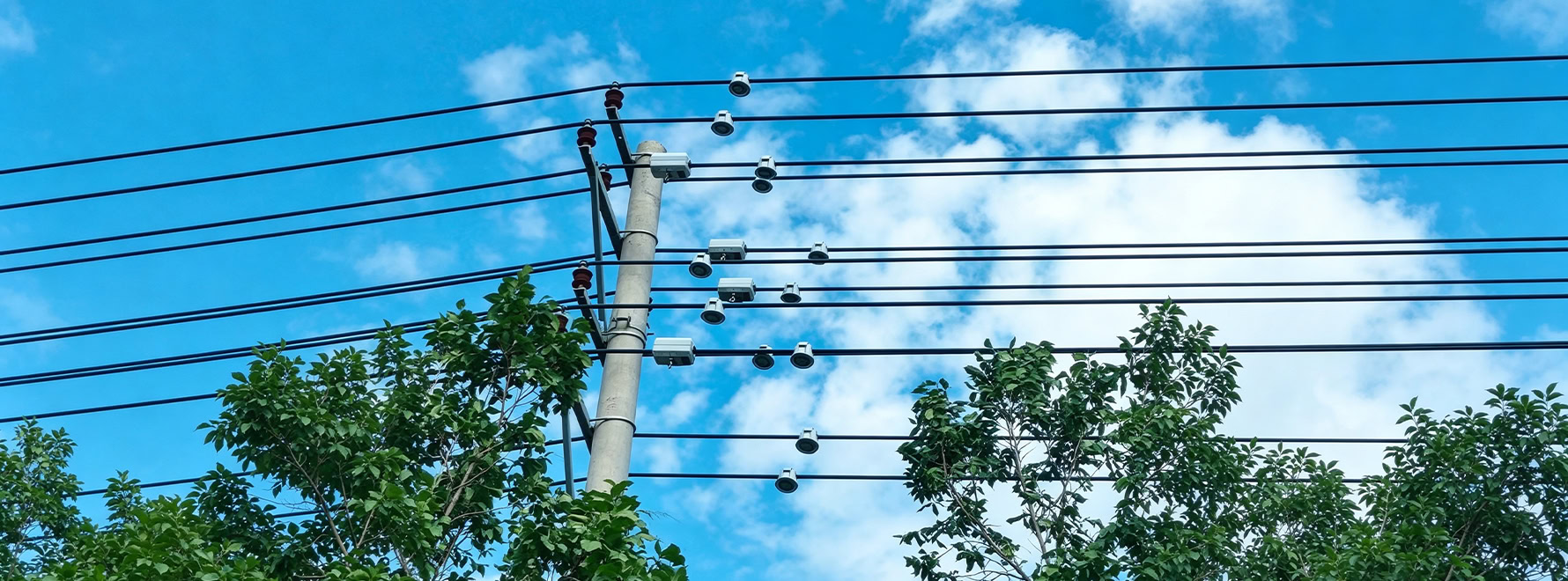
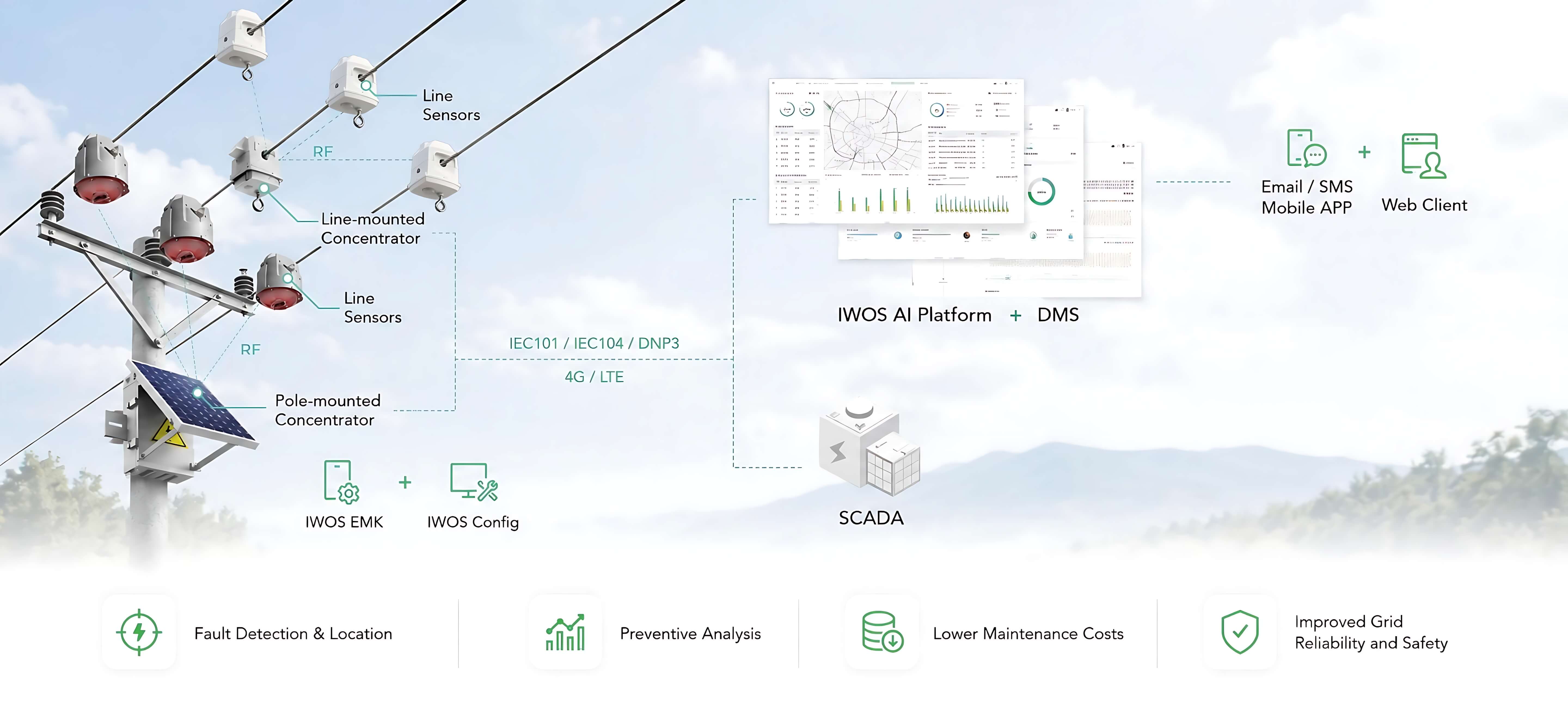
An overhead distribution monitoring solution using sensors, concentrators, and AI analytics in a closed loop of data collection, fault location, and O&M for real-time status awareness, rapid fault detection, and intelligent analysis.
Enable Users to Realize Proactive Line Monitoring and Early Warning
Proactive Monitoring & Early Warning
Delivers proactive monitoring and early warning through real-time tracking, auto-detecting faults to shift from reactive repairs to preventive action.
Fault Pinpointing & Waveform Analysis
Pinpoints faults via waveform capture to speed restoration. Tracing finds root causes quickly, enabling accurate crew dispatch and shorter outages.
Power Quality & Visualized O&M
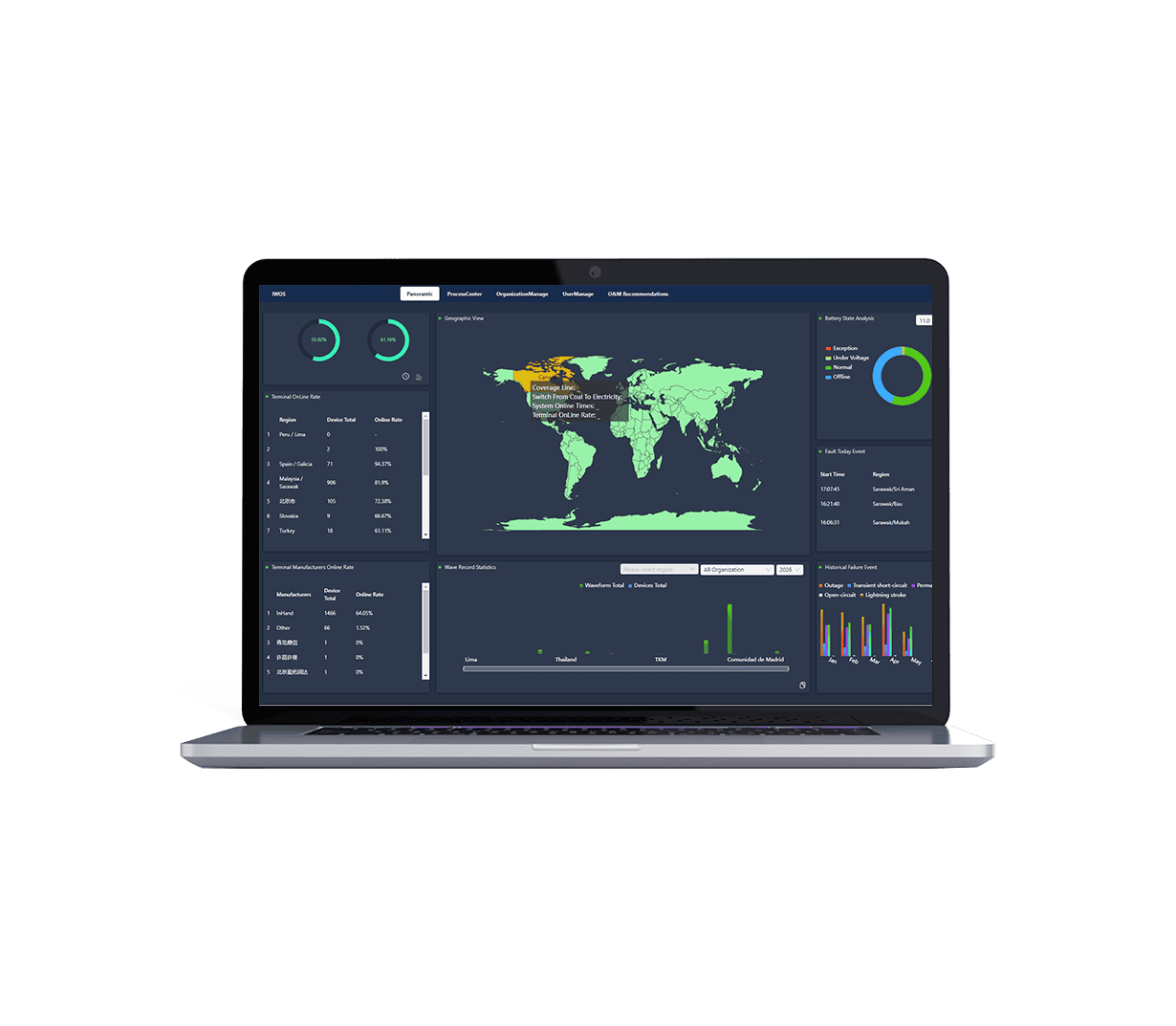
Analyzes power quality and delivers insights via visual dashboards, simplifying O&M by turning complex grid data into actionable information.
Wide Applicability Across Networks
Suits urban and rural feeders from 6kV to 35kV. It handles long spans, rough terrain, and remote areas with poor visibility and rapid response demands.
Distributed Energy Resource Support
Adapts to distributed energy resources and dynamic, intermittent generation, delivering stable monitoring where conventional systems fall short.
Sensor-Concentrator-AI Cloud architecture
Employs a sensor-concentrator-AI Cloud architecture with edge-side aggregation and preprocessing, and cloud-based actionable O&M recommendations.
Seamless Integration & Scalability
Fits multiple grounding systems and existing O&M, supporting distribution automation, investment protection and seamless expansion.
Produits associés
AI Analytics Platform
AI-enabled platform for sensor data analysis and fault detection
Solution
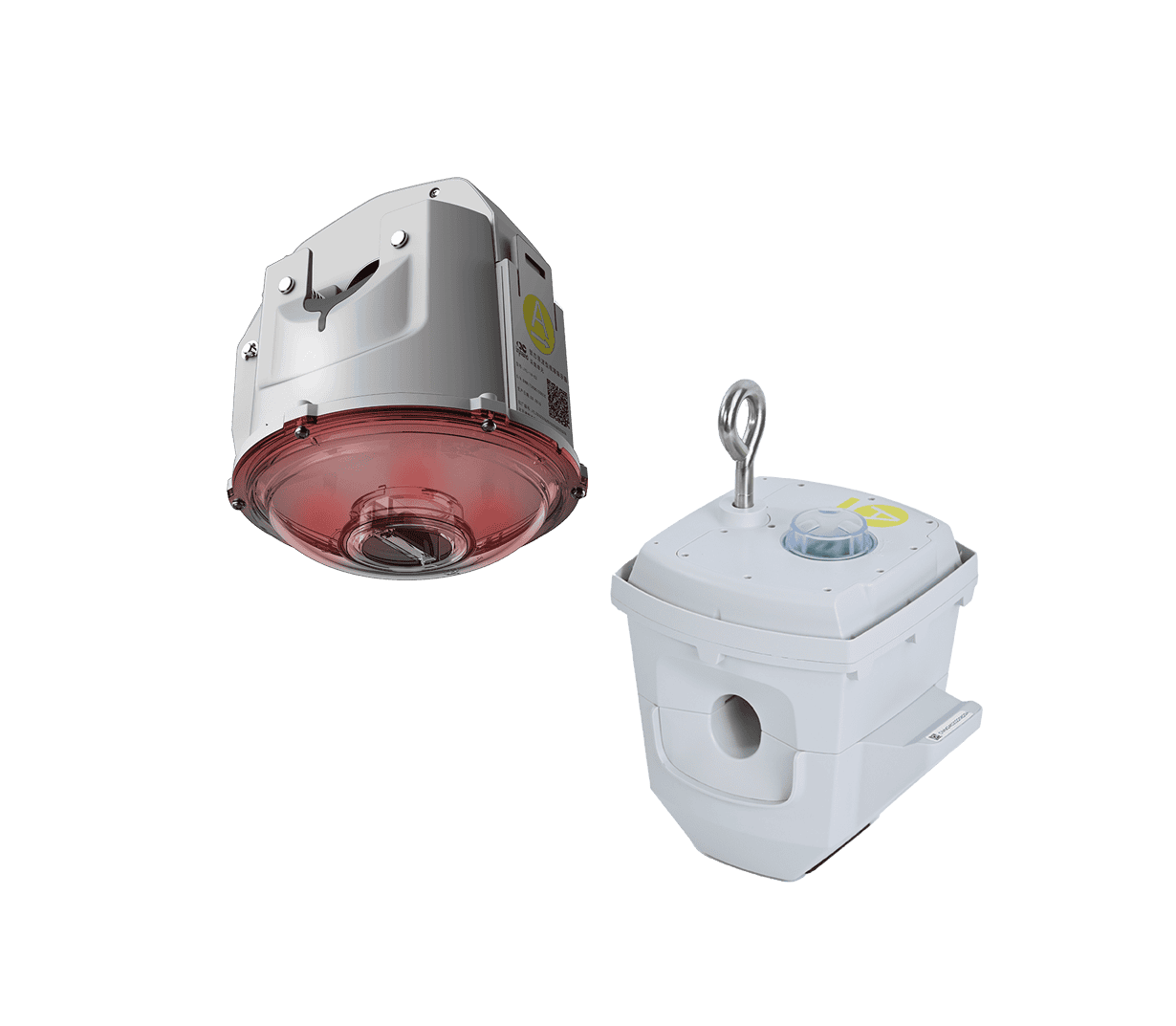
Smart Overhead Line Sensor
Monitors current and voltage to detect overhead line faults
Solution
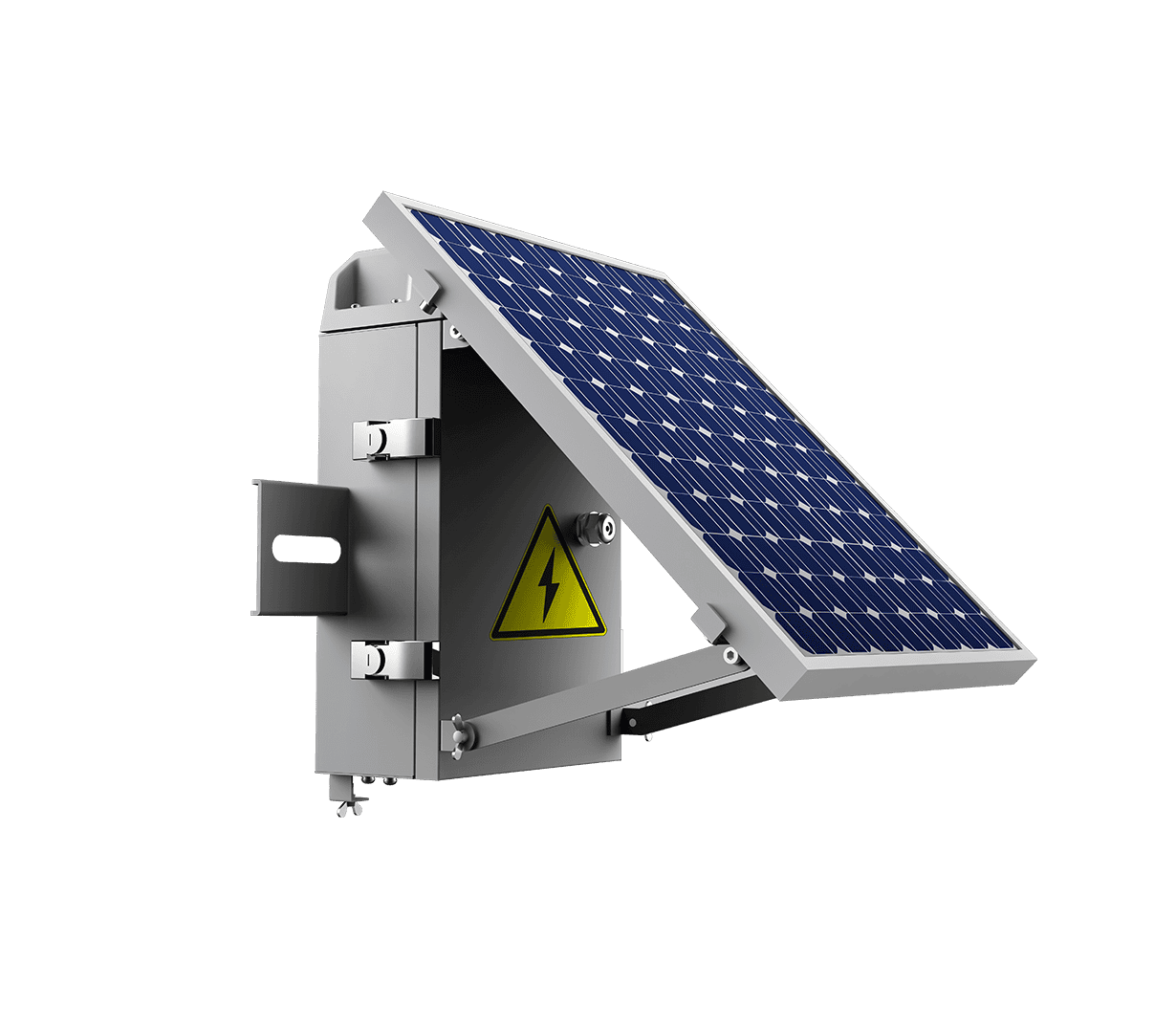
Concentrator
(Pole-mounted)
Solar-powered data transmission to the AI analytics platform
Solution
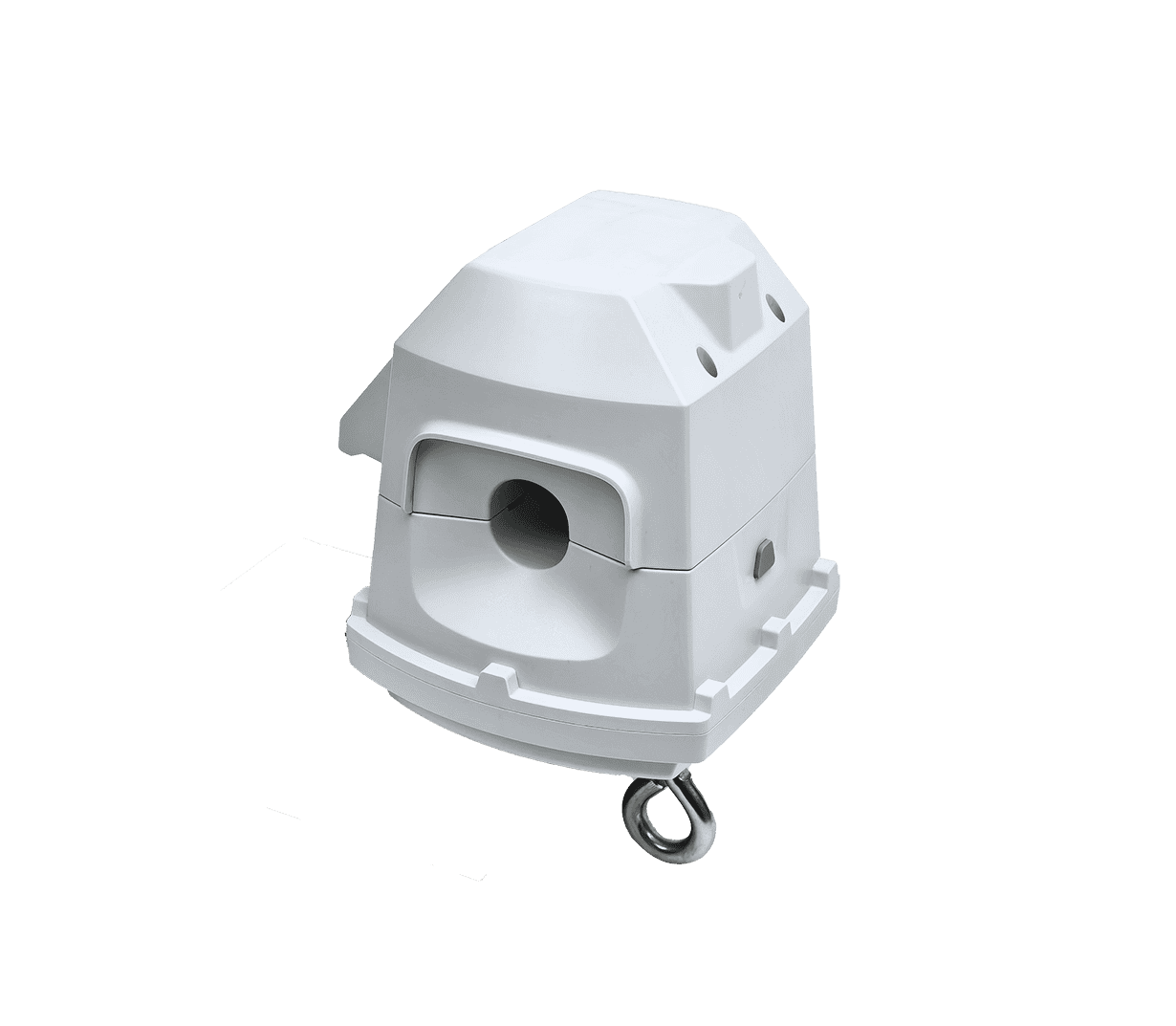
Concentrator
(Line-mounted)
Line-powered data transmission to the AI analytics platform
Solution
Cas connexes
Les capteurs IWOS communiquent directement avec le système SCADA.
IWOS Sensors Directly Communicate With SCADA Applications and Cases Key Takeaways In…
Learn More →Logiciel de plateforme IWOS intégré au système SCADA
IWOS Platform Software Integrated With SCADA Applications and Cases Key Takeaways The…
Learn More →IWOS Sensors Directly Communicate With IWOS Platform
IWOS Sensors Directly Communicate With IWOS Platform Applications and Cases Key Takeaways…
Learn More →Frequently Asked Questions
Which major international power communication protocols do InHand fault indicators support? Can they connect to multiple SCADA master stations?
InHand transient waveform fault indicators support three mainstream utility protocols: DNP3, IEC 60870-5-101, and IEC 60870-5-104, meeting integration needs across North America, Europe, and Asia. The data concentrator can connect to two SCADA master stations simultaneously, fitting different utility monitoring architectures.
Can the fault detection logic be highly customized to match different grid characteristics by country/region?
Yes. The fault detection logic supports full-parameter customization, including 12 key settings such as current thresholds, voltage sag levels, and waveform recording trigger conditions. With a graphical configuration interface, algorithms can be tuned for different neutral grounding methods (e.g., resistance grounding commonly used in the U.S., and resonant grounding in parts of Europe), delivering detection accuracy of ≥99% (short-circuit faults) and ≥95% (ground faults).
Is a handheld wireless maintenance tool available to improve field commissioning efficiency?
Yes. A Bluetooth 5.0 handheld O&M terminal is supported for parameter configuration, fault record reading, and firmware upgrades—up to 100 m communication range in open environments. It reduces the need for pole climbing, lowers maintenance risk, and aligns with utility safety practices. The handheld terminal also supports multi-language UI (e.g., English, Spanish, French, Turkish) for localized field teams.
How can fault data be analyzed remotely with expert diagnostics to reduce on-site O&M costs?
The system provides a cloud-based fault diagnostics platform for remote waveform upload and AI-assisted analysis. A built-in expert diagnostic engine automatically generates reports covering fault type, location, cause, and recommended actions. It also supports remote firmware upgrades and parameter configuration, reducing on-site support for international deployments and cutting average fault handling time by 60%.