


Mo 68A
Tek Kartlı Bilgisayar
Robotik ve endüstriyel görüntüleme dahil olmak üzere orta ila yüksek karmaşıklıkta uç nokta çıkarımı için 8 TOPS'a sahip amiral gemisi açık kaynaklı yapay zeka SBC'si.
Mo 68A
Tek Kartlı Bilgisayar
Robotik ve endüstriyel görüntüleme dahil olmak üzere orta ila yüksek karmaşıklıkta uç nokta çıkarımı için 8 TOPS'a sahip amiral gemisi açık kaynaklı yapay zeka SBC'si.
FOTOĞRAF
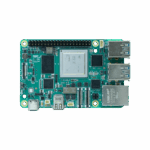
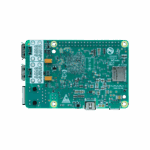
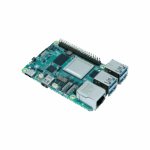
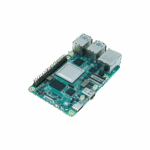
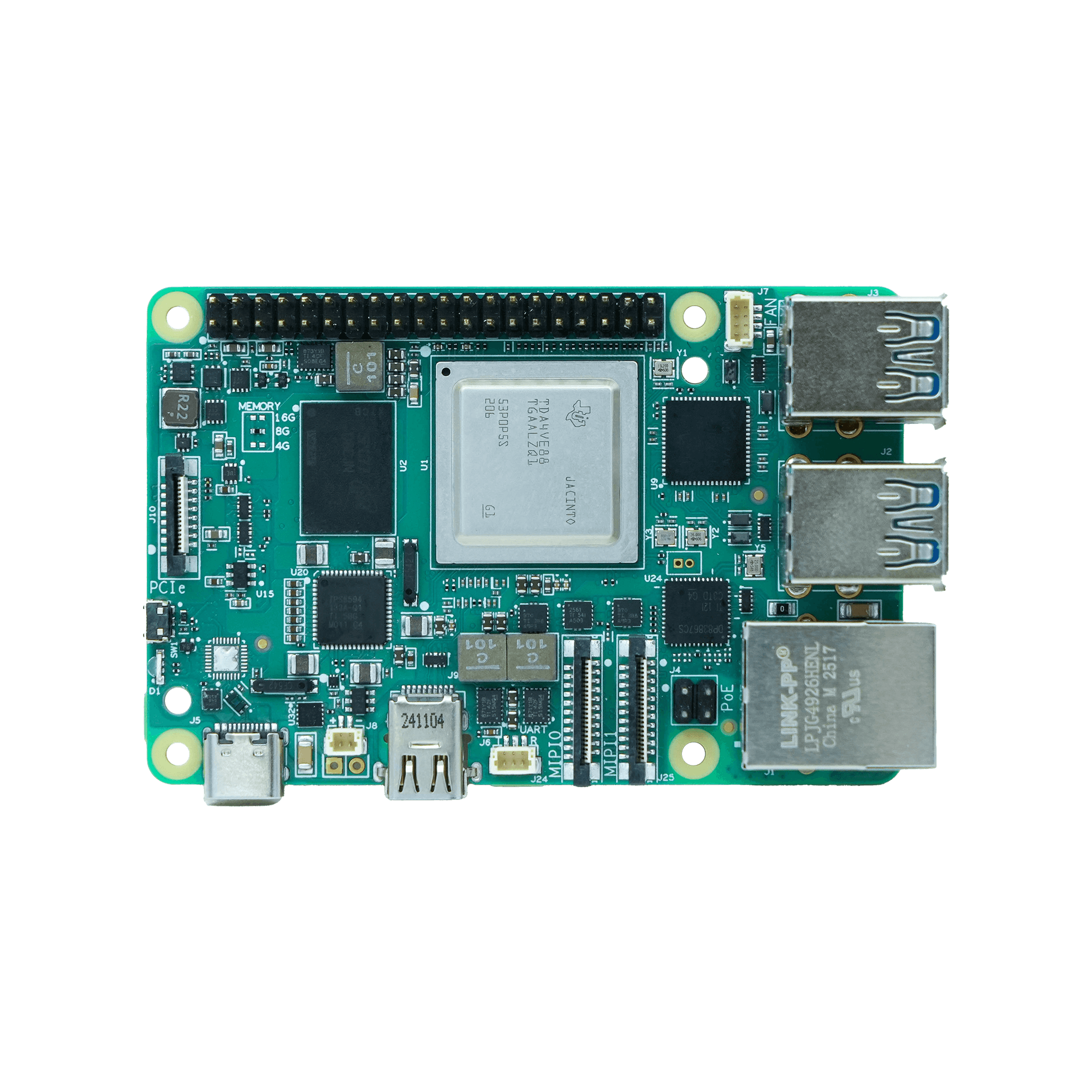
8 TOPS Amiral Gemisi Açık Kaynaklı Yapay Zeka Tek Kartlı Bilgisayar

Yüksek Performanslı İşlemci
Texas Instruments AM68A yapay zeka görüntü işleme işlemcisiyle güçlendirilmiş olup, 2.0 GHz'e kadar hızda çalışan çift çekirdekli 64 bit Arm® Cortex®-A72 CPU'ya sahiptir.

Yapay Zeka Hızlandırması
C7x DSP'ler ve Matris Çarpma Hızlandırıcıları (MMA'lar) ile donatılmış olup, 8 TOPS'a kadar derin öğrenme performansı sunmaktadır.

Zengin Bağlantı
Yüksek hızlı PCIe 3.0 ve USB 3.0'ın yanı sıra, uygun maliyetli çok kameralı ve çok ekranlı sistemler için esnek multimedya giriş/çıkış özellikleri.

Hızlı Prototipleme
40 pinli genişletme başlığı, lehim gerektirmeyen prototipleme ve sensörler, aktüatörler ve bağlantı aksesuarlarıyla geniş uyumluluk sağlar.
Yüksek Performanslı İşlemci
Texas Instruments AM68A yapay zeka görüntü işleme işlemcisiyle güçlendirilmiş olup, 2.0 GHz'e kadar hızda çalışan çift çekirdekli 64 bit Arm® Cortex®-A72 CPU'ya sahiptir.
Yapay Zeka Hızlandırması
C7x DSP'ler ve Matris Çarpma Hızlandırıcıları (MMA'lar) ile donatılmış olup, 8 TOPS'a kadar derin öğrenme performansı sunmaktadır.
Zengin Bağlantı
Yüksek hızlı PCIe 3.0 ve USB 3.0'ın yanı sıra, uygun maliyetli çok kameralı ve çok ekranlı sistemler için esnek multimedya giriş/çıkış özellikleri.
Hızlı Prototipleme
40 pinli genişletme başlığı, lehim gerektirmeyen prototipleme ve sensörler, aktüatörler ve bağlantı aksesuarlarıyla geniş uyumluluk sağlar.
-
Temel Teknik Özellikler
Yapay Zeka Hızlandırıcı 2 x C7 x DSP + Derin Öğrenme Hızlandırıcı, 8 TOPSYapay Zeka Çalışma Zamanı TI TIDL, TFLite / ONNX'i desteklerİşlemci 2 × Cortex-A72 @ 2.0 GHzGelişim Python, C/C++, OpenCV, GStreamerBoyutlar (G × D × Y) 85 × 56 mm (3.35 × 2.2 in)Arayüz 1 × GbE, 4 × USB 3.0, PCIe 3.0, mini DP, MIPI DSI/CSI-2Çalışma Sıcaklığı 0 °C ~ +50 °C (32 °F ~ +122 °F)İşletim sistemi Debian 13 (Gömülü Linux)Güç USB Tip-C 5 V / 5 A DC; ≤ 25 WVeri deposu LPDDR4 4 GB / 8 GB (varsayılan)Güvenlik Güvenli Önyükleme, TrustZone, OP-TEE, Donanım AES-256Görüş VPAC, DMPAC, 4K@60fps H.265 / H.264 kodeği
-
Donanım Platformu
Yapay Zeka Hızlandırıcı 2 x C7 x DSP + Derin Öğrenme Hızlandırıcı, 8 TOPSİşlemci TI AM68A, 2 × Cortex-A72 @ 2.0 GHzISP / Vizyon Çip üzerinde ISP + VPAC (RGB-IR, WDR, LDC)Veri deposu LPDDR4 4 GB / 8 GB (varsayılan)
-
Arayüz
40 pinli Konnektör GPIO / I²C / I²S / SPI / UART / PCM, HAT uyumluSes 40 pinli konektör üzerinden I²SDüğme 1 × Sıfırlama düğmesiKamera 2 × 4 şeritli MIPI CSI-2'ye kadarHata ayıklama 1 × TTL UARTGörüntülemek 1 × mini DP + en fazla 2 × 4 şeritli MIPI DSIEthernet 1 × Gigabit EthernetFan Bağlantı Konektörü 1 × 4 pinli fan konektörü (5 V, PWM, GND, TACH)NEDEN OLMUŞ GÜÇ, DURUMPCIe 1 × PCIe 3.0Depolamak microSDUSB 4 × USB 3.0 Tip-A
-
Güç
Güç Tüketimi 25 W (maks.)Güç girişi USB Tip-C 5 V / 5 A DC
-
Mekanik
Soğutma Aktif fan (isteğe bağlı)Boyutlar (G × D × Y) 85 × 56 mm (3.35 × 2.2 in)Konut PCBRTC Destek (yedek pil)Ağırlık 53 g (0.12 lb)
-
Çevresel
Çalışma Sıcaklığı 0 °C ~ +50 °C (32 °F ~ +122 °F)Depolama Sıcaklığı -20 °C ~ +70 °C (-4 °F ~ +158 °F)
-
İşletim Sistemi
Çekirdek Linux Çekirdeği 6.12İşletim sistemi Debian 13 Trixie
-
Yapay Zeka ve Görüntüleme
Yapay Zeka Çalışma Zamanı TI TIDL, TFLite / ONNX'i desteklerKamera Çerçevesi V4L2Ekran Çerçevesi DRM / KMSVision SDK TI EdgeAI SDK
-
Ağ Özellikleri
IP Başvurusu TCP/UDP, ICMP, DNS, DHCPIP Yönlendirme Statik yönlendirme
-
Güvenlik
Kripto Hızlandırıcı Donanım AES-256OP-TEE DestekGüvenli Önyükleme DestekTrustZone Destek
-
Gelişim
Diller Python, C/C++Kütüphaneler OpenCV, GStreamer, NumPyAçık SDK Müşteri tarafından özel sistem kurulumunu destekler.Paket Yöneticisi apt (Debian)
-
Sistem Yönetimi
Hata ayıklama UART konsoluÜrün Yazılımı Güncellemesi SD kart flaşlamaUzaktan Erişim SSH
Standart paket*
- Mo 68A AI Single Board Computer *1
İsteğe bağlı aksesuarlar
- Güç Kaynağı *1
- Wi-Fi Anteni *1
- RTC Pil *1
- TTL Hata Ayıklama Seri Kablosu *1
- Hayran *1
- Ethernet Kablosu *1
- 32 GB SD Kart *1
- Mikro HDMI - HDMI (MO 62A) *1
- Mini DP - DP (MO 68A) *1
* Standart paket içerikleri, standart sipariş kodlarına göre değişiklik gösterebilir.
Bize Ulaşın Ambalaj seçeneklerimiz hakkında daha fazla bilgi edinmek için doğrudan iletişime geçin.
Teknik Özellikler
-
Temel Teknik Özellikler
Yapay Zeka Hızlandırıcı 2 x C7 x DSP + Derin Öğrenme Hızlandırıcı, 8 TOPSYapay Zeka Çalışma Zamanı TI TIDL, TFLite / ONNX'i desteklerİşlemci 2 × Cortex-A72 @ 2.0 GHzGelişim Python, C/C++, OpenCV, GStreamerBoyutlar (G × D × Y) 85 × 56 mm (3.35 × 2.2 in)Arayüz 1 × GbE, 4 × USB 3.0, PCIe 3.0, mini DP, MIPI DSI/CSI-2Çalışma Sıcaklığı 0 °C ~ +50 °C (32 °F ~ +122 °F)İşletim sistemi Debian 13 (Gömülü Linux)Güç USB Tip-C 5 V / 5 A DC; ≤ 25 WVeri deposu LPDDR4 4 GB / 8 GB (varsayılan)Güvenlik Güvenli Önyükleme, TrustZone, OP-TEE, Donanım AES-256Görüş VPAC, DMPAC, 4K@60fps H.265 / H.264 kodeği
-
Donanım Platformu
Yapay Zeka Hızlandırıcı 2 x C7 x DSP + Derin Öğrenme Hızlandırıcı, 8 TOPSİşlemci TI AM68A, 2 × Cortex-A72 @ 2.0 GHzISP / Vizyon Çip üzerinde ISP + VPAC (RGB-IR, WDR, LDC)Veri deposu LPDDR4 4 GB / 8 GB (varsayılan)
-
Arayüz
40 pinli Konnektör GPIO / I²C / I²S / SPI / UART / PCM, HAT uyumluSes 40 pinli konektör üzerinden I²SDüğme 1 × Sıfırlama düğmesiKamera 2 × 4 şeritli MIPI CSI-2'ye kadarHata ayıklama 1 × TTL UARTGörüntülemek 1 × mini DP + en fazla 2 × 4 şeritli MIPI DSIEthernet 1 × Gigabit EthernetFan Bağlantı Konektörü 1 × 4 pinli fan konektörü (5 V, PWM, GND, TACH)NEDEN OLMUŞ GÜÇ, DURUMPCIe 1 × PCIe 3.0Depolamak microSDUSB 4 × USB 3.0 Tip-A
-
Güç
Güç Tüketimi 25 W (maks.)Güç girişi USB Tip-C 5 V / 5 A DC
-
Mekanik
Soğutma Aktif fan (isteğe bağlı)Boyutlar (G × D × Y) 85 × 56 mm (3.35 × 2.2 in)Konut PCBRTC Destek (yedek pil)Ağırlık 53 g (0.12 lb)
-
Çevresel
Çalışma Sıcaklığı 0 °C ~ +50 °C (32 °F ~ +122 °F)Depolama Sıcaklığı -20 °C ~ +70 °C (-4 °F ~ +158 °F)
-
İşletim Sistemi
Çekirdek Linux Çekirdeği 6.12İşletim sistemi Debian 13 Trixie
-
Yapay Zeka ve Görüntüleme
Yapay Zeka Çalışma Zamanı TI TIDL, TFLite / ONNX'i desteklerKamera Çerçevesi V4L2Ekran Çerçevesi DRM / KMSVision SDK TI EdgeAI SDK
-
Ağ Özellikleri
IP Başvurusu TCP/UDP, ICMP, DNS, DHCPIP Yönlendirme Statik yönlendirme
-
Güvenlik
Kripto Hızlandırıcı Donanım AES-256OP-TEE DestekGüvenli Önyükleme DestekTrustZone Destek
-
Gelişim
Diller Python, C/C++Kütüphaneler OpenCV, GStreamer, NumPyAçık SDK Müşteri tarafından özel sistem kurulumunu destekler.Paket Yöneticisi apt (Debian)
-
Sistem Yönetimi
Hata ayıklama UART konsoluÜrün Yazılımı Güncellemesi SD kart flaşlamaUzaktan Erişim SSH
İndirmeler
Sipariş verme
Standart paket*
- Mo 68A AI Single Board Computer *1
İsteğe bağlı aksesuarlar
- Güç Kaynağı *1
- Wi-Fi Anteni *1
- RTC Pil *1
- TTL Hata Ayıklama Seri Kablosu *1
- Hayran *1
- Ethernet Kablosu *1
- 32 GB SD Kart *1
- Mikro HDMI - HDMI (MO 62A) *1
- Mini DP - DP (MO 68A) *1
* Standart paket içerikleri, standart sipariş kodlarına göre değişiklik gösterebilir.
Bize Ulaşın Ambalaj seçeneklerimiz hakkında daha fazla bilgi edinmek için doğrudan iletişime geçin.
İlgili Vakalar
Kompakt Yapay Zeka Görsel İnceleme Sistemlerinin İnşası
Kompakt Yapay Zeka Görsel İnceleme Sistemlerinin Oluşturulması: Uygulamalar ve Örnekler Önemli Noktalar Hızlandırın…
Daha Fazla Bilgi Edinin →
Yol Kenarı Videolarını Eyleme Dönüştürme
Yol Kenarı Videolarını Eyleme Dönüştürülmüş Trafik Verisi Uygulamaları ve Örnekleri: Temel Çıkarımlar…
Daha Fazla Bilgi Edinin →
Şantiye Alanlarında Daha Akıllı İzleme Sistemleri
Daha Akıllı Şantiye İzleme Sistemleri: Uygulama ve Örnekler - Temel Çıkarımlar - İyileştirme…
Daha Fazla Bilgi Edinin →Sıkça Sorulan Sorular
MO-68A ne gibi özellikler sunuyor?
MO-68A, uç cihazlarda görüntü çıkarımı için geliştirilmiş, 8-TOPS yapay zeka destekli tek kartlı bir bilgisayardır. TI AM68A SoC (TDA4VE / J721S2 ailesi). Başlıca özellikler:
| — | — |
| Hesapla | 2× Cortex-A72 @ 2.0 GHz + 2× C7x DSP + 8-TOPS Derin Öğrenme Hızlandırıcı |
| Vizyon hattı | Çip üzerinde ISP + VPAC (RGB-IR, WDR, LDC) + DMPAC (derinlik ve hareket); 2× 4 şeritli MIPI CSI-2'ye kadar |
| Veri deposu | LPDDR4, 4 GB / 8 GB (varsayılan) Ürün kodları ( MO-68A-4G/-8G ) |
| İşletim sistemi | Armbian (Debian tabanlı) |
| Bağlantı | 1 adet Gigabit Ethernet |
| Diğer G/Ç | 4× USB 3.0 A Tipi, 1× PCIe 3.0, 1× mini DisplayPort (veya 2 adede kadar MIPI DSI), 40 pinli HAT uyumlu başlık, mikro SD |
| Güvenlik | Güvenli Önyükleme, ARM TrustZone, OP-TEE, donanım AES-256 |
| Güç / boyut | USB Type-C 5 V/5 A (maks. 25 W), 85 × 56 mm, 53 g — aktif fan gereklidir |
85 × 56 mm boyutlarındaki kart ve 40 pinli HAT uyumlu düzen, standart SBC ekosistemleriyle mekanik olarak uyumludur. Tipik uygulamalar: Yapay zeka görüntüleme kutuları, akıllı kameralar, uç yapay zeka çıkarım terminalleri, akıllı üretim, akıllı şehir, akıllı enerji, akıllı sağlık hizmetleri, kamu hizmetleri. MO-68A, SSH ve standart Debian/Armbian araçları aracılığıyla yönetilen, geliştirici odaklı bir SBC'dir. Olumsuz InHand IEOS veya DeviceLive'ı çalıştırın.
MO-68A cihazına ilk kez nasıl yazılım yükleyip başlatırım?
- SD kartı programlayın. — InHand web sitesinden MO68A Armbian imajını indirin. Kullanın Armbian Görüntüleyici (Önerilen flash aracı — *balenaEtcher değil*) görüntüyü bir yere yazmak için ≥16 GB Sınıf 10 / UHS-I Mikro SD kart. Seçin. Özel Görüntü KullanDepolama alanını dikkatlice seçin, sonra Silme ve Flaşlama.
- Çevre birimlerini bağlayın sırasıyla — önce fan (J7'de 4 pinli PWM, gerekli (termal yönetim için), ardından SD kart (J23), ardından isteğe bağlı olarak bir mini DisplayPort Masaüstü kullanımı için monitör (J9) ve USB klavye/fare, ardından RJ45 Ethernet (J1).
- Gücü en son uygulayın. — USB-C 5 V/5 A J5 noktasında. Durum LED'i (D1) yanar. kırmızı hemen sonra döner düz yeşil İşletim sistemi çalışırken. Normal önyükleme ≈ 30–45 saniye; İlk açılış 1-2 dakika sürer. Kök dosya sistemi SD kartı dolduracak şekilde genişledikten sonra, kart otomatik olarak bir kez yeniden başlatılır.
- İlk giriş — varsayılan kimlik bilgileri
kök/1234Ardından Armbian, yerel ayar, saat dilimi ve normal bir kullanıcı hesabı oluşturmak için tek seferlik bir başlatma sihirbazı çalıştırır.
Başsız kurulum için anakart DHCP kullanır. eth0 Varsayılan olarak; sihirbazda oluşturulan kullanıcı hesabıyla SSH üzerinden bağlanın. J6'da (115200 baud, 8N1) 3 pinli bir TTL UART hata ayıklama başlığı da mevcuttur. Yalnızca 3,3 V mantık devresiyle çalışır; 5 V adaptör karta zarar verir..
> Ekran notu: Mini DisplayPort çıkışı, dahili DP girişine sahip bir monitör gerektirir. Pasif Mini DP-HDMI adaptörleri bu ihtiyacı karşılar. Olumsuz Çalışma ortamı için aktif bir adaptör veya DP destekli bir monitör kullanın.
MO-68A üzerinde yapay zeka modellerini nasıl çalıştırırım?
8-TOPS Derin Öğrenme Hızlandırıcı ve 2× C7x DSP'ler modelleri şu şekilde yürütür: TI Derin Öğrenme (TIDL) çalışma zamanı, kabul eder TFLite ( .tflite ) Ve ONNX ( .onnx ) modeller. Çip üzerindeki ISP/VPAC, RAW→RGB dönüştürme, WDR ve lens düzeltme işlemlerini gerçekleştirir; DMPAC (Derinlik ve hareket hızlandırıcı) stereo veya çok kameralı görüntüleme için derinlik algılama ve hareket tahmini ön işleme ekler. Python veya C/C++ dillerinde ön ve son işleme genellikle OpenCV ve GStreamer kullanılarak yapılır. TI EdgeAI SDK ve Linux çerçeveleri (kamera için V4L2, ekran için DRM/KMS) sağlanan Armbian imajında mevcuttur.
8 TOPS (MO-62A'nın 4 katı) gücüyle MO-68A, daha yüksek verimliliğe sahip cihaz içi çıkarım işlemleri için uygundur: stereo derinlik algılama, çok kameralı sahne anlama, daha büyük nesne algılama modelleri, daha yüksek kare hızlarında OCR ve birleşik görüntü + hareket analizi.
MO-68A ile MO-62A'nın karşılaştırması nasıl?
| MO-62A | MO-68A | |
| — | — | — |
| İşletim sistemi | Debian Linux | Armbian (Debian tabanlı) |
| SoC | TI AM62A74 | TI AM68A (TDA4VE / J721S2 ailesi) |
| İşlemci | 4 adet Cortex-A53 @ 1.4 GHz | 2 adet Cortex-A72 @ 2.0 GHz |
| Yapay zeka hesaplama | 2 TOPS (1× C7x DSP + DLA) | 8 TOPS (2× C7x DSP + DLA + DMPAC) |
| Veri deposu | 2 / 4 (varsayılan) / 8 GB | 4 / 8 GB (varsayılan) |
| USB | 4 adet USB 2.0 | 4× USB 3.0 |
| PCIe | — | 1× PCIe 3.0 |
| Görüntülemek | mikro HDMI | mini DisplayPort |
| MIPI | 1× CSI-2 | kadar 2× CSI-2 / DSI (değiştirilebilir) |
| Soğutma | aktif fan isteğe bağlı | aktif fan gereklidir |
| Ağırlık | 47 g | 53 g |
Seçin MO-62A Daha düşük maliyetli 2-TOPS edge AI için, fansız veya fan opsiyonel, pasif soğutmalı ve HDMI ekran çıkışlı bir anakart seçin. MO-68A Uygulamanın 4 kat daha fazla yapay zeka işlem gücüne (stereo derinlik, çoklu kamera, daha büyük modeller), daha hızlı USB 3.0 / PCIe 3.0 genişletmeye, çift MIPI portuna veya DMPAC hızlandırmalı derinlik/hareket işlemeye ihtiyaç duyduğu durumlarda.
—