


Mo 68A
حاسوب أحادي اللوحة
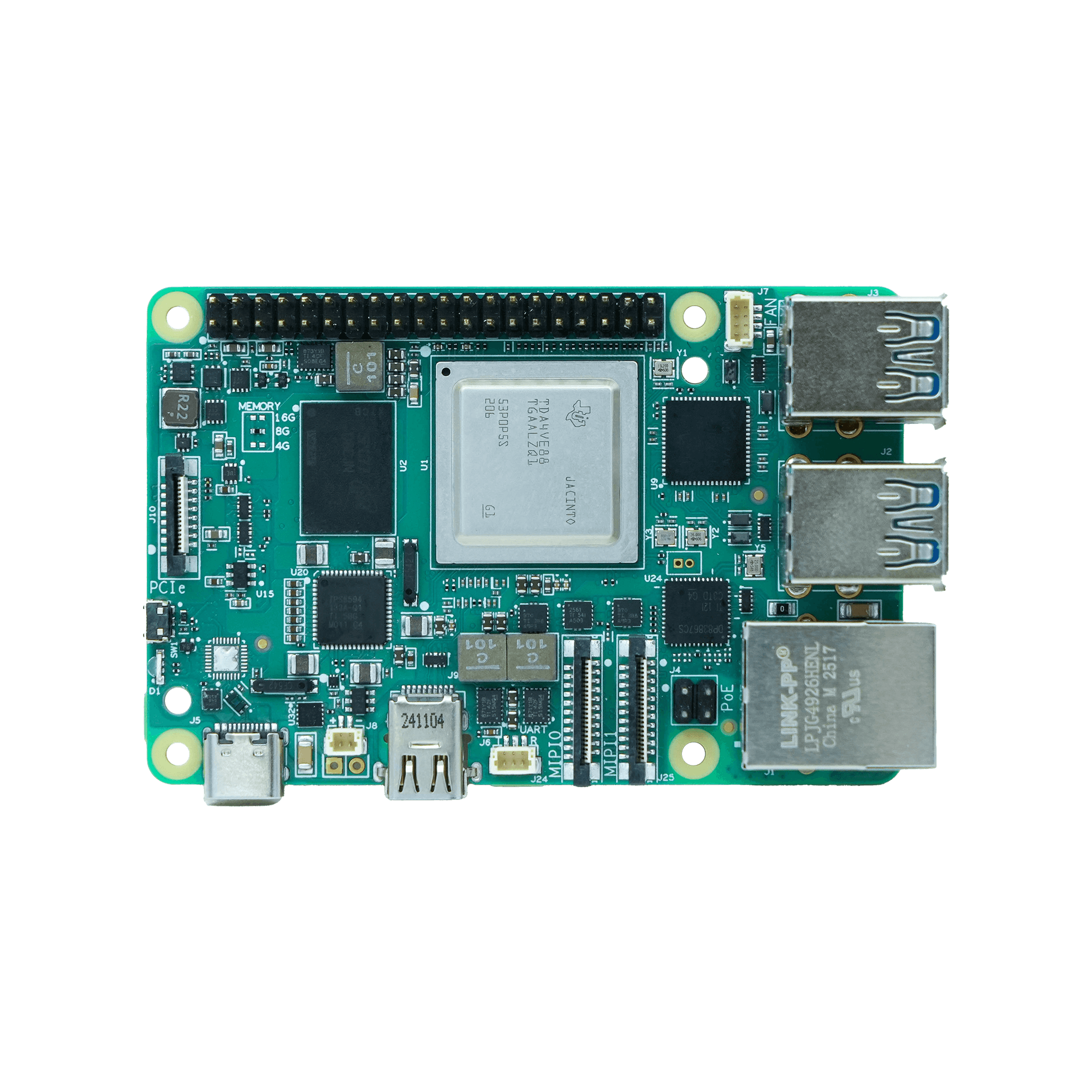
لوحة حاسوبية رائدة مفتوحة المصدر للذكاء الاصطناعي بقدرة 8 تيرابايت في الثانية للاستدلال الطرفي متوسط إلى عالي التعقيد، بما في ذلك الروبوتات والرؤية الصناعية.
Mo 68A
حاسوب أحادي اللوحة
لوحة حاسوبية رائدة مفتوحة المصدر للذكاء الاصطناعي بقدرة 8 تيرابايت في الثانية للاستدلال الطرفي متوسط إلى عالي التعقيد، بما في ذلك الروبوتات والرؤية الصناعية.
صورة
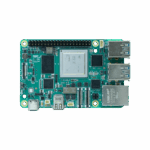
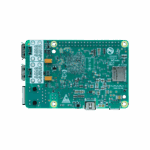
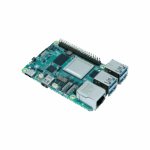
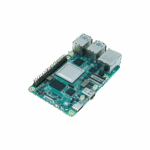
8 TOPS Flagship Open-SOC الذكاء الاصطناعي

معالج عالي الأداء
مدعوم بمعالج الرؤية بالذكاء الاصطناعي AM68A من شركة تكساس إنسترومنتس، والذي يتميز بمعالج ثنائي النواة 64 بت Arm® Cortex®-A72 بتردد يصل إلى 2.0 جيجاهرتز

تسريع الذكاء الاصطناعي
مزود بمعالجات الإشارات الرقمية C7x ومسرعات ضرب المصفوفات (MMAs)، مما يوفر أداءً يصل إلى 8 تيرابايت في الثانية في مجال التعلم العميق

اتصال غني
منافذ PCIe 3.0 و USB 3.0 عالية السرعة، بالإضافة إلى منافذ إدخال/إخراج وسائط متعددة مرنة لأنظمة الكاميرات المتعددة وشاشات العرض المتعددة ذات التكلفة المعقولة

النموذج الأولي السريع
يتيح موصل التوسعة ذو 40 سنًا إمكانية تصميم النماذج الأولية بدون لحام، بالإضافة إلى توافق واسع مع أجهزة الاستشعار والمشغلات وملحقات الاتصال.
معالج عالي الأداء
مدعوم بمعالج الرؤية بالذكاء الاصطناعي AM68A من شركة تكساس إنسترومنتس، والذي يتميز بمعالج ثنائي النواة 64 بت Arm® Cortex®-A72 بتردد يصل إلى 2.0 جيجاهرتز
تسريع الذكاء الاصطناعي
مزود بمعالجات الإشارات الرقمية C7x ومسرعات ضرب المصفوفات (MMAs)، مما يوفر أداءً يصل إلى 8 تيرابايت في الثانية في مجال التعلم العميق
اتصال غني
منافذ PCIe 3.0 و USB 3.0 عالية السرعة، بالإضافة إلى منافذ إدخال/إخراج وسائط متعددة مرنة لأنظمة الكاميرات المتعددة وشاشات العرض المتعددة ذات التكلفة المعقولة
النموذج الأولي السريع
يتيح موصل التوسعة ذو 40 سنًا إمكانية تصميم النماذج الأولية بدون لحام، بالإضافة إلى توافق واسع مع أجهزة الاستشعار والمشغلات وملحقات الاتصال.
-
المواصفات الفنية الأساسية
مسرّع الذكاء الاصطناعي 2 × C7 × معالج الإشارات الرقمية + مسرع التعلم العميق، 8 تيرابايت في الثانيةبيئة تشغيل الذكاء الاصطناعي TI TIDL، يدعم TFLite / ONNXوحدة المعالجة المركزية معالجين Cortex-A72 بتردد 2.0 جيجاهرتزتطوير بايثون، C/C++، OpenCV، جي ستريمرالأبعاد (العرض × العمق × الارتفاع) 85 × 56 mm (3.35 × 2.2 in)واجهة المستخدم 1 × جيجابت، 4 × USB 3.0، PCIe 3.0، mini DP، MIPI DSI/CSI-2درجة حرارة التشغيل 0 °C ~ +50 °C (32 °F ~ +122 °F)نظام التشغيل ديبيان 13 (نظام لينكس المدمج)قوة منفذ USB من النوع C، 5 فولت / 5 أمبير تيار مستمر؛ ≤ 25 واطكبش LPDDR4 4 جيجابايت / 8 جيجابايت (افتراضي)حماية التمهيد الآمن، منطقة الثقة، OP-TEE، تشفير AES-256 للأجهزةرؤية VPAC، DMPAC، ترميز H.265 / H.264 بدقة 4K بمعدل 60 إطارًا في الثانية
-
منصة الأجهزة
مسرّع الذكاء الاصطناعي 2 × C7 × معالج الإشارات الرقمية + مسرع التعلم العميق، 8 تيرابايت في الثانيةوحدة المعالجة المركزية معالج TI AM68A، 2 × Cortex-A72 بسرعة 2.0 جيجاهرتزمزود خدمة الإنترنت / الرؤية معالج إشارة الصور المدمج + VPAC (RGB-IR، WDR، LDC)كبش LPDDR4 4 جيجابايت / 8 جيجابايت (افتراضي)
-
واجهة المستخدم
موصل ذو 40 سنًا GPIO / I²C / I²S / SPI / UART / PCM، متوافق مع HATصوتي I²S عبر موصل ذي 40 سنًازر زر إعادة الضبط × 1آلة تصوير ما يصل إلى 2 × 4 مسارات MIPI CSI-2تصحيح الأخطاء 1 × منفذ UART بتقنية TTLعرض منفذ DP صغير واحد + ما يصل إلى منفذي MIPI DSI رباعيي المساراتإيثرنت 1 × جيجابت إيثرنتموصل المروحة 1 × موصل مروحة رباعي الأطراف (5 فولت، PWM، GND، TACH)قاد الطاقة، الحالةPCIe 1 × PCIe 3.0تخزين microSDUSB 4 × منافذ USB 3.0 من النوع A
-
قوة
استهلاك الطاقة 25 واط (كحد أقصى)مدخل الطاقة منفذ USB من النوع C، 5 فولت / 5 أمبير تيار مستمر
-
ميكانيكياً
تبريد مروحة نشطة (اختياري)الأبعاد (العرض × العمق × الارتفاع) 85 × 56 mm (3.35 × 2.2 in)السكن لوحة الدوائر المطبوعةRTC الدعم (بطارية احتياطية)وزن 53 g (0.12 lb)
-
البيئة
درجة حرارة التشغيل 0 °C ~ +50 °C (32 °F ~ +122 °F)درجة حرارة التخزين -20 °C ~ +70 °C (-4 °F ~ +158 °F)
-
نظام التشغيل
النواة نواة لينكس 6.12نظام التشغيل ديبيان 13 تريكسي
-
الذكاء الاصطناعي والرؤية
بيئة تشغيل الذكاء الاصطناعي TI TIDL، يدعم TFLite / ONNXإطار عمل الكاميرا V4L2إطار العرض إدارة الحقوق الرقمية / إدارة المفاتيحمجموعة تطوير البرامج (SDK) الخاصة بالرؤية TI EdgeAI SDK
-
ميزات الشبكة
تطبيق الملكية الفكرية بروتوكولات TCP/UDP وICMP وDNS وDHCPتوجيه بروتوكول الإنترنت التوجيه الثابت
-
حماية
مسرّع العملات المشفرة أجهزة AES-256تي شيرت مفتوح يدعمنظام تثبيت آمن يدعممنطقة الثقة يدعم
-
تطوير
اللغات بايثون، سي/سي++المكتبات OpenCV، GStreamer، NumPyOpen SDK يدعم بناء الأنظمة المخصصة من قبل العميلمدير الحزم apt (Debian)
-
إدارة النظام
تصحيح الأخطاء وحدة تحكم UARTتحديث البرامج الثابتة ذاكرة فلاش بطاقة SDالوصول عن بعد SSH
الباقة القياسية*
- Mo 68A AI Single Board Computer *1
ملحقات اختيارية
- مزود الطاقة *1
- هوائي واي فاي *1
- بطارية ساعة التوقيت الحقيقي *1
- كابل تسلسلي لتصحيح الأخطاء بتقنية TTL *1
- المروحة *1
- كابل إيثرنت *1
- بطاقة ذاكرة SD سعة 32 جيجابايت *1
- محول Micro HDMI إلى HDMI (MO 62A) *1
- محول صغير من نوع DP إلى DP (MO 68A) *1
* تختلف محتويات العبوة القياسية باختلاف رموز الطلب القياسية.
اتصل بنا للحصول على مزيد من المعلومات حول خيارات التغليف لدينا، يرجى الاتصال بنا مباشرة.
تحديد
-
المواصفات الفنية الأساسية
مسرّع الذكاء الاصطناعي 2 × C7 × معالج الإشارات الرقمية + مسرع التعلم العميق، 8 تيرابايت في الثانيةبيئة تشغيل الذكاء الاصطناعي TI TIDL، يدعم TFLite / ONNXوحدة المعالجة المركزية معالجين Cortex-A72 بتردد 2.0 جيجاهرتزتطوير بايثون، C/C++، OpenCV، جي ستريمرالأبعاد (العرض × العمق × الارتفاع) 85 × 56 mm (3.35 × 2.2 in)واجهة المستخدم 1 × جيجابت، 4 × USB 3.0، PCIe 3.0، mini DP، MIPI DSI/CSI-2درجة حرارة التشغيل 0 °C ~ +50 °C (32 °F ~ +122 °F)نظام التشغيل ديبيان 13 (نظام لينكس المدمج)قوة منفذ USB من النوع C، 5 فولت / 5 أمبير تيار مستمر؛ ≤ 25 واطكبش LPDDR4 4 جيجابايت / 8 جيجابايت (افتراضي)حماية التمهيد الآمن، منطقة الثقة، OP-TEE، تشفير AES-256 للأجهزةرؤية VPAC، DMPAC، ترميز H.265 / H.264 بدقة 4K بمعدل 60 إطارًا في الثانية
-
منصة الأجهزة
مسرّع الذكاء الاصطناعي 2 × C7 × معالج الإشارات الرقمية + مسرع التعلم العميق، 8 تيرابايت في الثانيةوحدة المعالجة المركزية معالج TI AM68A، 2 × Cortex-A72 بسرعة 2.0 جيجاهرتزمزود خدمة الإنترنت / الرؤية معالج إشارة الصور المدمج + VPAC (RGB-IR، WDR، LDC)كبش LPDDR4 4 جيجابايت / 8 جيجابايت (افتراضي)
-
واجهة المستخدم
موصل ذو 40 سنًا GPIO / I²C / I²S / SPI / UART / PCM، متوافق مع HATصوتي I²S عبر موصل ذي 40 سنًازر زر إعادة الضبط × 1آلة تصوير ما يصل إلى 2 × 4 مسارات MIPI CSI-2تصحيح الأخطاء 1 × منفذ UART بتقنية TTLعرض منفذ DP صغير واحد + ما يصل إلى منفذي MIPI DSI رباعيي المساراتإيثرنت 1 × جيجابت إيثرنتموصل المروحة 1 × موصل مروحة رباعي الأطراف (5 فولت، PWM، GND، TACH)قاد الطاقة، الحالةPCIe 1 × PCIe 3.0تخزين microSDUSB 4 × منافذ USB 3.0 من النوع A
-
قوة
استهلاك الطاقة 25 واط (كحد أقصى)مدخل الطاقة منفذ USB من النوع C، 5 فولت / 5 أمبير تيار مستمر
-
ميكانيكياً
تبريد مروحة نشطة (اختياري)الأبعاد (العرض × العمق × الارتفاع) 85 × 56 mm (3.35 × 2.2 in)السكن لوحة الدوائر المطبوعةRTC الدعم (بطارية احتياطية)وزن 53 g (0.12 lb)
-
البيئة
درجة حرارة التشغيل 0 °C ~ +50 °C (32 °F ~ +122 °F)درجة حرارة التخزين -20 °C ~ +70 °C (-4 °F ~ +158 °F)
-
نظام التشغيل
النواة نواة لينكس 6.12نظام التشغيل ديبيان 13 تريكسي
-
الذكاء الاصطناعي والرؤية
بيئة تشغيل الذكاء الاصطناعي TI TIDL، يدعم TFLite / ONNXإطار عمل الكاميرا V4L2إطار العرض إدارة الحقوق الرقمية / إدارة المفاتيحمجموعة تطوير البرامج (SDK) الخاصة بالرؤية TI EdgeAI SDK
-
ميزات الشبكة
تطبيق الملكية الفكرية بروتوكولات TCP/UDP وICMP وDNS وDHCPتوجيه بروتوكول الإنترنت التوجيه الثابت
-
حماية
مسرّع العملات المشفرة أجهزة AES-256تي شيرت مفتوح يدعمنظام تثبيت آمن يدعممنطقة الثقة يدعم
-
تطوير
اللغات بايثون، سي/سي++المكتبات OpenCV، GStreamer، NumPyOpen SDK يدعم بناء الأنظمة المخصصة من قبل العميلمدير الحزم apt (Debian)
-
إدارة النظام
تصحيح الأخطاء وحدة تحكم UARTتحديث البرامج الثابتة ذاكرة فلاش بطاقة SDالوصول عن بعد SSH
التنزيلات
الطلب
الباقة القياسية*
- Mo 68A AI Single Board Computer *1
ملحقات اختيارية
- مزود الطاقة *1
- هوائي واي فاي *1
- بطارية ساعة التوقيت الحقيقي *1
- كابل تسلسلي لتصحيح الأخطاء بتقنية TTL *1
- المروحة *1
- كابل إيثرنت *1
- بطاقة ذاكرة SD سعة 32 جيجابايت *1
- محول Micro HDMI إلى HDMI (MO 62A) *1
- محول صغير من نوع DP إلى DP (MO 68A) *1
* تختلف محتويات العبوة القياسية باختلاف رموز الطلب القياسية.
اتصل بنا للحصول على مزيد من المعلومات حول خيارات التغليف لدينا، يرجى الاتصال بنا مباشرة.
قضايا ذات صلة
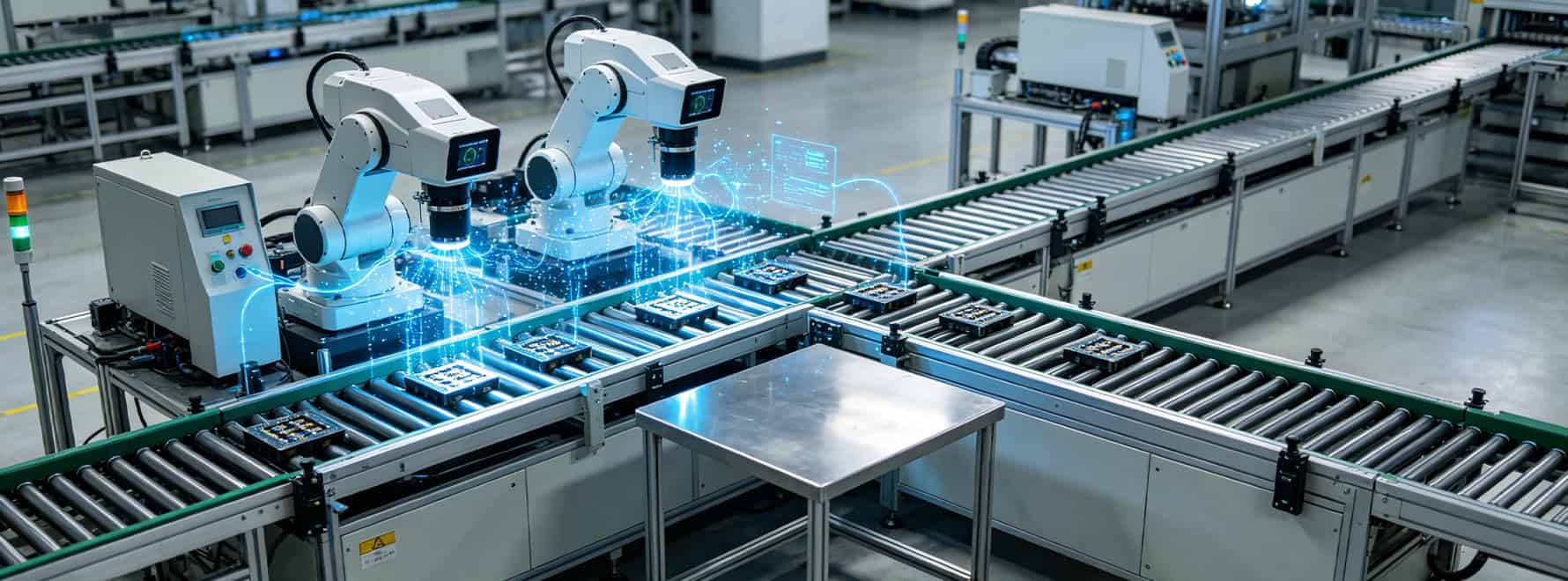
بناء أنظمة فحص بصري مدمجة تعمل بالذكاء الاصطناعي
بناء أنظمة فحص بصري مدمجة تعمل بالذكاء الاصطناعي: التطبيقات والحالات الرئيسية - النقاط الرئيسية - تسريع...
تعرّف على المزيد →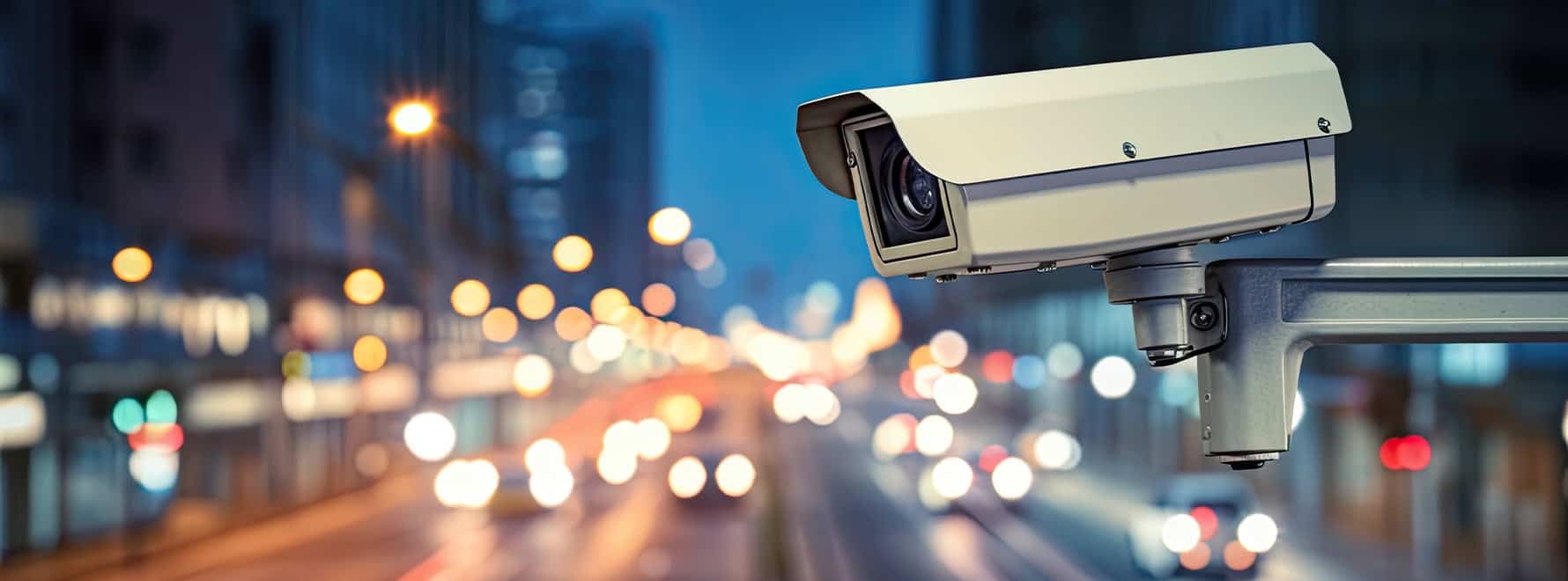
تحويل مقاطع الفيديو على جانب الطريق إلى بيانات مرور قابلة للتنفيذ
تحويل مقاطع الفيديو على جانب الطريق إلى بيانات مرورية قابلة للتنفيذ - تطبيقات وحالات رئيسية...
تعرّف على المزيد →
مراقبة مواقع البناء الذكية على الحافة
مراقبة مواقع البناء الذكية على الحافة: التطبيقات والحالات الرئيسية - تحسين...
تعرّف على المزيد →الأسئلة الشائعة
ما الذي يقدمه جهاز MO-68A؟
يُعدّ MO-68A حاسوبًا لوحيًا أحادي اللوحة بتقنية الذكاء الاصطناعي بقدرة 8 تيرابايت في الثانية، مُصممًا لاستنتاج الرؤية على الأجهزة الطرفية، ومبنيًا على... TI AM68A نظام على شريحة (عائلة TDA4VE / J721S2). المواصفات الرئيسية:
| — | — |
| الحوسبة | معالجين Cortex-A72 بسرعة 2.0 جيجاهرتز + معالجين C7x DSP + مسرّع التعلم العميق 8-TOPS |
| خط أنابيب الرؤية | معالج إشارة الصور المدمج + VPAC (RGB-IR، WDR، LDC) + دي إم بي إيه سي (العمق والحركة)؛ حتى 2 × 4 مسارات MIPI CSI-2 |
| كبش | LPDDR4، 4 جيجابايت / 8 جيجابايت (افتراضي) وحدات التخزين ( MO-68A-4G/-8G ) |
| نظام التشغيل | أرمبيان (مبني على دبيان) |
| الاتصال | 1× جيجابت إيثرنت |
| منافذ إدخال/إخراج أخرى | 4× USB 3.0 النوع أ، 1× PCIe 3.01× منفذ عرض مصغر (أو ما يصل إلى 2× MIPI DSI)، موصل متوافق مع HAT ذو 40 سنًا، بطاقة ذاكرة microSD |
| حماية | التمهيد الآمن، وARM TrustZone، وOP-TEE، وAES-256 للأجهزة |
| القوة / الحجم | منفذ USB من النوع C، 5 فولت/5 أمبير (25 واط كحد أقصى)، 85 × 56 مم، 53 غرامًا — يلزم تشغيل المروحة |
تتميز اللوحة الأم بقياس 85 × 56 مم وتصميمها المتوافق مع HAT ذي 40 سنًا، مما يجعلها متوافقة ميكانيكيًا مع أنظمة SBC القياسية. تشمل التطبيقات النموذجية: صناديق الرؤية المدعومة بالذكاء الاصطناعي، والكاميرات الذكية، ومحطات استدلال الذكاء الاصطناعي الطرفية، والتصنيع الذكي، والمدن الذكية، والطاقة الذكية، والرعاية الصحية الذكية، والمرافق العامة. MO-68A عبارة عن لوحة SBC موجهة للمطورين، تُدار عبر SSH وأدوات Debian/Armbian القياسية. لا قم بتشغيل InHand IEOS أو DeviceLive.
كيف أقوم بتثبيت نظام التشغيل على جهاز MO-68A وتشغيله لأول مرة؟
- قم بتحديث بطاقة الذاكرة الخارجية (SD) — قم بتنزيل صورة نظام التشغيل أرمبيان MO68A من موقع InHand الإلكتروني. استخدم أرمينيا إيماجر (أداة الفلاش الموصى بها - *ليست* balenaEtcher) لكتابة الصورة إلى ≥16 جيجابايت الفئة 10 / UHS-I بطاقة ذاكرة مايكرو إس دي. اختر استخدم صورة مخصصةاختر مكان التخزين بعناية، ثم مسح ووميض.
- قم بتوصيل الأجهزة الطرفية بالترتيب - المروحة أولاً (4 دبابيس PWM عند J7، مطلوب لإدارة الحرارة)، ثم بطاقة SD (J23)، ثم اختياريًا... منفذ عرض مصغر شاشة (J9) ولوحة مفاتيح/ماوس USB للاستخدام على سطح المكتب، ثم منفذ إيثرنت RJ45 (J1).
- استخدم الطاقة في النهاية — منفذ USB-C 5 فولت / 5 أمبير عند J5. يضيء مؤشر الحالة LED (D1) أحمر ثم يستدير على الفور أخضر داكن عند تشغيل نظام التشغيل. مدة الإقلاع العادية ≈ 30-45 ثانية؛ تستغرق عملية التشغيل الأولى من دقيقة إلى دقيقتين بينما يتوسع نظام الملفات الجذر لملء بطاقة الذاكرة SD، وبعد ذلك تتم إعادة تشغيل اللوحة تلقائيًا مرة واحدة.
- تسجيل الدخول أولاً — بيانات الاعتماد الافتراضية
جذر/1234ثم يقوم Armbian بتشغيل معالج تهيئة لمرة واحدة لتحديد اللغة والمنطقة الزمنية وإنشاء حساب مستخدم عادي.
في حالة الإعداد بدون شاشة، تستخدم اللوحة بروتوكول DHCP eth0 افتراضيًا؛ يتم تسجيل الدخول عبر SSH باستخدام حساب المستخدم الذي تم إنشاؤه في المعالج. كما يتم توفير موصل تصحيح أخطاء UART ثلاثي الأطراف بتقنية TTL عند J6 (115200 باود، 8N1) — منطق 3.3 فولت فقط؛ محول 5 فولت سيتلف اللوحة.
> ملاحظة العرض: يتطلب مخرج Mini DisplayPort شاشة مزودة بمدخل DP أصلي. وتقوم محولات Mini DP-to-HDMI السلبية بذلك. لا العمل - استخدم محولًا نشطًا أو شاشة عرض أصلية بتقنية DP.
كيف أقوم بتشغيل نماذج الذكاء الاصطناعي على جهاز MO-68A؟
يقوم مُسرِّع التعلّم العميق بقدرة 8 تيرابايت في الثانية ومعالجات الإشارات الرقمية C7x المزدوجة بتنفيذ النماذج من خلال التعلم العميق من شركة TI (TIDL) وقت التشغيل، الذي يقبل تي إف لايت ( .tflite ) و ONNX ( .onnx ) النماذج. تتولى وحدة معالجة الصور/معالجة الفيديو المدمجة تحويل RAW إلى RGB، وتقنية النطاق الديناميكي الواسع (WDR)، وتصحيح العدسة؛ دي إم بي إيه سي يُضيف مُسرِّع العمق والحركة معالجةً مُسبقةً لإدراك العمق وتقدير الحركة للرؤية المجسمة أو متعددة الكاميرات. تستخدم المعالجة المُسبقة واللاحقة في بايثون أو سي/سي++ عادةً مكتبتي OpenCV وGStreamer. يتوفر كلٌّ من حزمة تطوير البرمجيات TI EdgeAI وأُطر عمل لينكس (V4L2 للكاميرا، وDRM/KMS للعرض) على صورة Armbian المُرفقة.
بمعدل 8 تيرابايت في الثانية - أي 4 أضعاف MO-62A - فإن MO-68A مناسب للاستدلال عالي الإنتاجية على الجهاز: عمق الاستريو، وفهم المشهد متعدد الكاميرات، ونماذج اكتشاف الكائنات الأكبر حجمًا، والتعرف الضوئي على الأحرف بمعدلات إطارات أعلى، وتحليلات الرؤية والحركة المدمجة.
كيف تتم مقارنة MO-68A بـ MO-62A؟
| MO-62A | MO-68A | |
| — | — | — |
| نظام التشغيل | ديبيان لينكس | أرمبيان (مبني على دبيان) |
| نظام على شريحة | TI AM62A74 | TI AM68A (عائلة TDA4VE / J721S2) |
| وحدة المعالجة المركزية | 4× Cortex-A53 بسرعة 1.4 جيجاهرتز | معالجين Cortex-A72 بسرعة 2.0 جيجاهرتز |
| الحوسبة الذكية | 2 TOPS (1× C7x DSP + DLA) | 8 TOPS (2× C7x DSP + DLA + DMPAC) |
| كبش | 2 / 4 (افتراضي) / 8 جيجابايت | 4 / 8 جيجابايت (افتراضي) |
| USB | 4 منافذ USB 2.0 | 4× USB 3.0 |
| PCIe | — | منفذ PCIe 3.0 واحد |
| عرض | منفذ micro HDMI | منفذ عرض مصغر |
| معهد ماساتشوستس للتكنولوجيا | 1× CSI-2 | حتى 2× CSI-2 / DSI (قابل للتبديل) |
| تبريد | مروحة نشطة اختيارية | يلزم تشغيل المروحة |
| وزن | 47 غرام | 53 غرام |
اختر MO-62A للحصول على ذكاء اصطناعي متطور بقدرة 2 تيرابايت في الثانية بتكلفة أقل على لوحة بدون مروحة أو مع مروحة اختيارية، مع تبريد سلبي ومنفذ عرض HDMI. اختر MO-68A عندما يحتاج التطبيق إلى 4 أضعاف قدرة الحوسبة للذكاء الاصطناعي (العمق المجسم، الكاميرات المتعددة، النماذج الأكبر حجماً)، وتوسيع USB 3.0 / PCIe 3.0 أسرع، ومنافذ MIPI مزدوجة، أو معالجة العمق / الحركة المعجلة بواسطة DMPAC.
—