The smartest player on the pitch might be the ball
Blog
The smartest player on the pitch might not be a player at all.
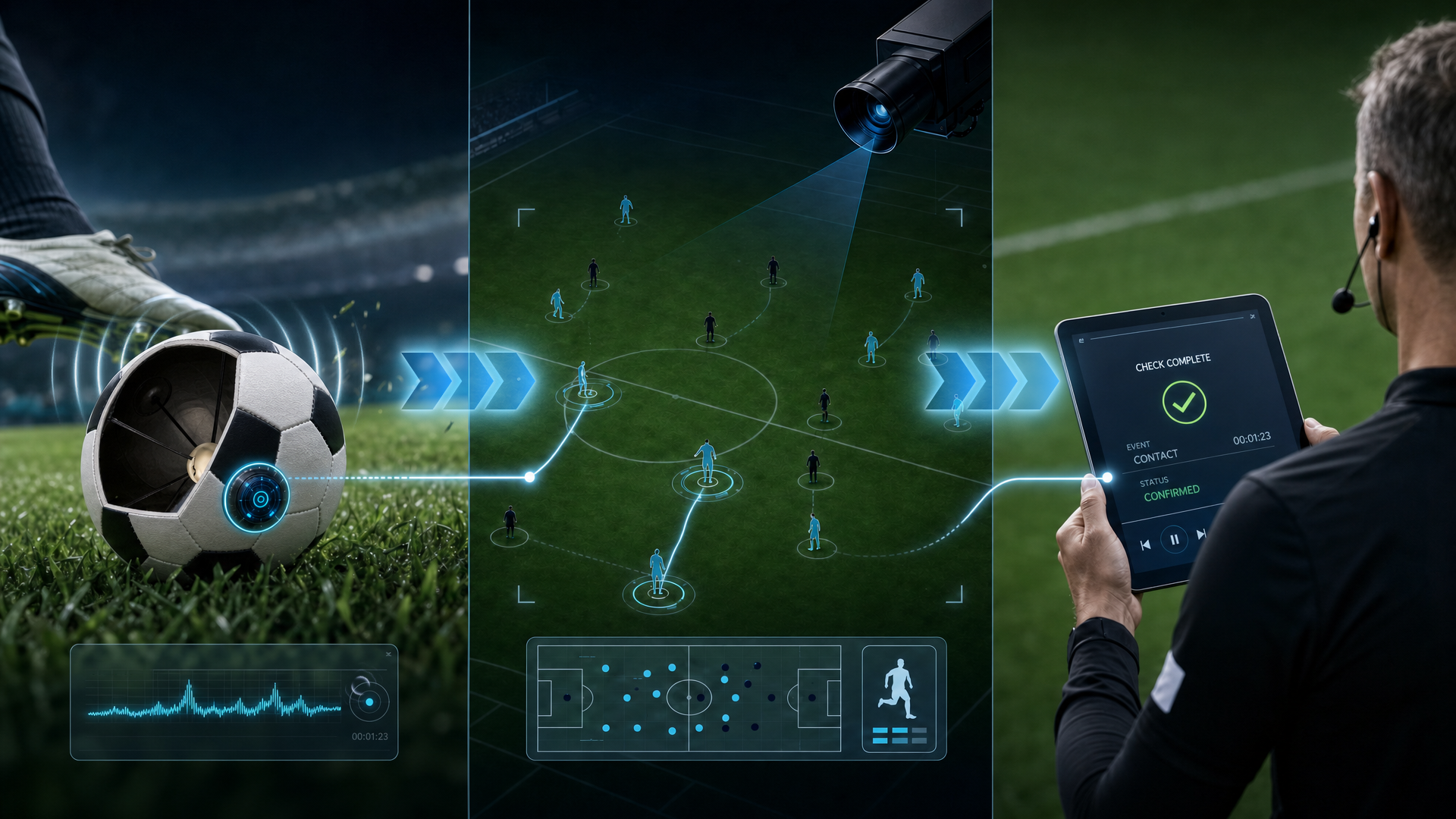
At this year’s global football tournament, the connected match ball contains a sensor that operates at around 500Hz. It records movement data and sends it to the video assistant referee system in real time. One of its most important roles is helping match officials identify the exact moment the ball was touched, an essential detail in close offside situations.
But the ball does not make the decision.
The ball knows **when** it was touched. Dedicated tracking cameras know **where** the players were. Advanced Semi-Automated Offside Technology, or SAOT, brings those data streams together.
For clear positional offsides, the advanced system can send information directly to the match officials on the pitch, allowing assistant referees to raise the flag more quickly. More complex questions, such as whether an offside player interfered with play, still require interpretation by video match officials and referees.
Technology is accelerating the delivery of evidence. It is not removing human judgment.
Football’s Biggest Tournament Is Also a Real-Time Data System
The connected ball is only one part of a much larger digital environment.
Each of the tournament’s 16 stadiums is equipped with 16 optical tracking cameras. The tournament’s organisers say these systems produce more than 150 million tracking data points during every match. The data can help recreate the match in 3D, support difficult offside assessments and help officials determine whether the ball crossed the touchline during the build-up to a goal.
Viewers can also see technology changing the way the game is experienced. Referee View uses a small camera worn by the main official to capture high-definition video and audio from the referee’s perspective. Stabilisation technology reduces excessive movement in the original feed, making the first-person footage clearer for broadcast audiences.
Before the tournament, all 1,248 participating players were scanned to create individual 3D avatars. These models support more precise player measurements within advanced SAOT and make offside visualisations more realistic and easier for viewers to understand.
An AI-powered match-analysis assistant was also made available to all 48 participating teams. By the end of the group stage, teams had used the tool in 15 languages to explore official match data, footage and 3D video.
Technology is changing how decisions are supported, how teams analyse performance, and how audiences experience the game.
The Digital Footprint Extends Beyond the Pitch
The technology on the pitch works in milliseconds and centimetres. Beyond the pitch, the same tournament compresses enormous amounts of attention and business activity into a few intense hours.
Every major moment triggers another wave of digital activity. Phones rise, videos are uploaded, replays are streamed, statistics are refreshed and reactions travel across networks almost instantly.
But every match creates **two simultaneous peaks**: a peak in attention and a peak in operations.
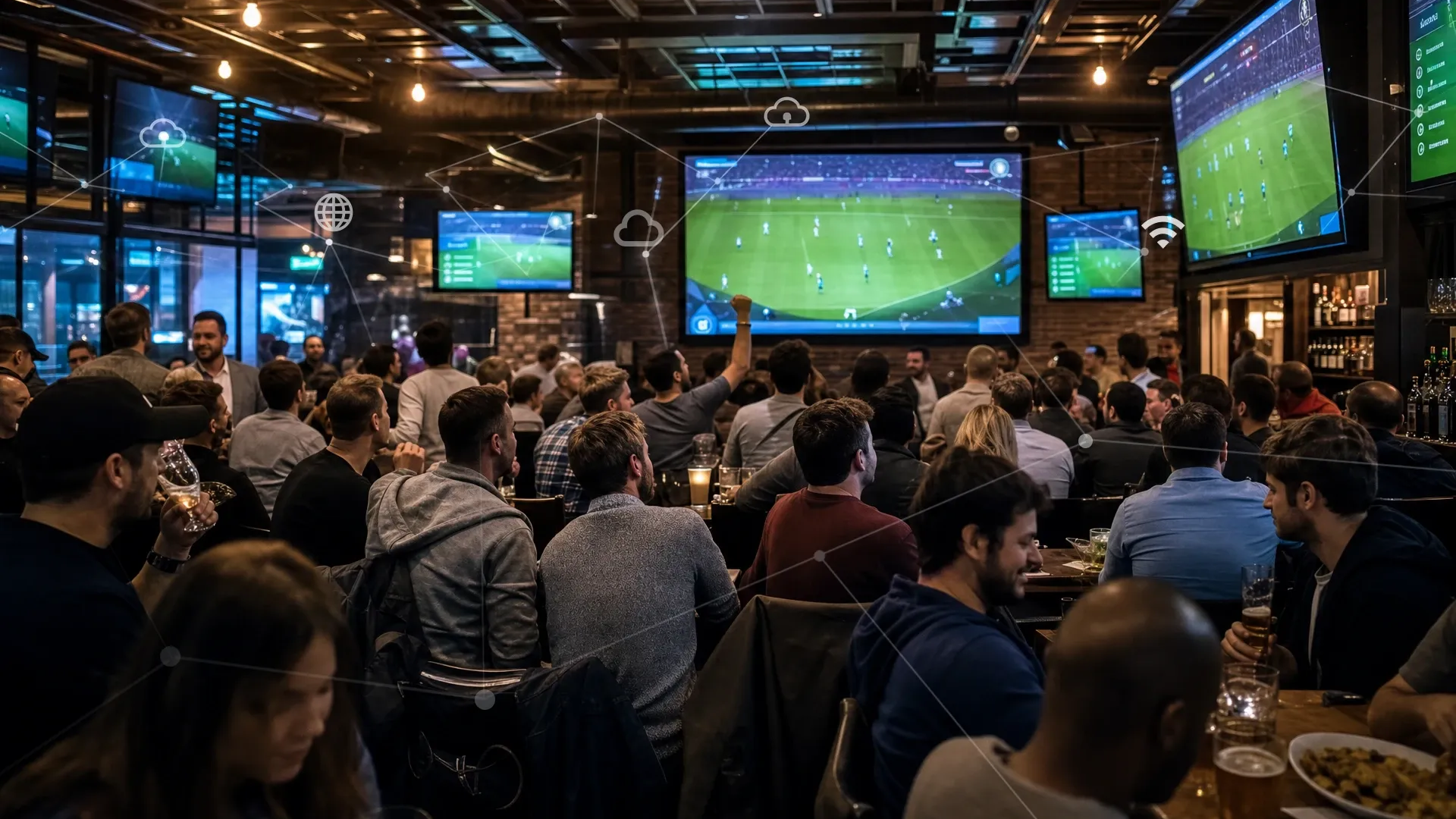
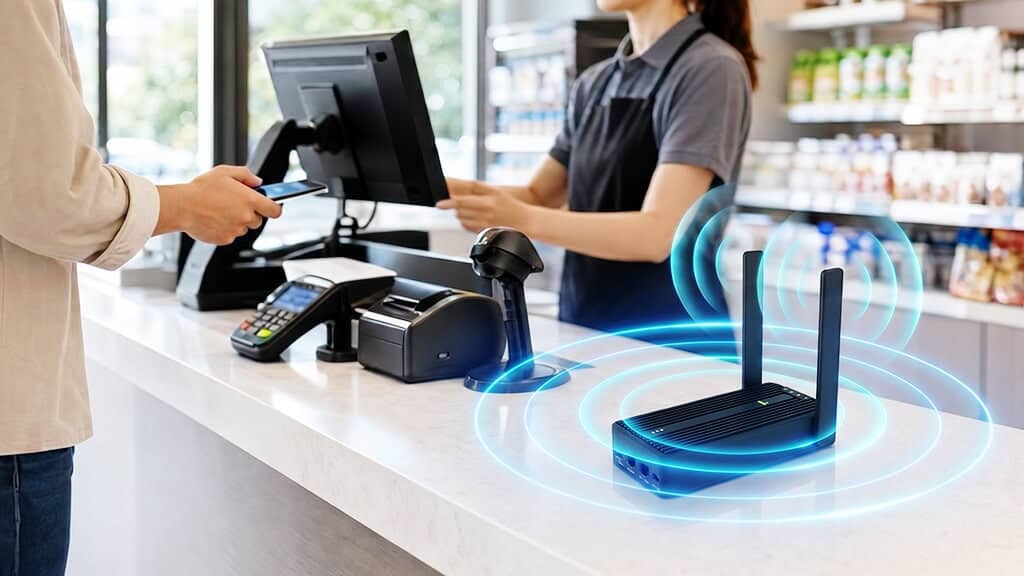
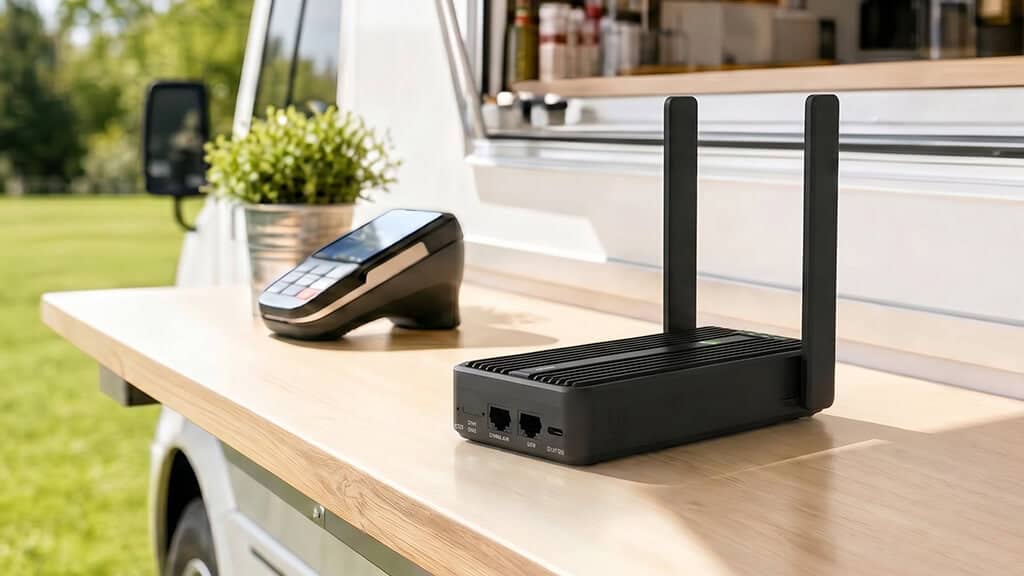
Around match time, bars and restaurants process waves of orders and payments. Retail stores handle sudden bursts of transactions. Pop-up sellers depend on temporary connections. Mobile content teams race to upload footage while public attention is still at its highest.
These business systems are completely different from the technology used for football officiating. The connection is not that they use the same tools. It is that both depend on data reaching the right place at the right moment.
What peak moments create and reveal
Major sporting events do more than expose existing connectivity weaknesses. They create unusual demand patterns. Temporary sites come online, more users and business systems compete for connectivity, and several locations may reach peak load within the same narrow window.
A single fixed connection can suddenly look fragile. Guest traffic may compete with payment and ordering systems. Temporary locations may discover that improvised connectivity is not enough. Central IT teams may struggle to understand what is happening across several busy sites at once.
This is why business connectivity requires more than raw speed. It may also require backup links, automatic failover, separation of critical and guest traffic, and centralised remote management.
What should businesses examine before the next peak?
- Does critical traffic still have a path if the primary connection fails?
Payments, ordering systems, cloud applications and operational tools should not depend entirely on a single connection.
- Are critical applications protected from guest traffic?
When customer traffic rises, payments and business applications may need separate policies or priority to maintain consistent performance.
- Can temporary and mobile sites get online quickly?
Pop-up stores, outdoor selling points and mobile teams often cannot wait for a conventional fixed-line installation.
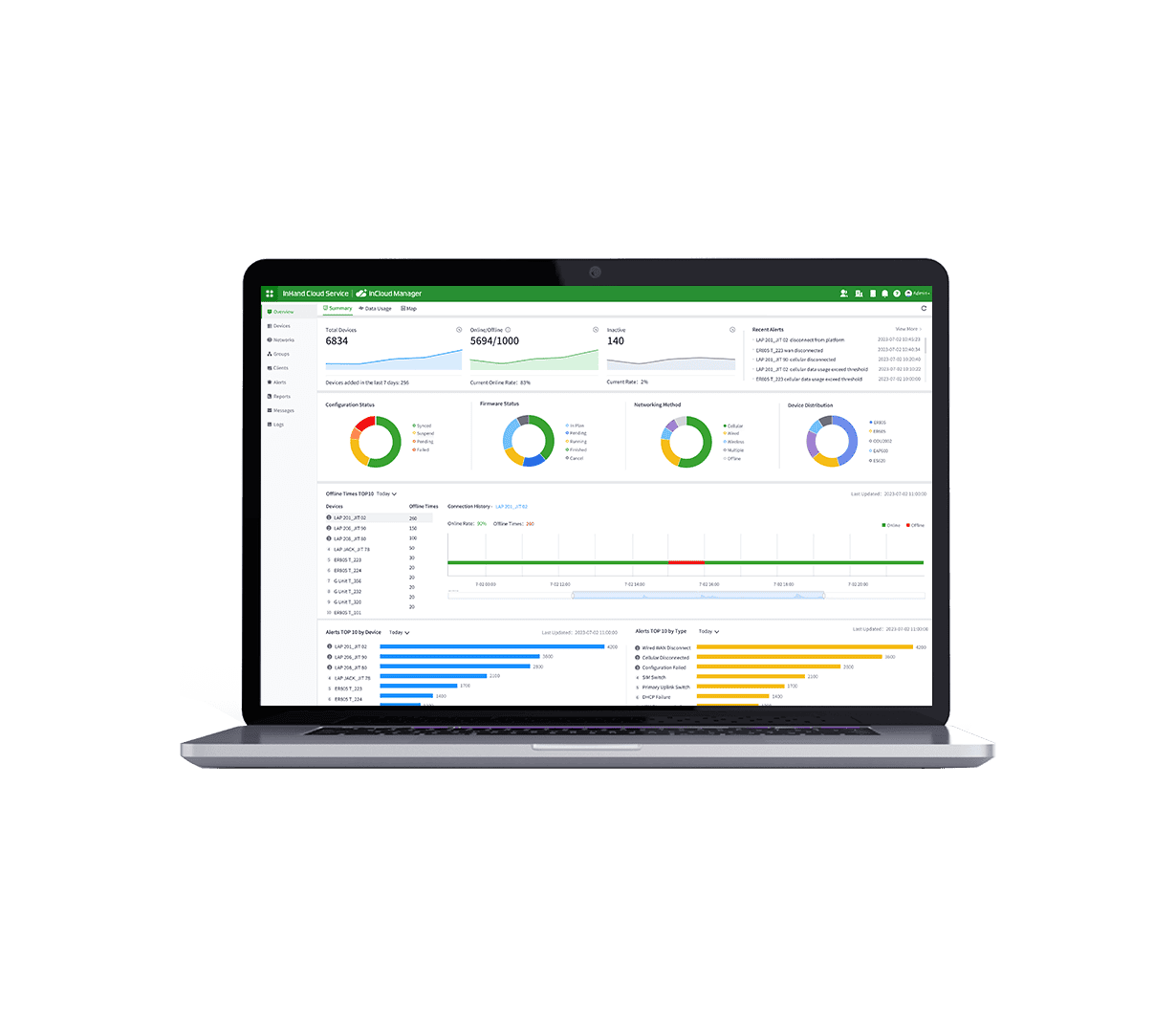
- Can IT teams see and manage every location remotely?
During a peak, centralised visibility can help teams identify connection problems, understand site status and respond without travelling to every location.
The question is not whether every site needs the same router. It is whether critical traffic still has a path when the primary one fails.
Real-time football systems and business networks operate in entirely different environments. Their shared lesson is simpler: when decisions, experiences and operations depend on live data, reliable delivery becomes part of the experience itself.
Related InHand Solutions
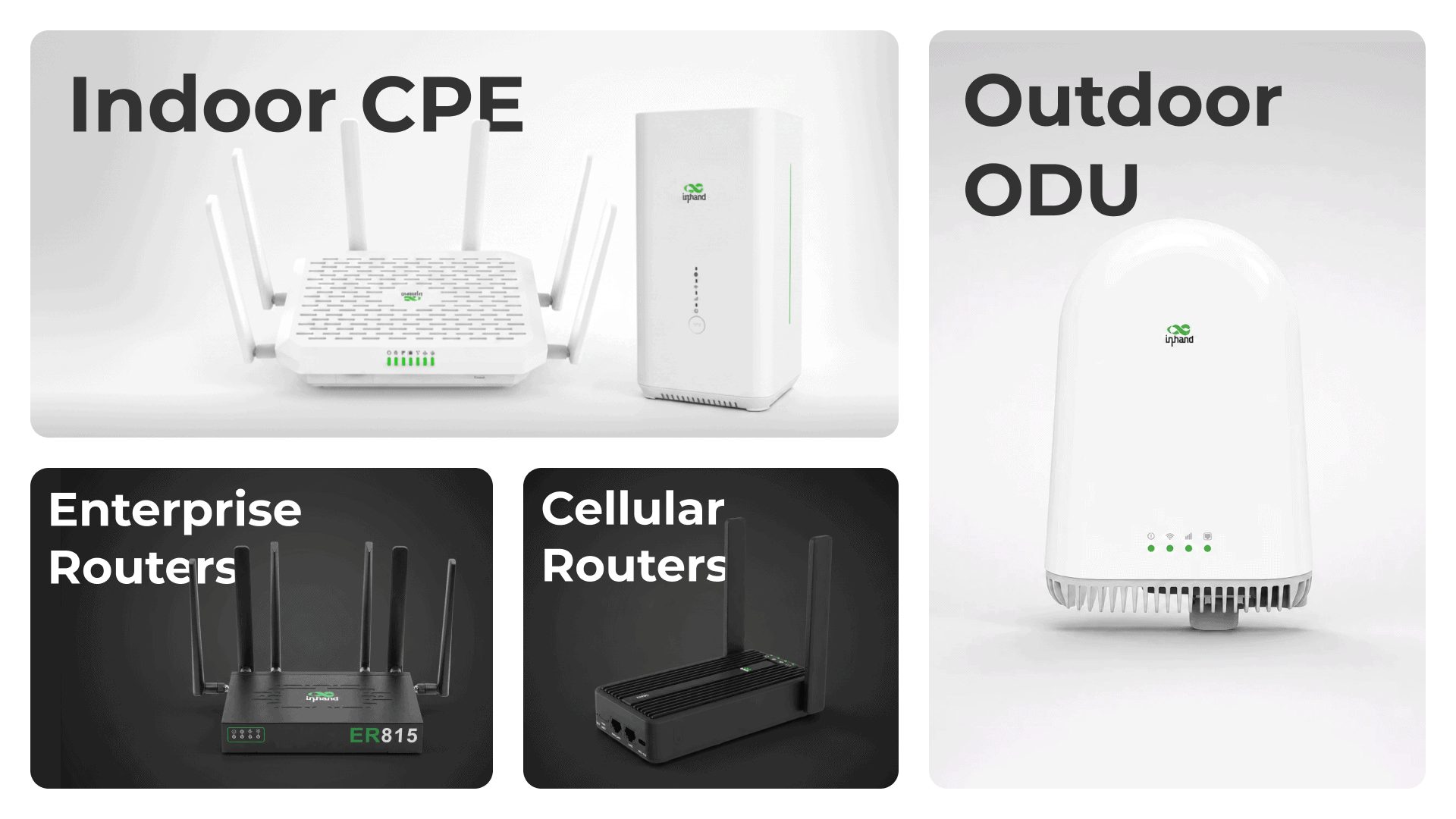
Cellular Routers: for remote, mobile and flexible deployments
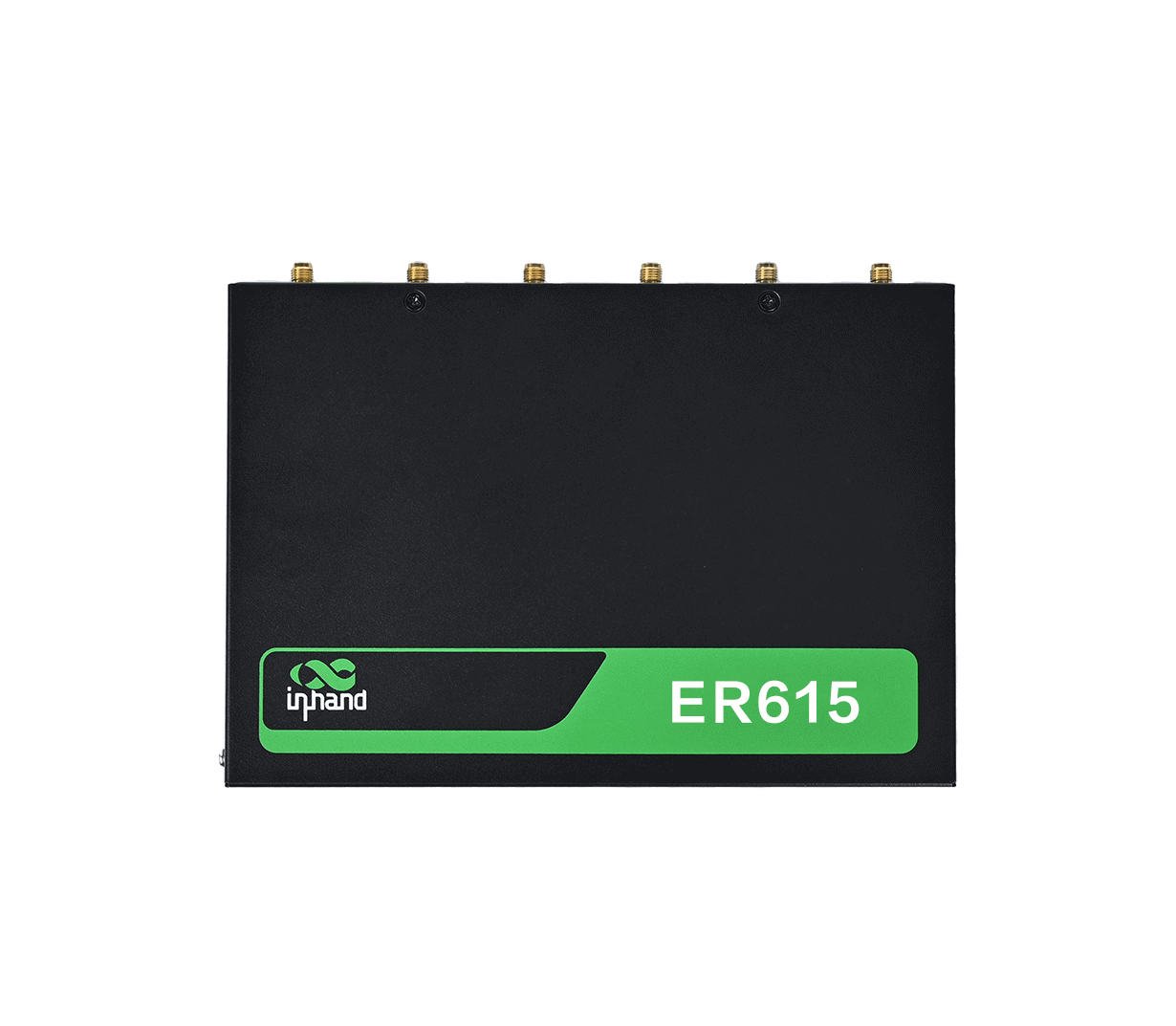
Enterprise Routers: for branches, retail stores, hospitality businesses and distributed operations
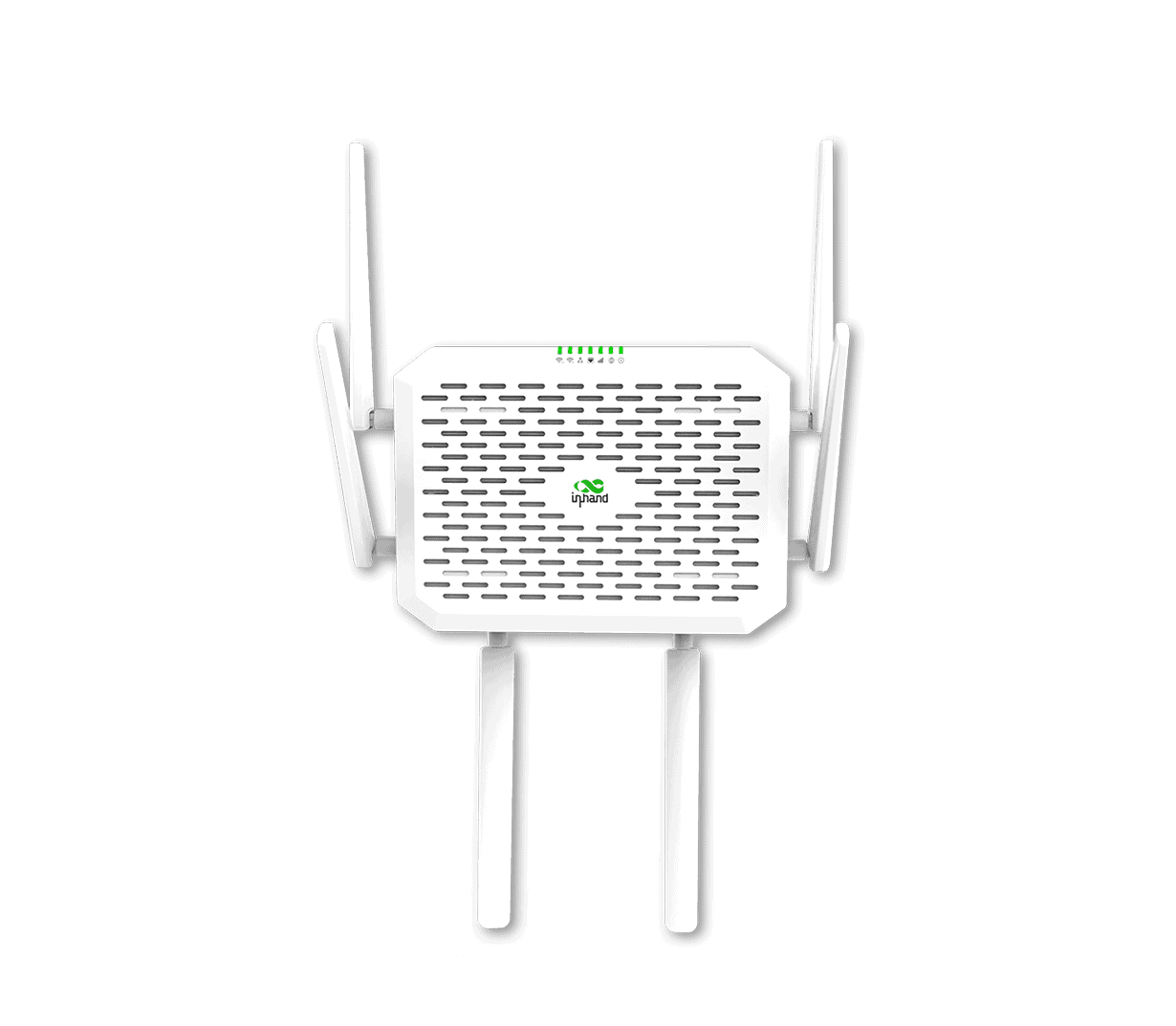
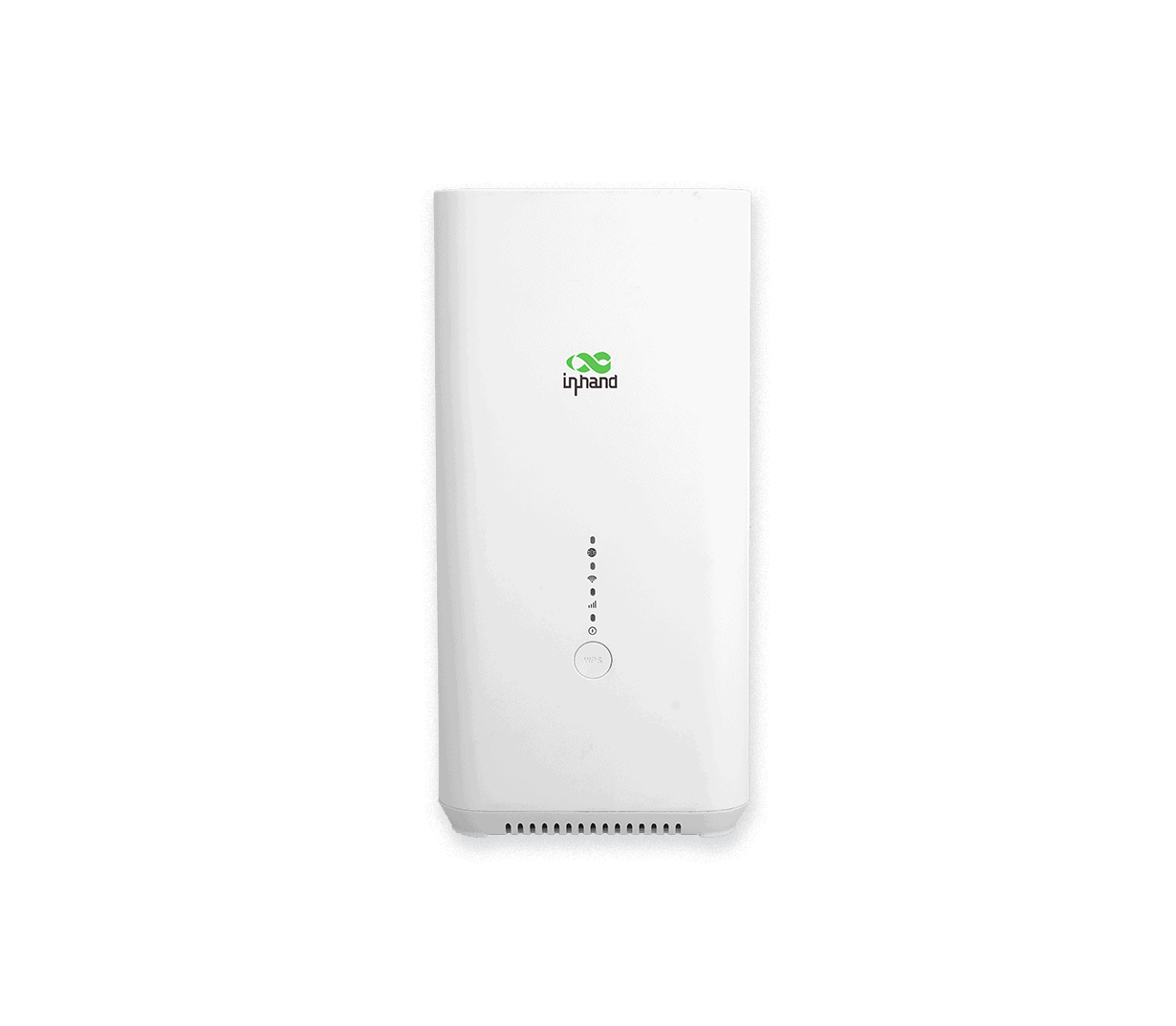
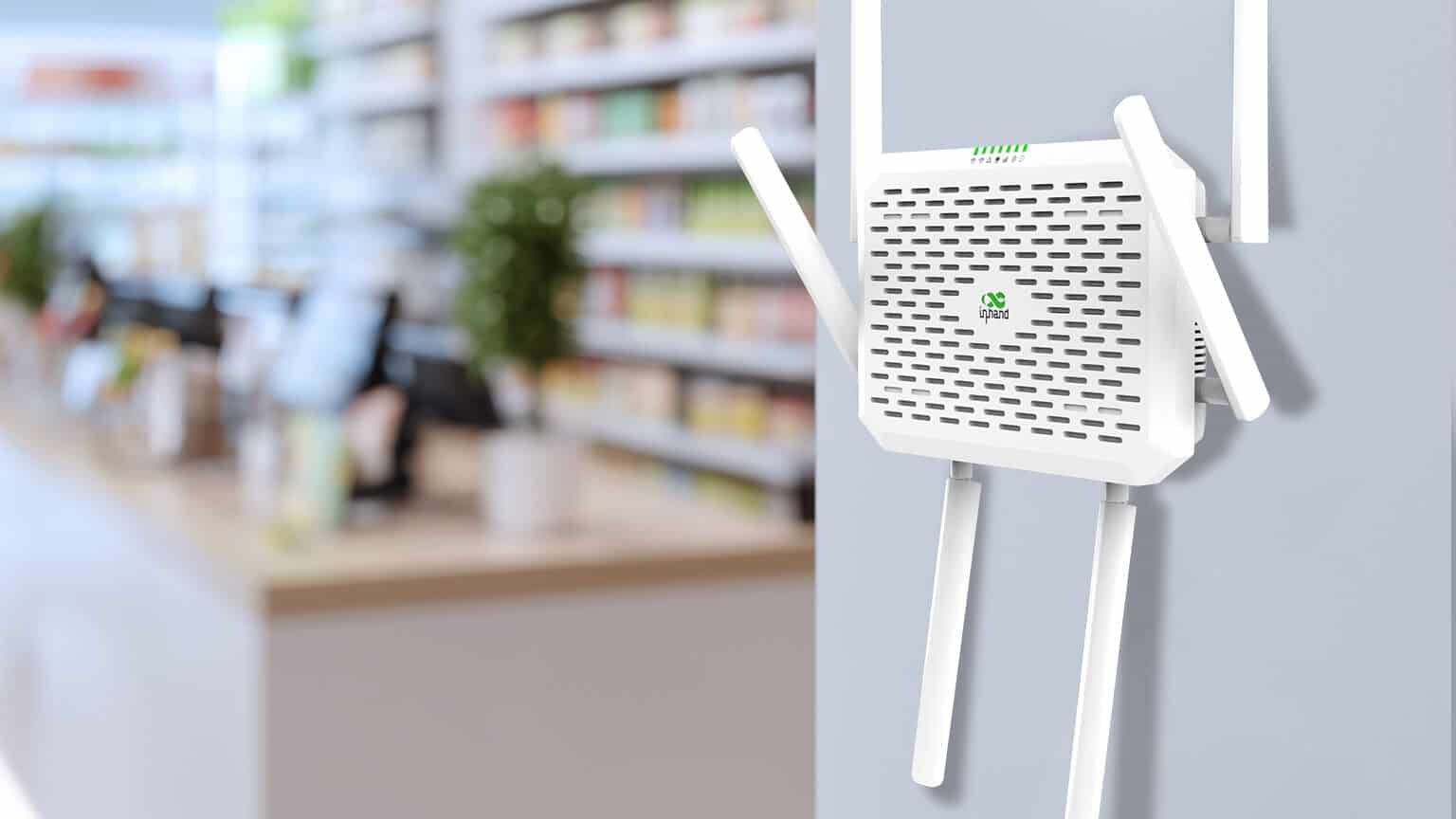
Indoor CPE: for high-speed cellular broadband in stores, offices, and other indoor environments
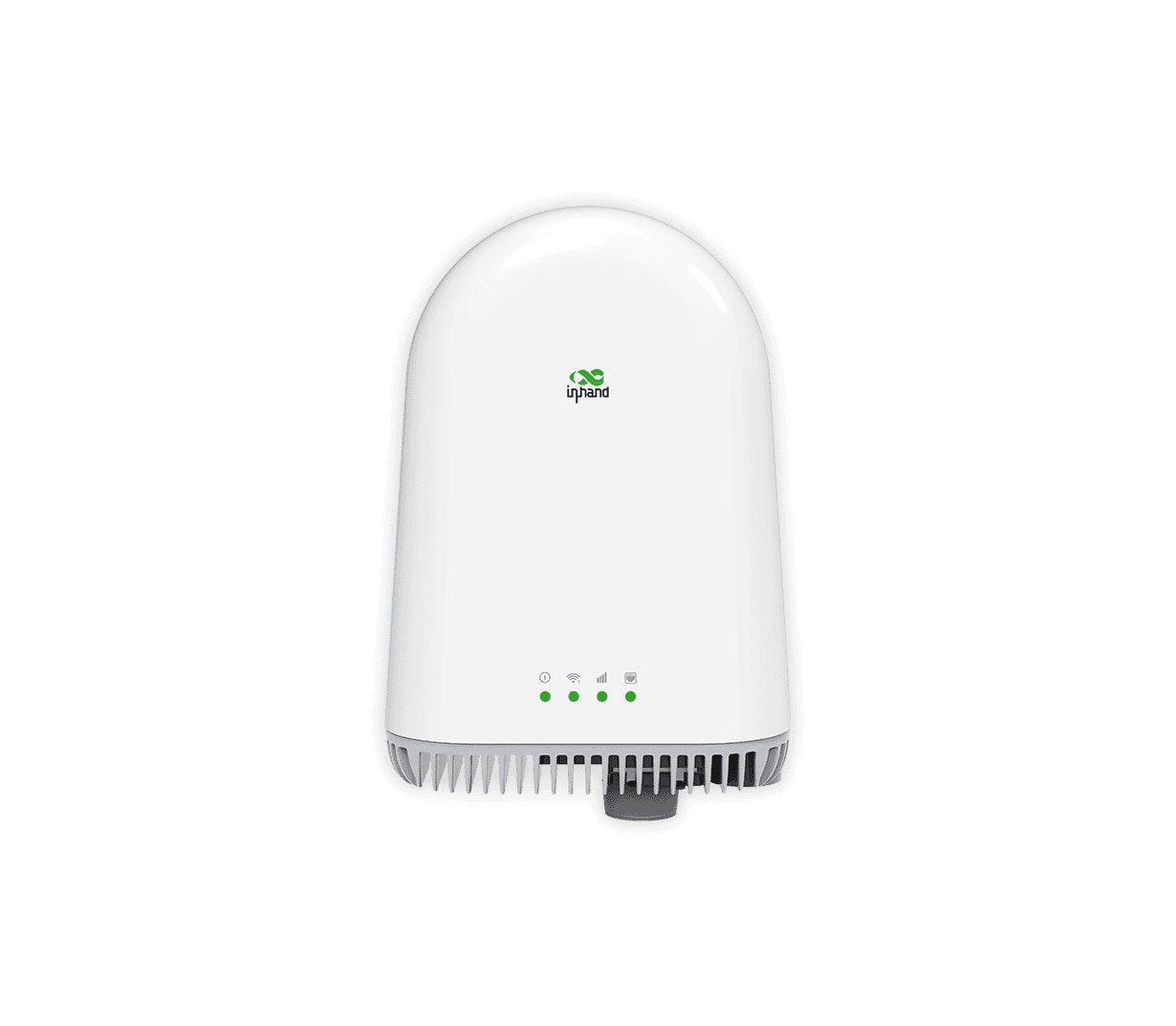
Outdoor ODU: for outdoor installations and locations with limited indoor cellular reception
Related Products
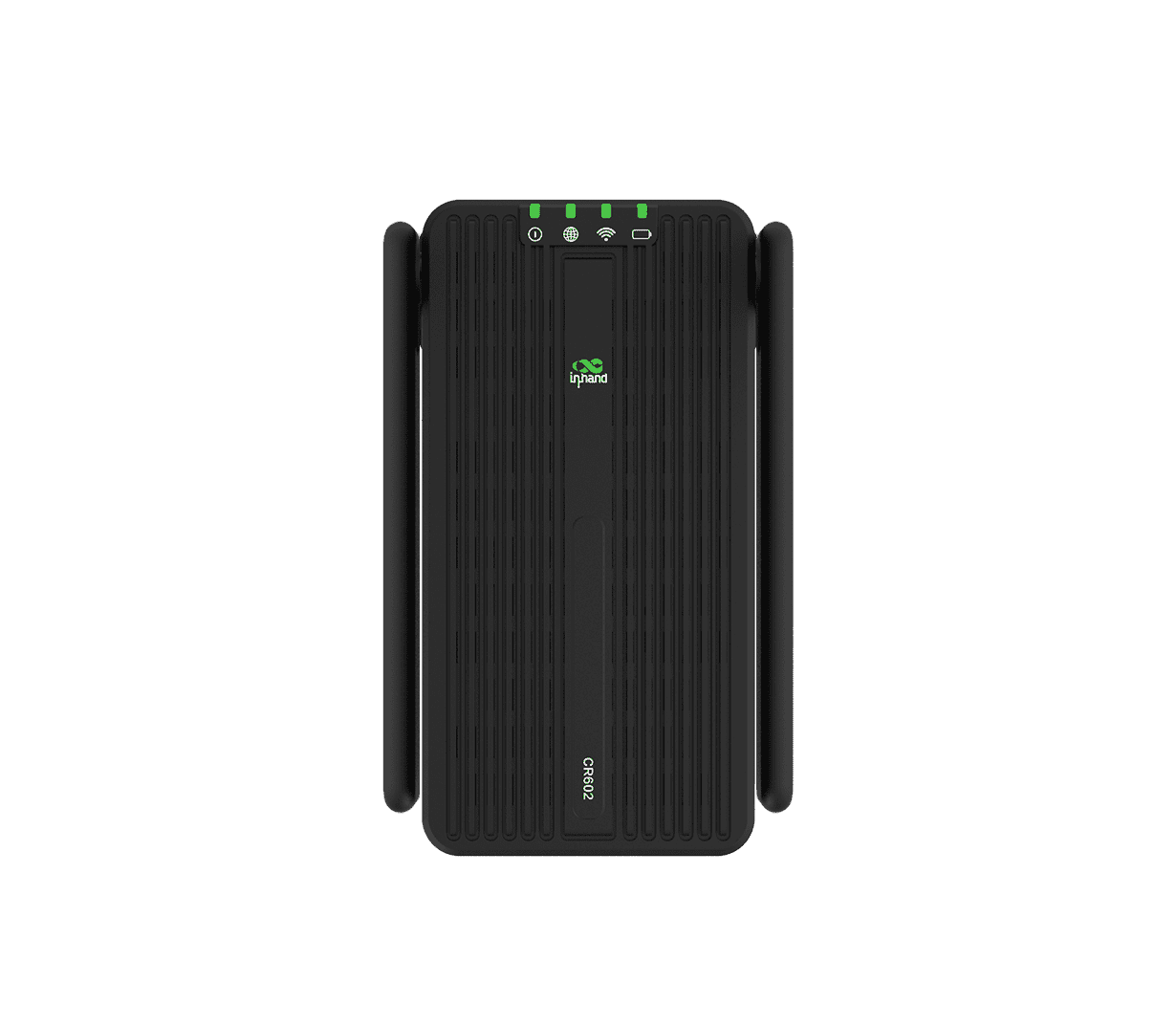
CR602
5G/Wi-Fi7/10000mAh Battery/Cloud-Managed
Cellular Router
ODU12
5G Outdoor AI-Native Router
Outdoor ODU
ER615
5G/Wi-Fi6/Gigabit Ethernet/Cloud-Managed
Enterprise Router
FWA12
5G/Wi-Fi7/Carrier Agg./Traffic Shaping
Indoor CPE
CPE02
5G/Wi-Fi 6/Failover/Cloud-Managed
Indoor CPE
InCloud Manager
AI-Powered Network Management Platform
Cloud Service