Beyond the Final Whistle: The Engineering That Powers the FIFA World Cup
Blog
A 90-minute football match is only the visible part of one of the world’s most sophisticated sporting events. Behind every pass, every goal, and every referee decision is an ecosystem of sensors, artificial intelligence, connected infrastructure, and edge computing working together in real time.
For billions of football fans around the world, the FIFA World Cup is defined by unforgettable moments—a spectacular goal, a last-minute save, or a decision that changes the course of a match.
Yet beyond what happens on the pitch lies another game entirely.
Long before the opening whistle, thousands of interconnected systems are already at work. Cameras capture every movement. Sensors generate continuous streams of data. Artificial intelligence analyzes events in milliseconds, while digital infrastructure keeps tens of thousands of spectators, broadcast operations, security systems, and logistics running without interruption.
The challenges behind a World Cup are surprisingly similar to those faced by modern industries every day.
Manufacturing plants need real-time visibility into production. Energy operators rely on instant monitoring of critical infrastructure. Transportation networks coordinate thousands of moving assets simultaneously. Logistics providers must make decisions based on constantly changing conditions.
The World Cup simply puts these technologies on one of the world’s biggest stages.
Industry is where they create value every day.
The Smart Ball: How Data Makes Better Decisions Possible
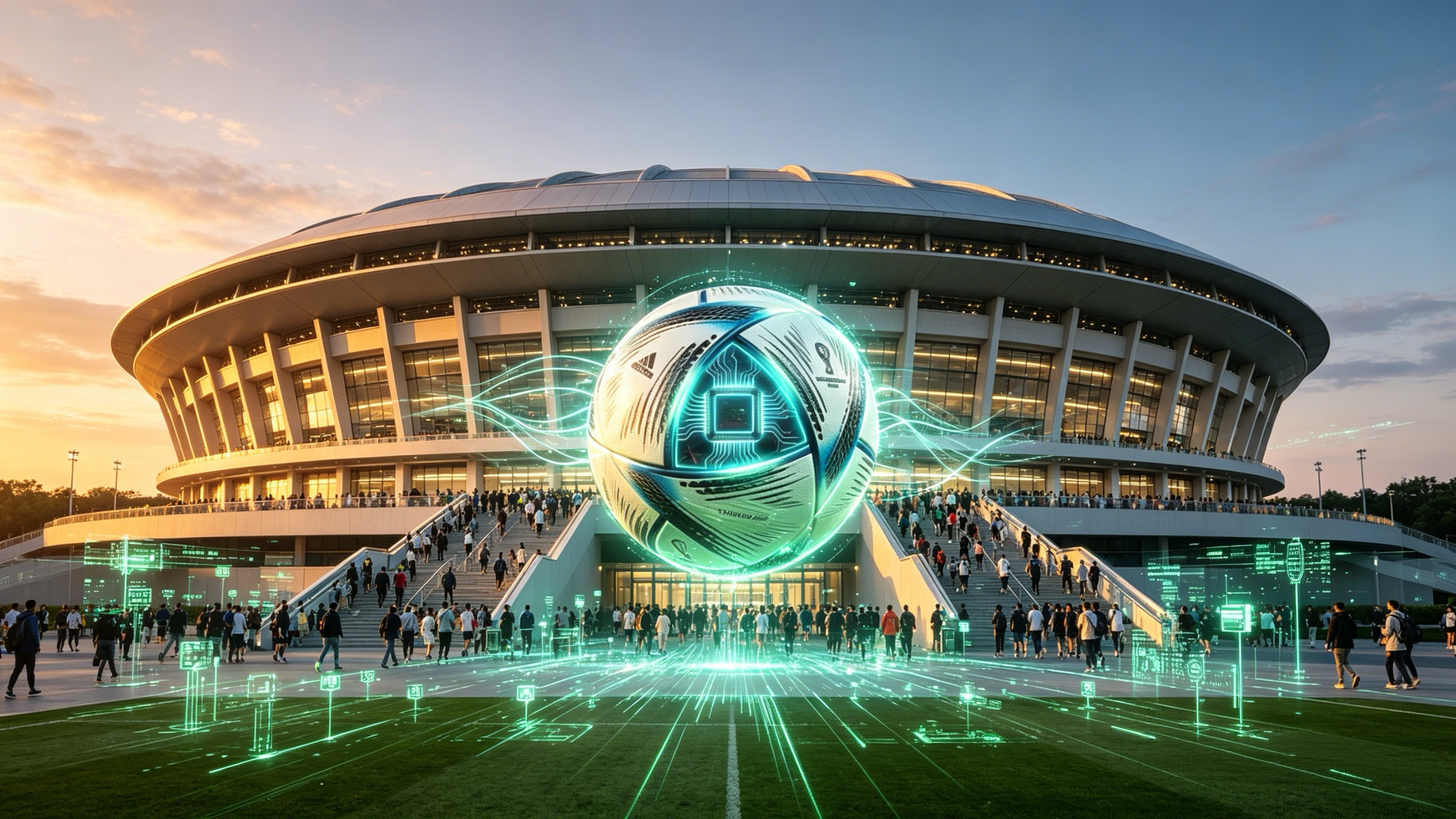
It all starts with the ball. A pitch. Two teams. One football. Simple on the surface. Yet in today’s FIFA World Cup, the ball itself has become a connected device.
In high-speed play, the exact moment when a player touches the ball can determine whether a pass is onside or offside, or whether a goal ultimately stands. That moment lasts only a few milliseconds—far too quickly for the human eye to judge with complete accuracy.
To help officials make more precise decisions, the official match ball incorporates an Inertial Measurement Unit (IMU) sensor. The sensor continuously records the ball’s motion and transmits data at an extremely high frequency. When the ball is struck, the system can determine the precise instant of contact and combine that information with player-position data to support Semi-Automated Offside Technology (SAOT).
Many people wonder why the ball needs a sensor when dozens of cameras are already covering the pitch. The answer lies in timing.
Cameras can accurately determine where the ball is, but identifying the exact millisecond when it leaves a player’s foot is far more difficult. That instant serves as the reference point for every offside decision. By adding another source of data, officials gain a much more reliable picture of what actually happened.
The technology isn’t there to replace referees or diminish the human side of football. Its purpose is far simpler: to provide better information when the margins are measured in milliseconds. The same engineering principle is becoming increasingly common across many industries.
Rather than simply executing commands, modern devices are expected to sense their environment, monitor their own operating conditions, and continuously generate data that helps larger systems make better decisions.
AI as an Assistant: How Semi-Automated Offside Technology Works
If goals are football’s most exciting moments, offside decisions are often its most suspenseful. For decades, referees relied almost entirely on experience, positioning, and split-second judgment. As the game became faster, however, accurately tracking the ball, the attacking player, and the last defender at exactly the same moment became nearly impossible.
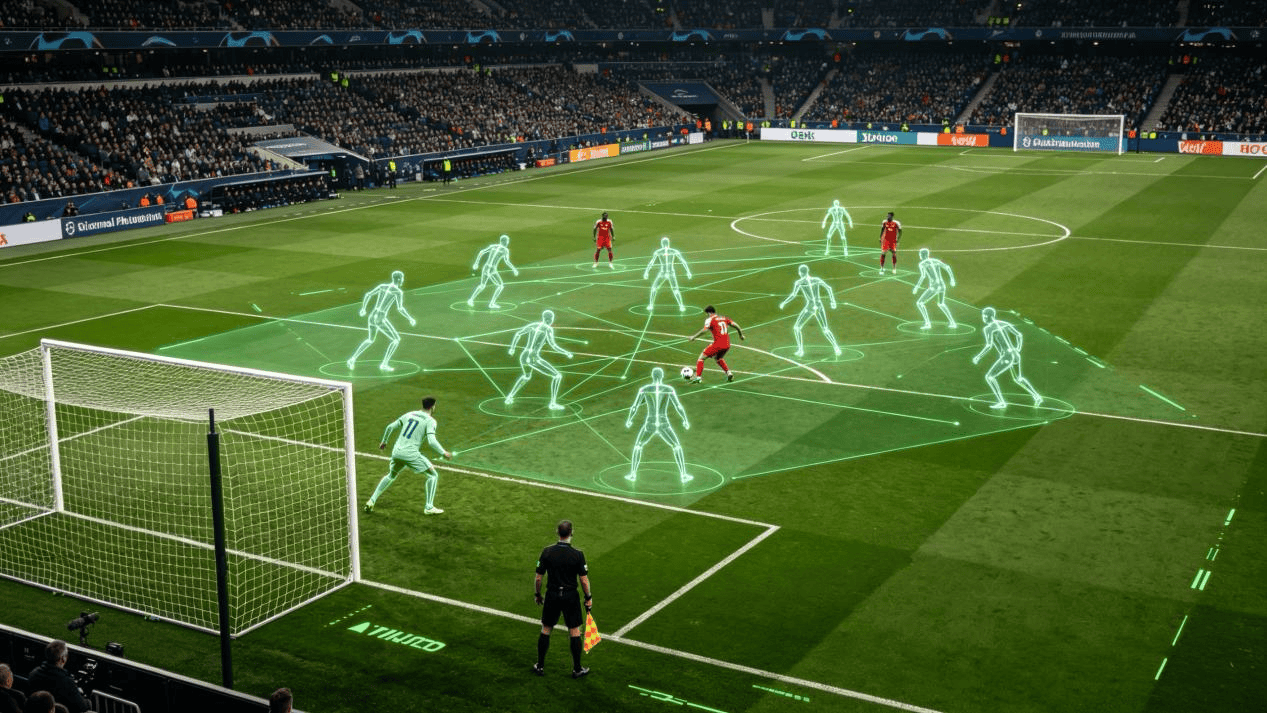
This is where artificial intelligence and computer vision become valuable assistants. High above the stadium, multiple high-speed tracking cameras continuously monitor every player on the pitch. The system identifies dozens of body points—including shoulders, knees, hips, and ankles—to build a precise three-dimensional understanding of player positions throughout the match.
At the same time, the smart match ball provides the exact moment of contact. By combining these two independent sources of information, the system rapidly calculates whether an offside offense has occurred and presents the analysis to the match officials.
The final decision, however, still belongs to the referee. That may be the most important aspect of Semi-Automated Offside Technology.
The objective isn’t to replace human judgment. It’s to ensure that human judgment is supported by the most accurate information available. This reflects a broader direction in today’s AI development.
Rather than removing people from the decision-making process, artificial intelligence increasingly serves as a tool for handling complex analysis, allowing experts to make faster and more informed decisions based on richer, more reliable data.
The Invisible Match: Logistics That Keep the World Cup Moving
For fans, a World Cup match lasts just 90 minutes. For organizers, it begins months in advance.
Every participating team requires training equipment, medical supplies, uniforms, nutrition, and match-day gear to arrive at the right venue, at exactly the right time. Broadcast equipment must be transported and installed before spectators even enter the stadium. Food, beverages, and merchandise need to be continuously replenished for tens of thousands of visitors throughout the event.
Behind every match is one of the largest temporary supply chains in the world. Most spectators never notice it—and that’s precisely the point.
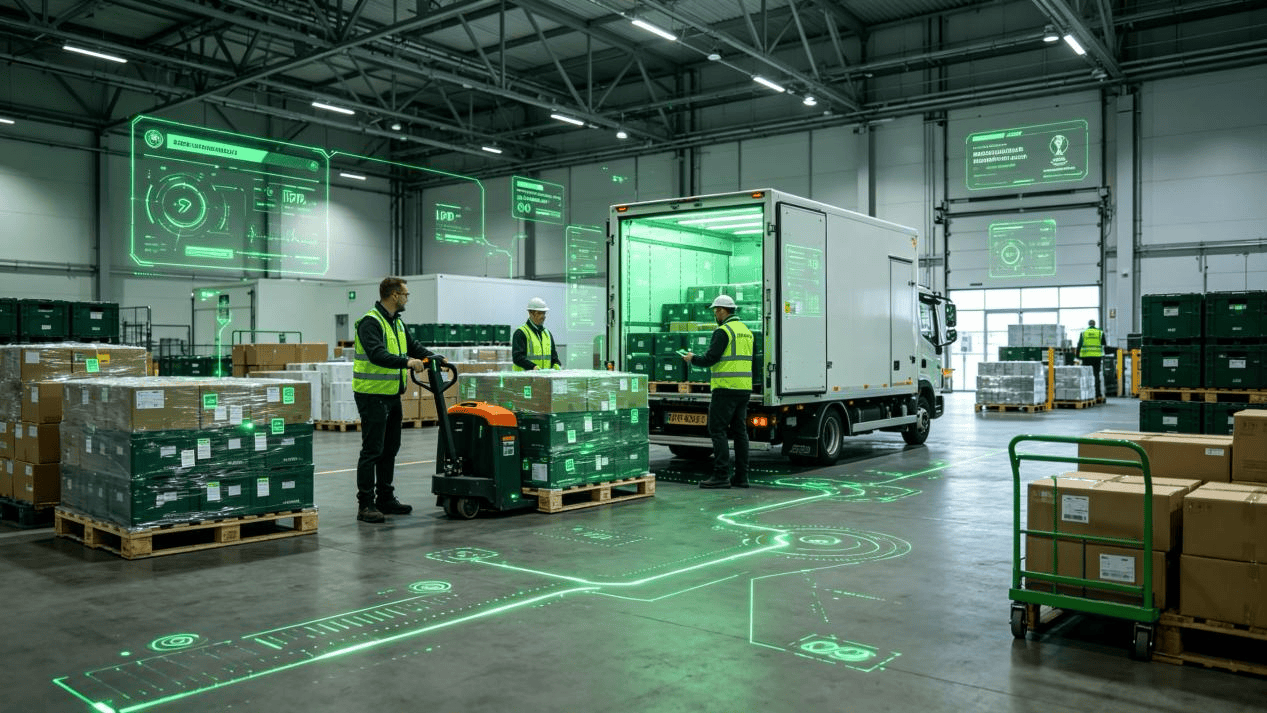
A successful logistics operation is designed to remain invisible. Among the many moving parts, cold chain logistics is one of the most critical. Meals prepared for players, temperature-sensitive medical supplies, and certain catering products all require carefully controlled transportation conditions.
Knowing where a truck is located is only part of the picture. Operators also need to know whether the cargo remains within its required temperature range, whether a vehicle is following its planned route, and whether any onboard equipment is operating normally. If a refrigeration unit fails or a shipment is delayed, the system needs to identify the problem immediately—not after the cargo has already reached its destination.
At the same time, thousands of other assets move continuously between warehouses, distribution centers, and stadiums.
RFID tags, barcode scanning, warehouse management systems, and transportation platforms work together to maintain complete visibility throughout the process. Every shipment can be tracked, every handoff recorded, and every delivery verified in real time.
These technologies rarely attract attention, yet they make an enormous difference. When logistics works as intended, nobody notices. When it doesn’t, everyone does.
The World Cup is a reminder that large-scale events are supported not only by world-class athletes, but also by highly coordinated digital operations working quietly behind the scenes.
A World Cup Stadium Is Really an IoT Ecosystem
Long before kickoff, the stadium is already awake. In the early morning, lighting systems perform automated health checks. Irrigation systems complete their final maintenance cycle. Security cameras come online. Digital displays load match information. Public address systems run audio tests, while access control systems prepare for staff and vendors arriving throughout the day.
By the time spectators begin entering the venue, thousands of connected devices are already communicating with one another. Ticketing systems validate digital passes within seconds.
Security platforms monitor crowd movement across multiple entrances. Environmental control systems adjust ventilation and air conditioning based on occupancy levels in different areas of the stadium.
Meanwhile, power management systems continuously monitor electrical infrastructure to ensure uninterrupted operation of lighting, broadcasting equipment, communications networks, and critical facilities.
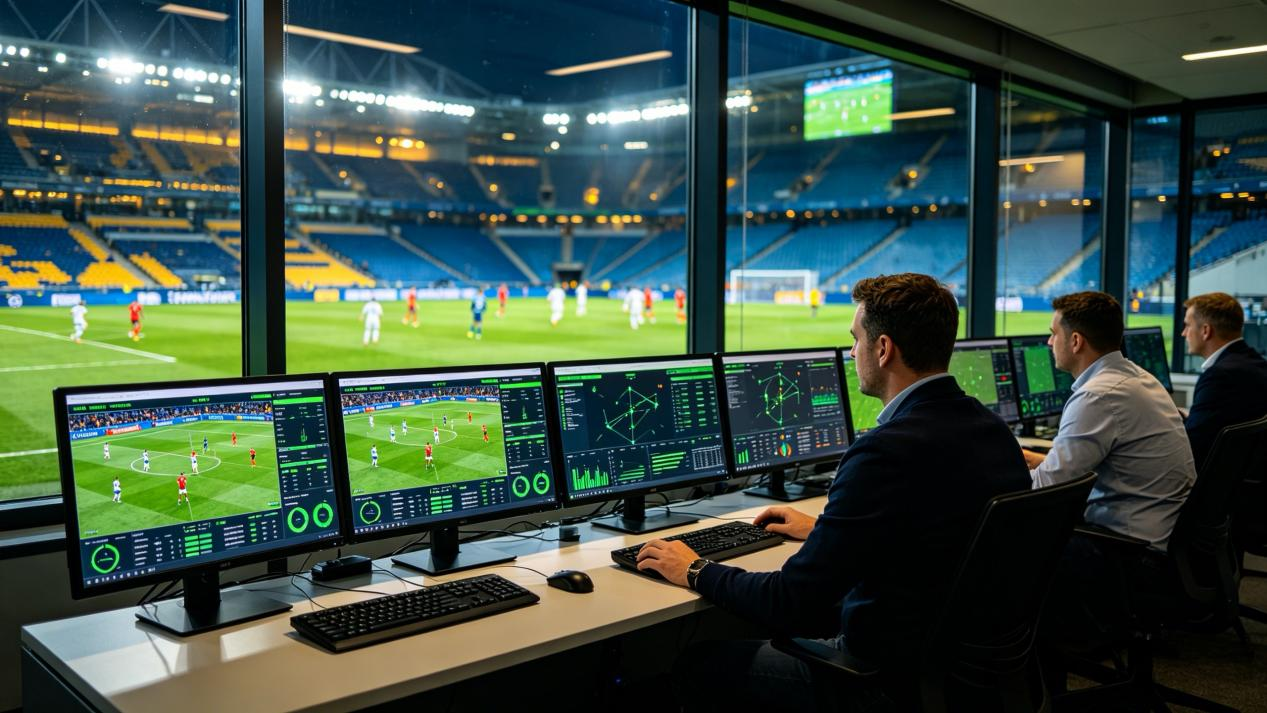
Once the match begins, the workload only increases. High-speed cameras capture every moment on the pitch. Giant screens display live statistics and instant replays. Broadcast systems deliver the match to audiences around the world. Security teams monitor activity across the venue, while operations staff oversee hundreds of systems from centralized control rooms.
To spectators, these systems appear independent. In reality, they function as parts of a much larger digital ecosystem. A modern World Cup stadium resembles a small smart city more than a traditional sports venue.
Devices from different manufacturers, supporting different applications, must exchange information continuously and operate as one coordinated system.
The complexity isn’t defined by the number of connected devices. It’s defined by how effectively those devices work together. That same engineering challenge exists far beyond the stadium.
Factories integrate production equipment from multiple vendors. Utility operators connect substations distributed across vast geographic regions. Transportation authorities coordinate cameras, sensors, traffic signals, and communications infrastructure across entire cities.
Different industries. Different applications. The underlying challenge remains remarkably similar: building systems where thousands of connected devices operate reliably as a single, intelligent network.
Why the World Cup Depends on Edge Computing
Some of the most tense moments in football happen when everyone is waiting for a VAR decision. For spectators, it’s simply a brief pause in the match.
Behind the scenes, however, an enormous amount of computation is happening within just a few seconds. Dozens of high-speed cameras continuously stream video from around the stadium. The system must identify player positions, reconstruct body movements, analyze the trajectory of the ball, and determine whether an offside offense has occurred—all before presenting the information to the match officials.
Every second matters. If every video stream had to travel to a remote cloud data center for processing before the results were sent back to the stadium, network latency alone could delay critical decisions. Even small delays can interrupt the rhythm of the game and reduce the effectiveness of technology that is designed to support referees in real time.
This is why many of the World Cup’s most demanding workloads are processed much closer to where the data is generated. Instead of sending everything to the cloud, critical tasks such as video analytics, object recognition, and event detection are performed locally. Only the necessary results—or selected data—are synchronized with centralized systems.
This is the core idea behind edge computing. It’s not about replacing the cloud. It’s about recognizing that some decisions simply cannot wait.
Processing data at the edge reduces latency, lowers bandwidth requirements, and enables systems to respond almost instantly. For the World Cup, that means referees receive faster technical assistance, broadcasters can deliver smoother live coverage, and fans enjoy a more seamless match-day experience.
More importantly, this principle extends far beyond football. Manufacturing equipment cannot wait seconds to detect a production fault. Electrical grids cannot afford delays when responding to abnormal conditions. Autonomous vehicles, industrial robots, and critical infrastructure all rely on immediate, local decision-making.
As real-time applications continue to grow, the traditional approach of “send everything to the cloud first” is no longer sufficient for every scenario.
Increasingly, the smarter approach is to process data where it is created, make decisions where they matter most, and use the cloud for coordination, long-term storage, and large-scale analytics.
The World Cup offers one of the most visible examples of this architectural shift—but it is happening across industries every day.
Long After the Final Whistle
When the tournament ends, the technology doesn’t. The smart match ball. Computer vision. Artificial intelligence. Connected infrastructure. Smart logistics. Edge computing.
Together, these technologies make it possible for one of the world’s most complex sporting events to operate with remarkable precision, reliability, and efficiency.
They don’t change what makes football beautiful. The excitement of the game still comes from the players, the supporters, and the unforgettable moments that unfold on the pitch.
What technology does is make those moments fairer, safer, and more dependable. It provides officials with better information, helps organizers manage extraordinary operational complexity, and allows billions of people around the world to experience the tournament with confidence.
Perhaps that’s what makes engineering so fascinating. The best engineering rarely demands attention. It doesn’t compete with the event itself or seek the spotlight. Instead, it quietly supports every memorable moment, making complexity feel effortless.
And once the World Cup is over, those same technologies continue working elsewhere—in factories, transportation networks, power grids, logistics operations, and countless other environments where reliable, real-time systems matter every day.
The stage may be different.The engineering remains the same.
Related Products
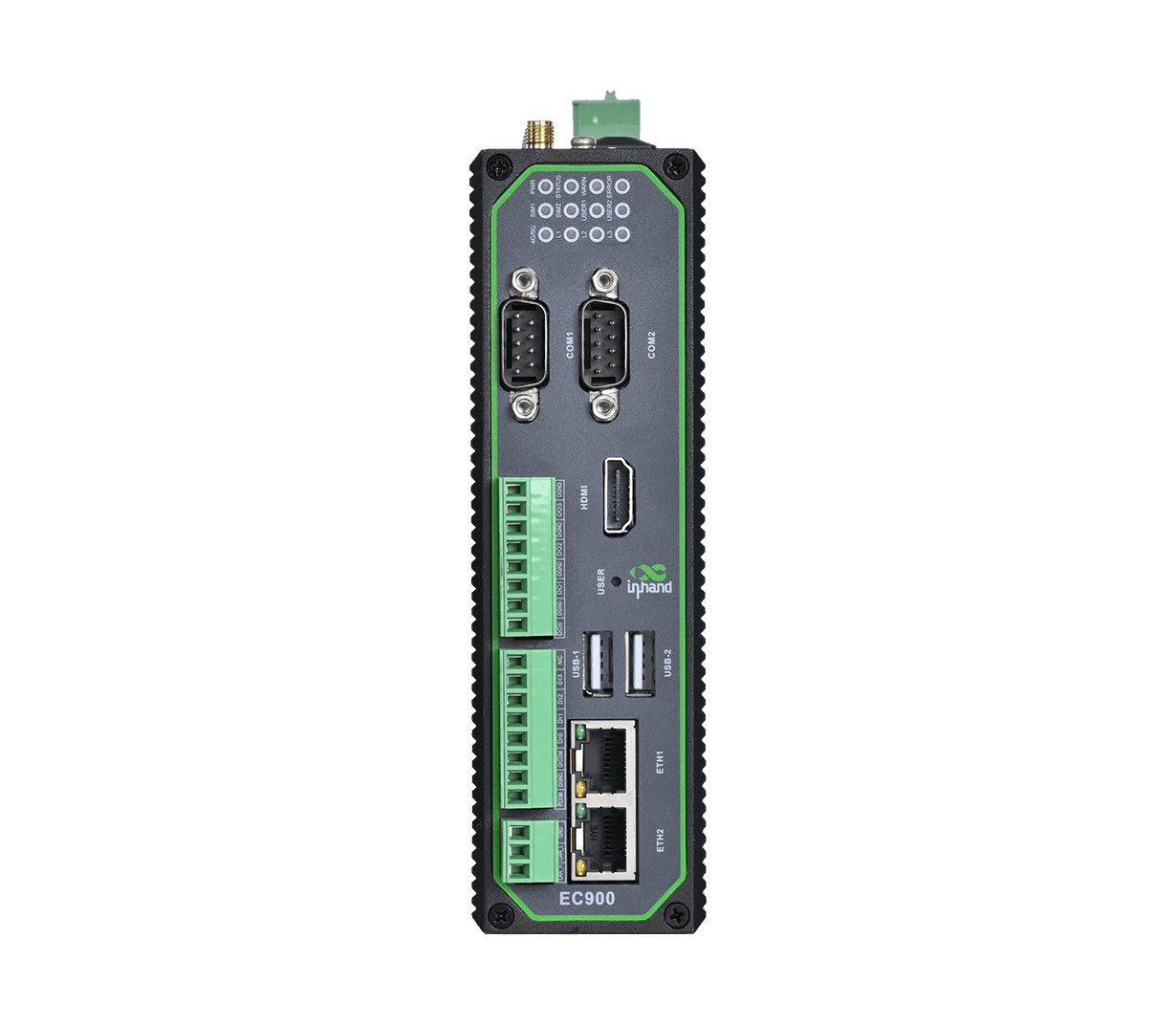
EC942
RK3568/1.0 TOPS/4 GB RAM/16GB eMMC
AI Edge Computer
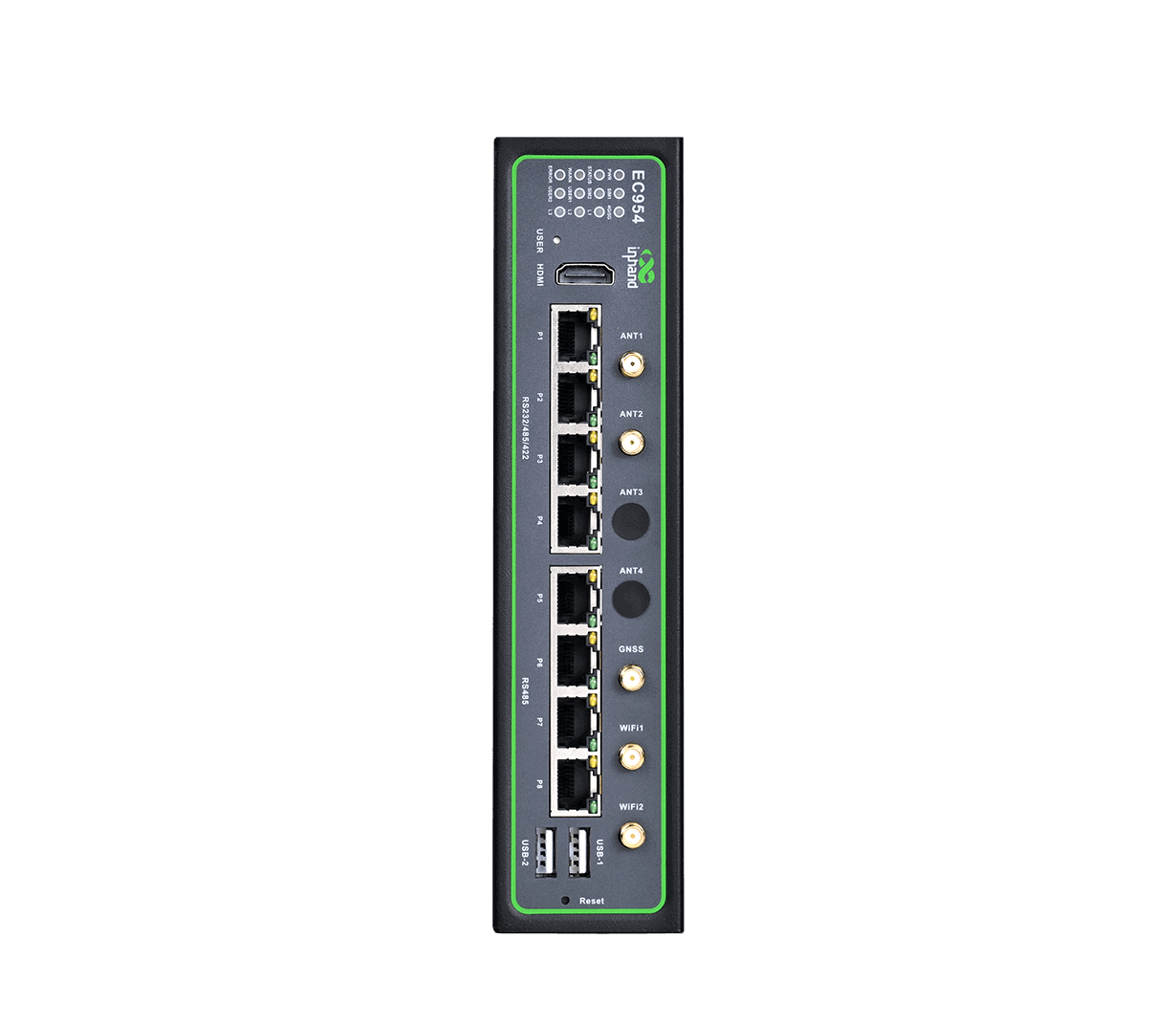
EC954
RK3568/1.0 TOPS, up to 26TOPS/4GB RAM
AI Edge Computer
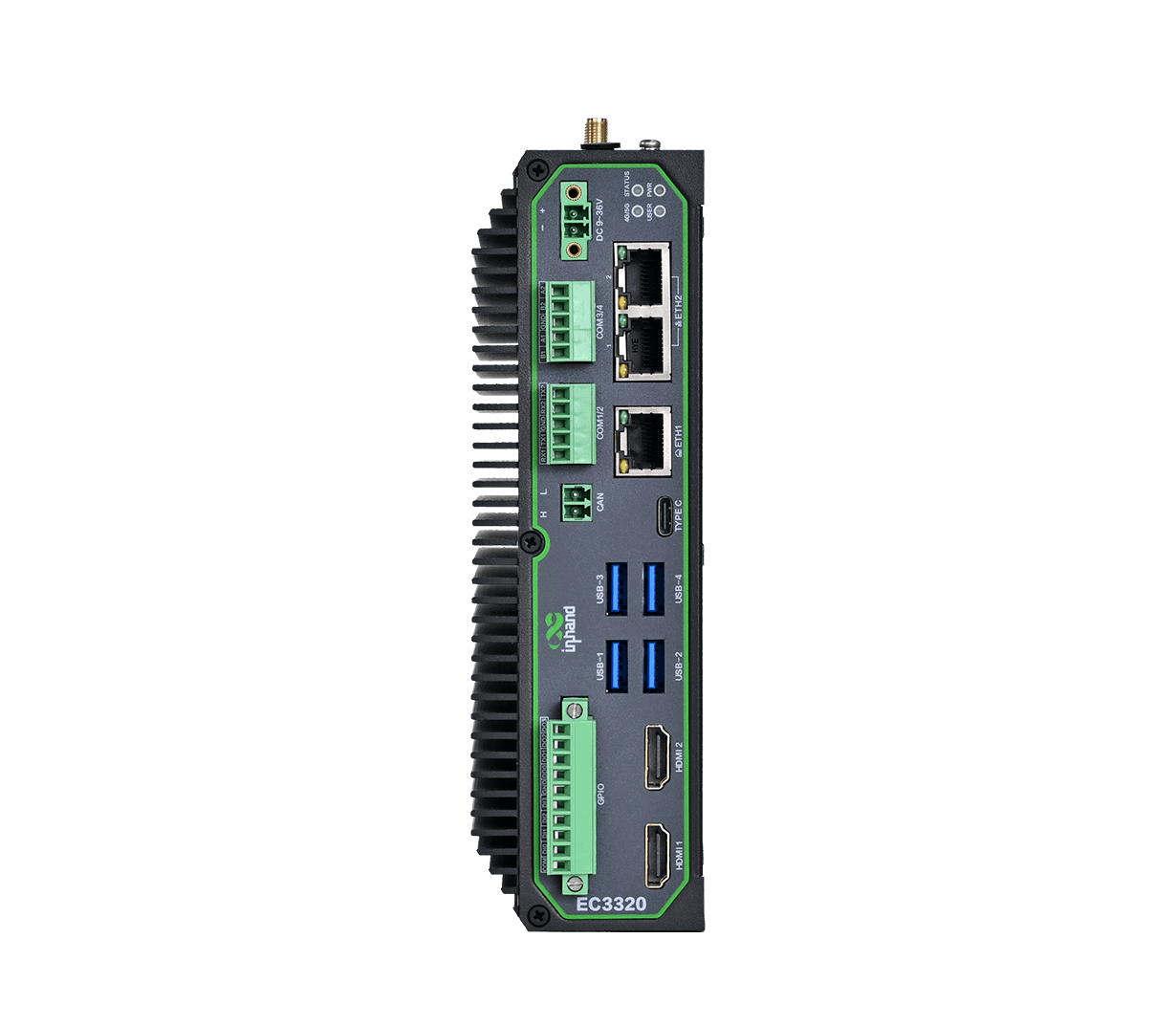
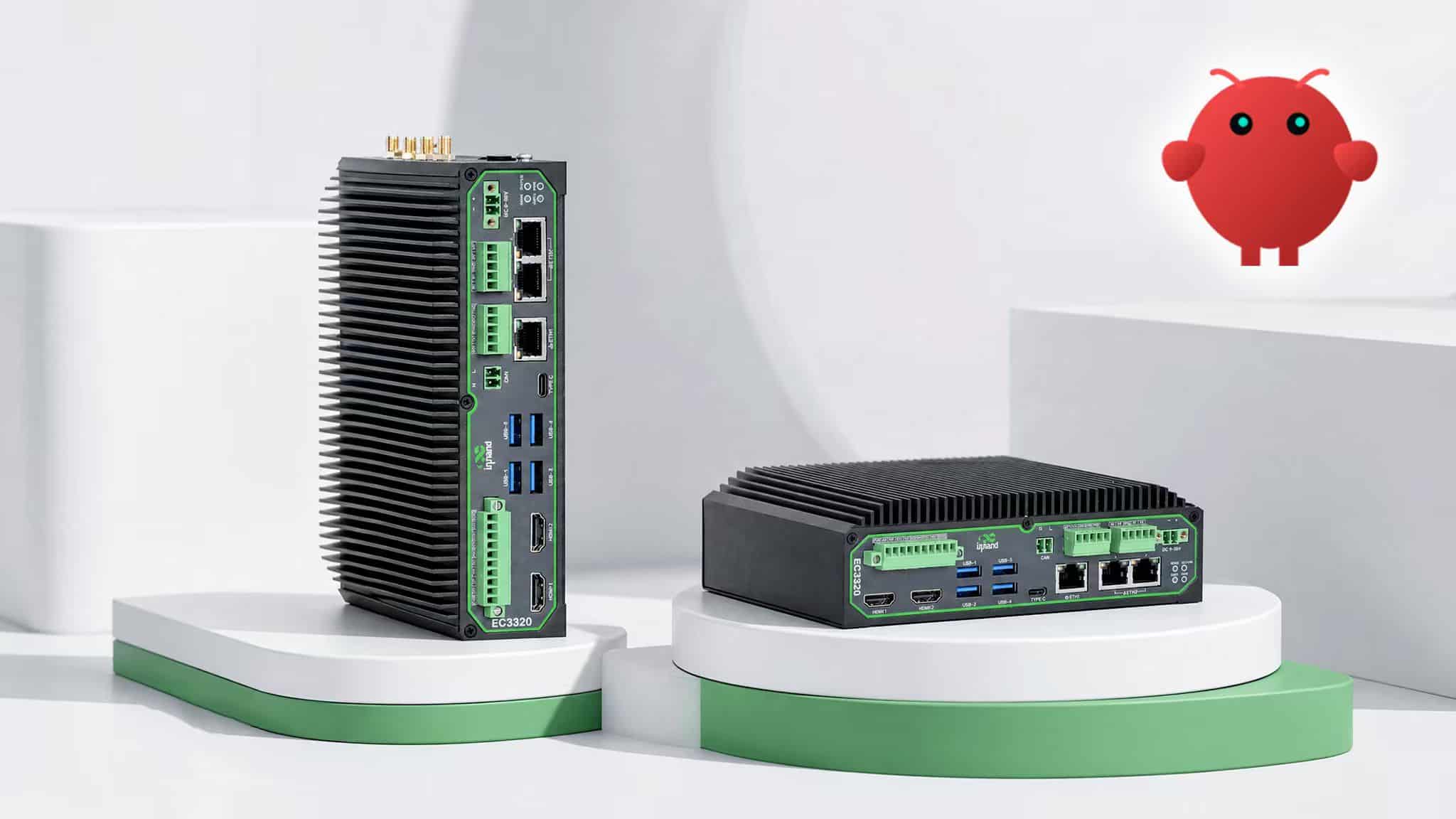
EC3320
RK3588/6.0 TOPS, up to 26TOPS/8GB RAM/
AI Edge Computer
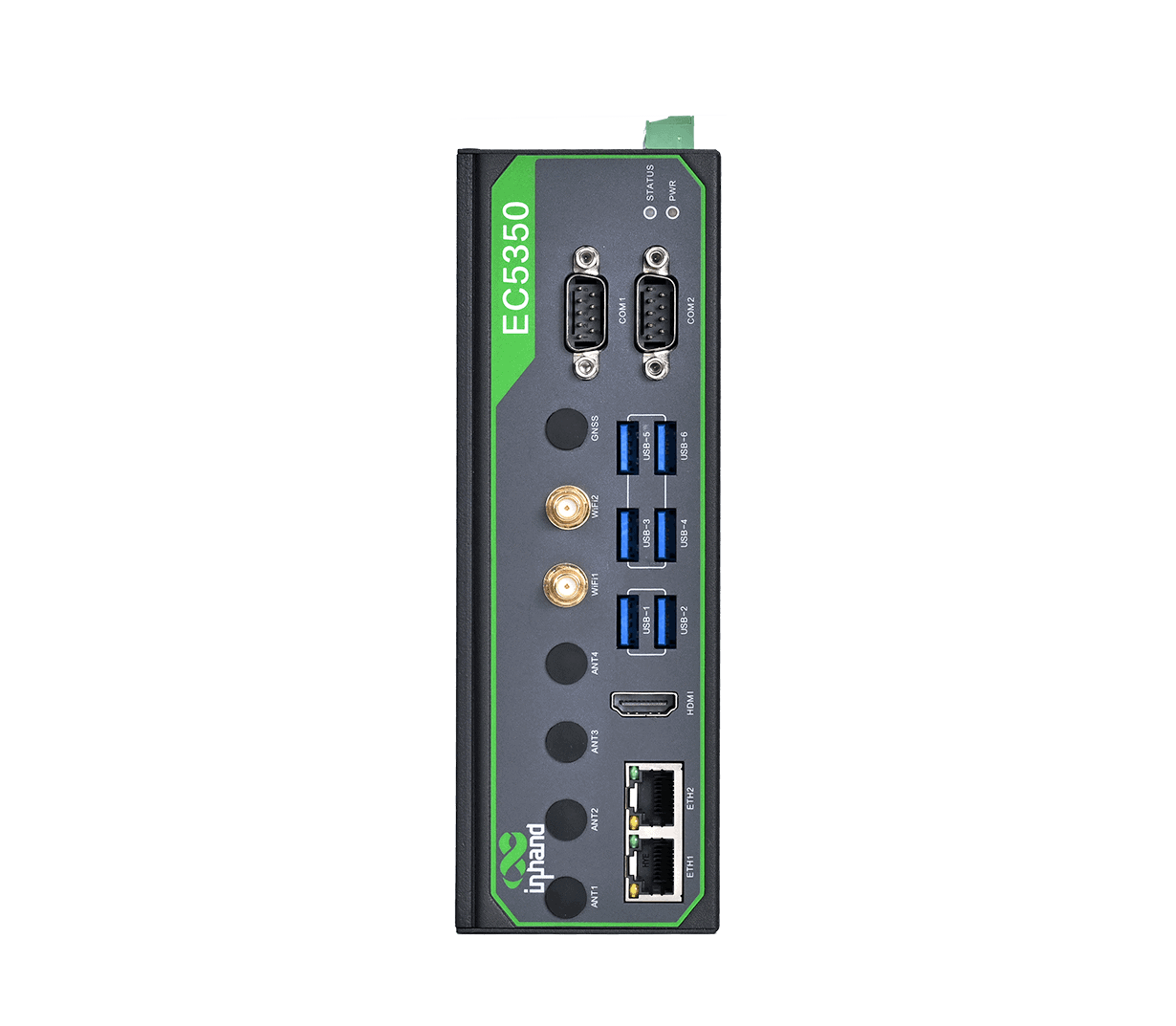
EC5350
NVIDIA Jetson Orin Nano/40 TOPS/8GB RAM
AI Edge Computer
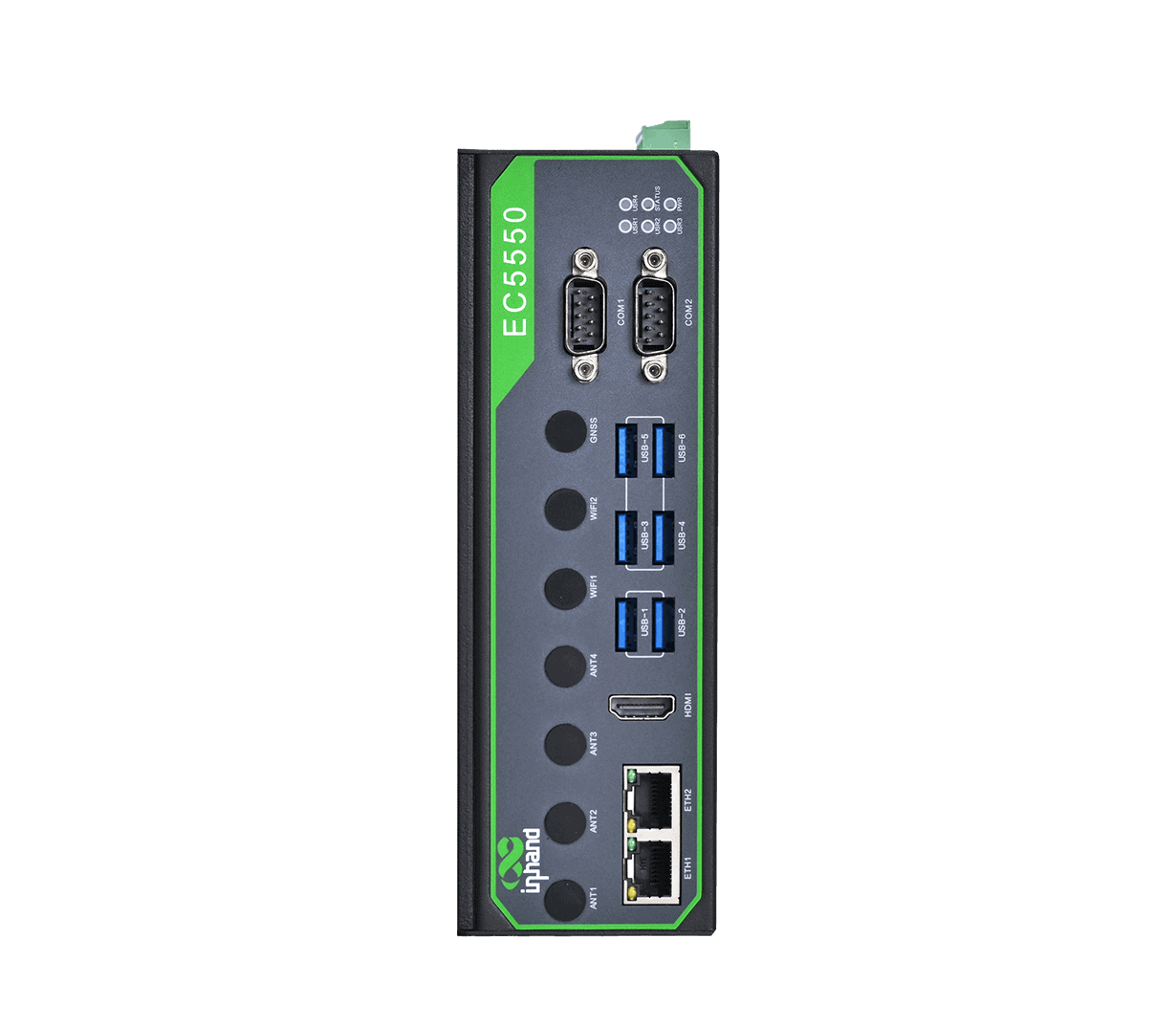
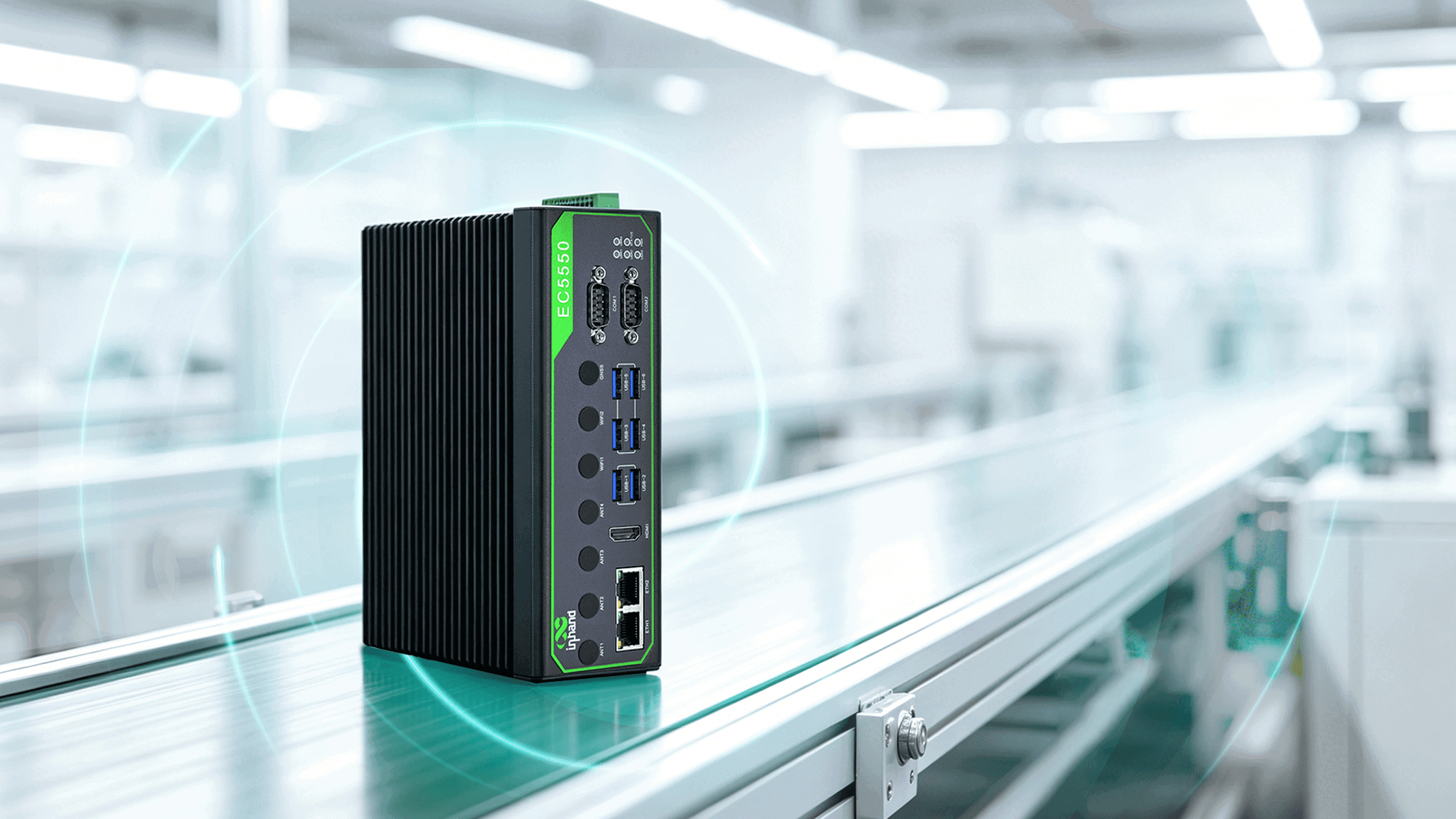
EC5550
NVIDIA Jetson Orin NX/ 100 TOPS/16GB RAM
AI Edge Computer