Turning Roadside Video into Actionable Traffic Data
Applications and Cases
Key Takeaways
Turn roadside video into actionable traffic data with on-device AI. InHand Mo-series AI single-board computers process vehicle detection, classification, and counting close to the camera, providing a flexible foundation for traffic-monitoring and analytics applications.
Background
Traffic conditions change throughout the day as vehicle volumes, road use, construction activity, and local events vary. Manual surveys and periodic samples cannot provide continuous visibility into these changes. On-device video analytics can detect and classify vehicles at roadside locations and generate structured data without sending every video stream to a central server. Traffic system developers can use these results to build dashboards, historical reports, congestion indicators, and other applications tailored to local operating requirements.
Customer Requirements
Data Between Manual Surveys
Traffic teams need more consistent information about vehicle flow than periodic surveys or short observation windows can provide.
Usable Inputs for Traffic Apps
Raw roadside video must be converted into structured vehicle data that customer software can organize by location and time for analysis and reporting.
Operation at Distributed Sites
The system must operate across dispersed roadside locations where bandwidth, enclosure space, interfaces, and rollout schedules may vary.
Solution
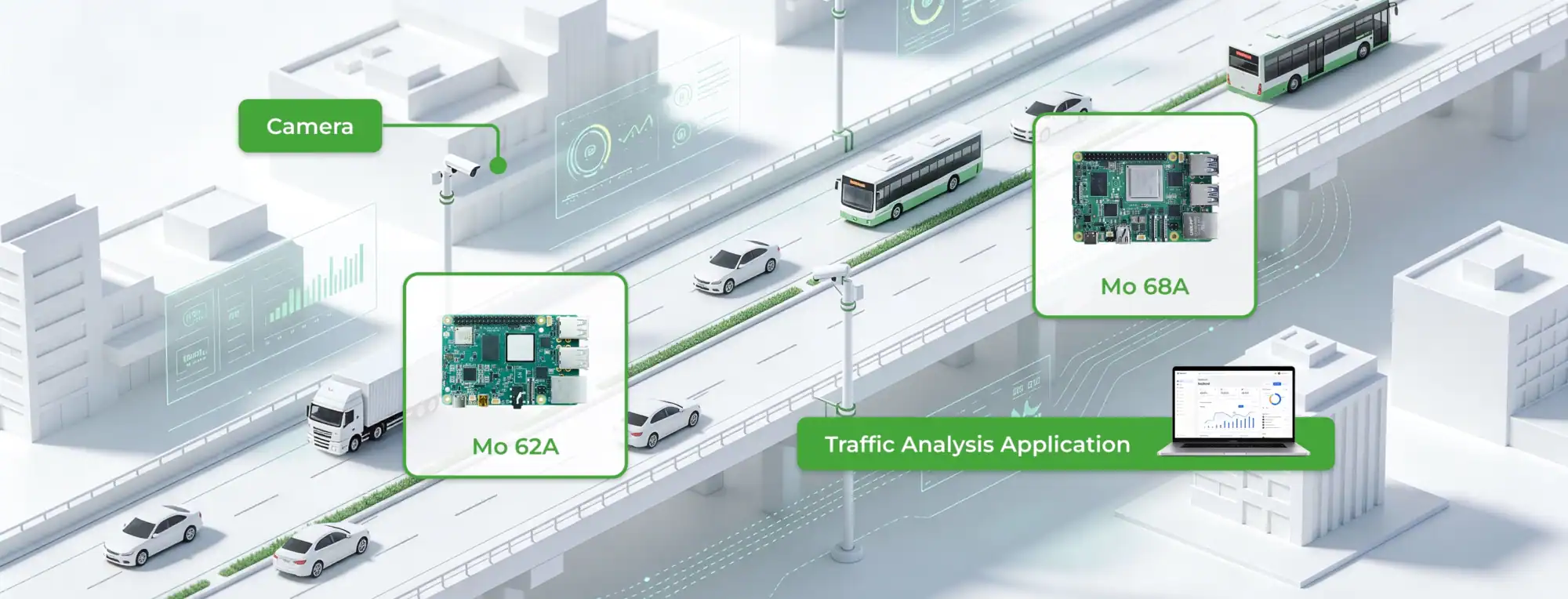
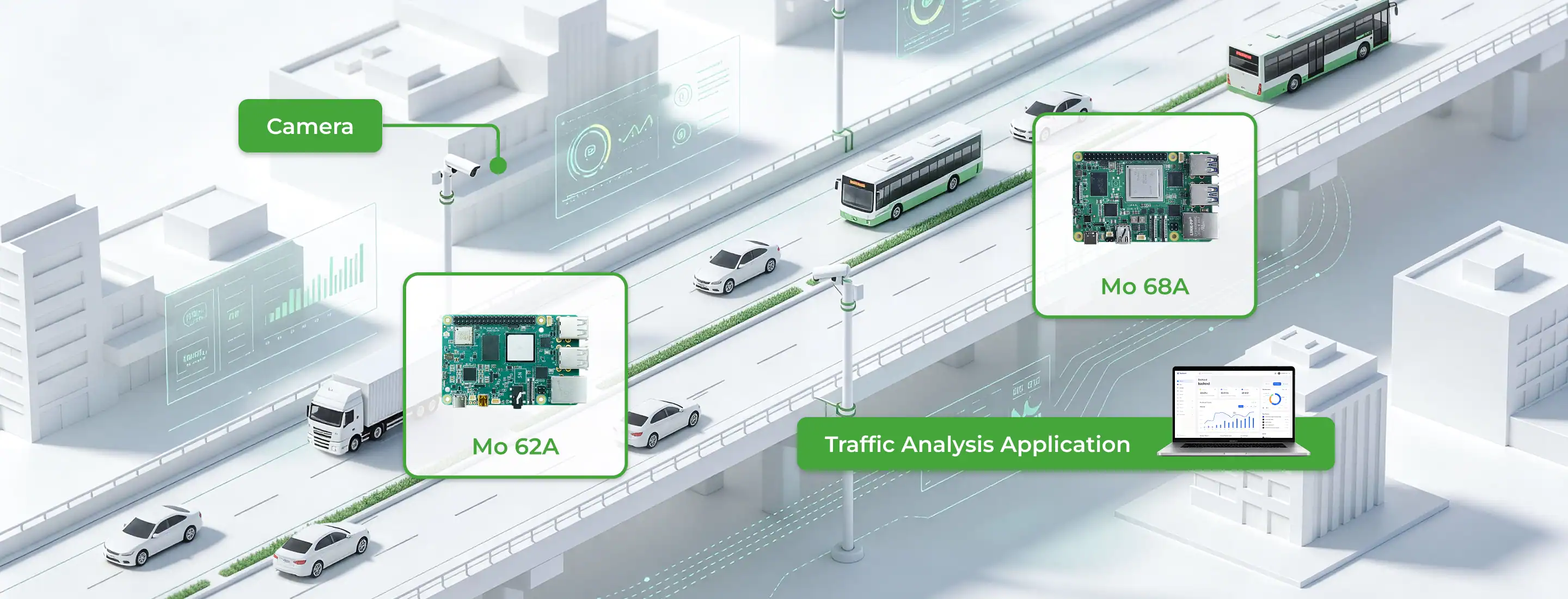
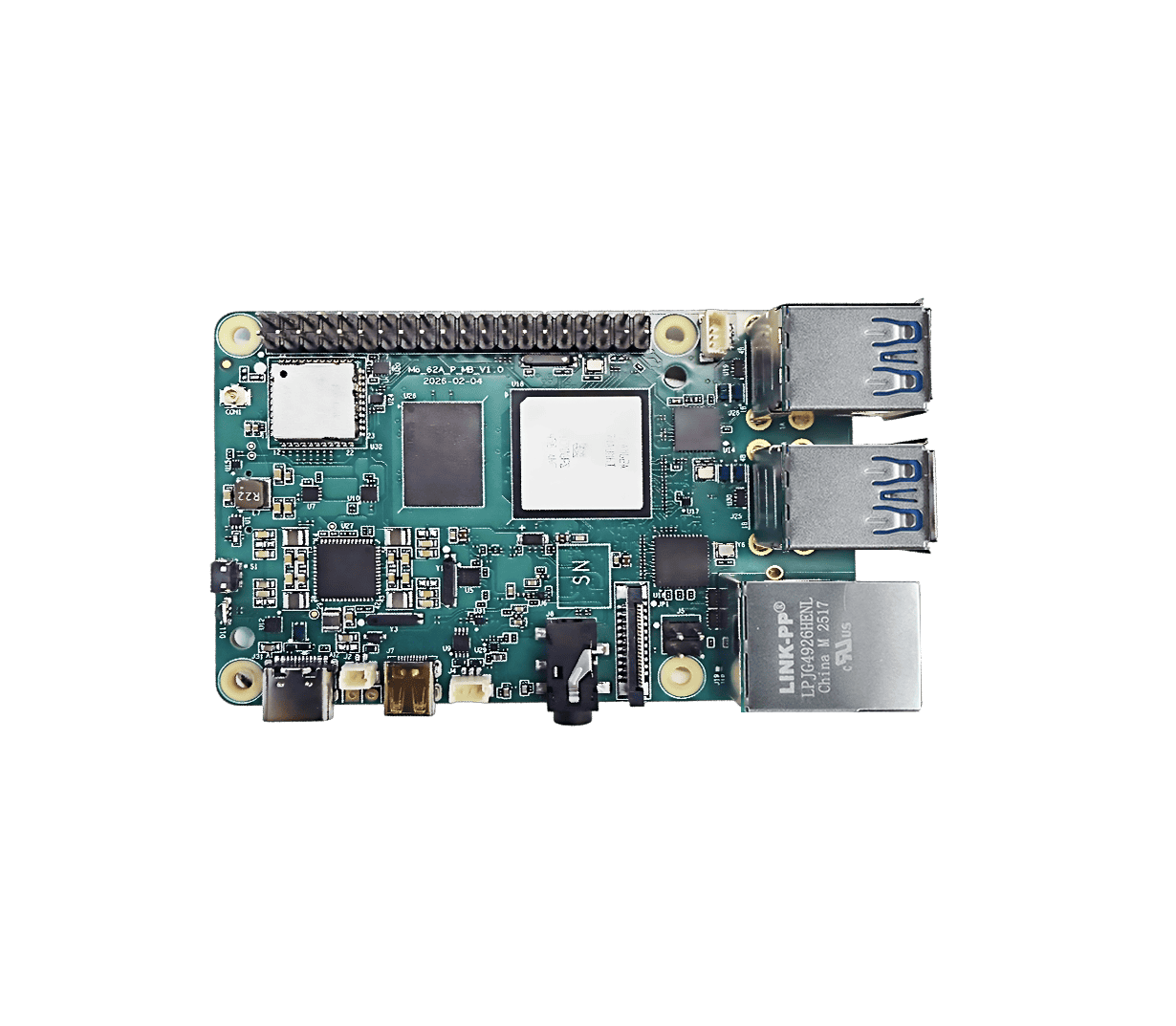
The traffic analysis solution combines roadside cameras, an InHand Mo-series AI single-board computer, network connectivity, and customer-developed analytics software. Mo processes the incoming video locally and runs compatible models for vehicle detection, classification, and counting.
Its Debian-based environment includes TI TIDL, OpenCV, and GStreamer, with support for TFLite and ONNX models. Developers can use the resulting vehicle data to build time-based statistics, dashboards, traffic-status indicators, or integrations with existing management platforms. Model selection and tuning should be based on camera position, lighting, vehicle classes, and the required detection frequency.
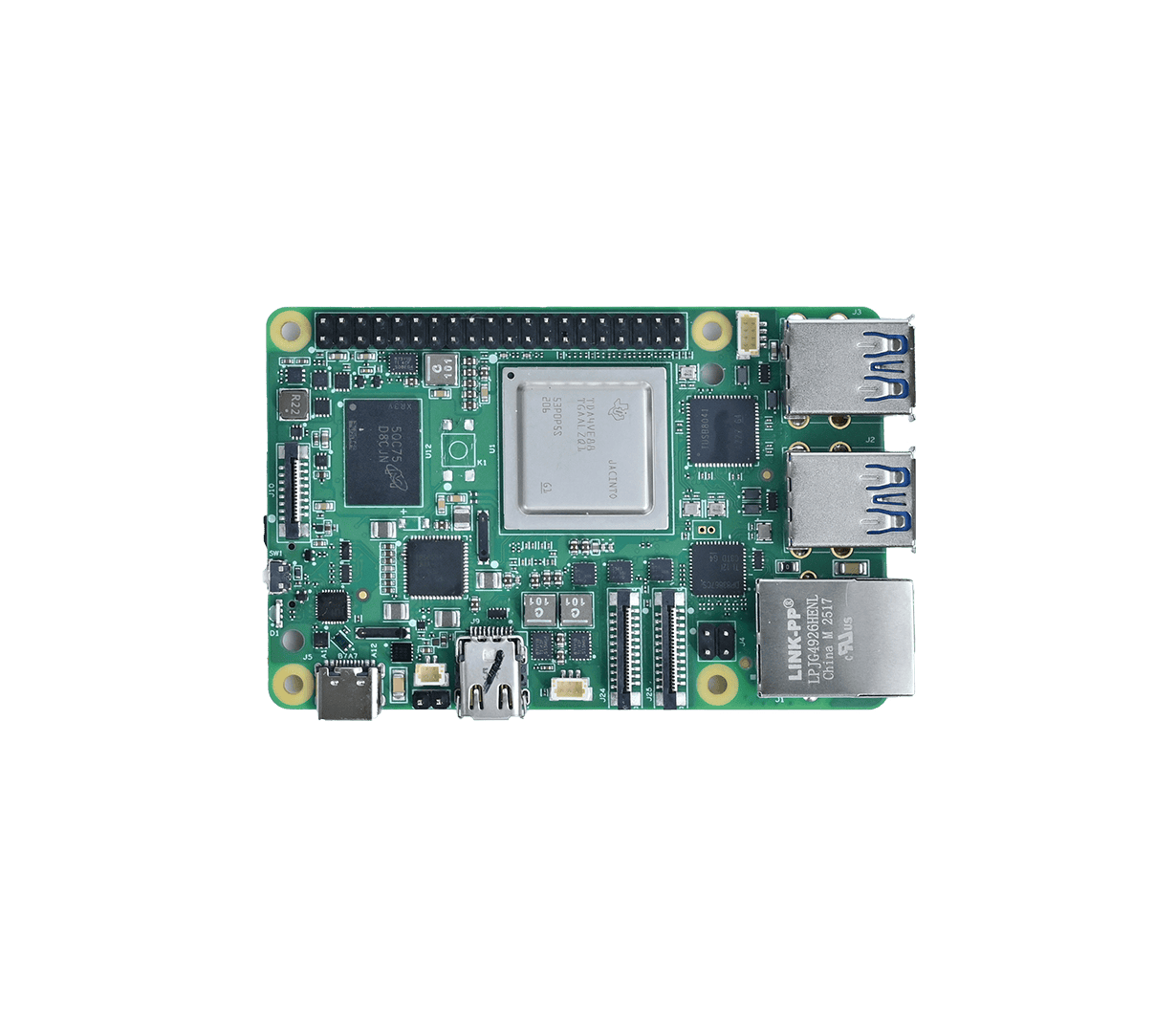
Mo 68A is the preferred option when an application requires additional processing headroom or multiple video inputs. The supported workload depends on the model, resolution, frame rate, and sampling strategy. Mo provides the edge AI foundation; higher-level congestion analysis and traffic optimization are implemented in the customer application.
Benefits
Reduced Video Backhaul
By processing video near the camera, the solution can deliver structured results without continuously sending every video stream to a central analysis server.
Faster Analytics Development
The prepared Linux, vision, and AI environment shortens the path from a traffic model to dashboards, reports, and other customer-developed applications.
Easier Phased Rollout
Compact hardware and common interfaces allow teams to begin with selected locations and integrate additional roadside points as the project develops.


 Ask AI Anything